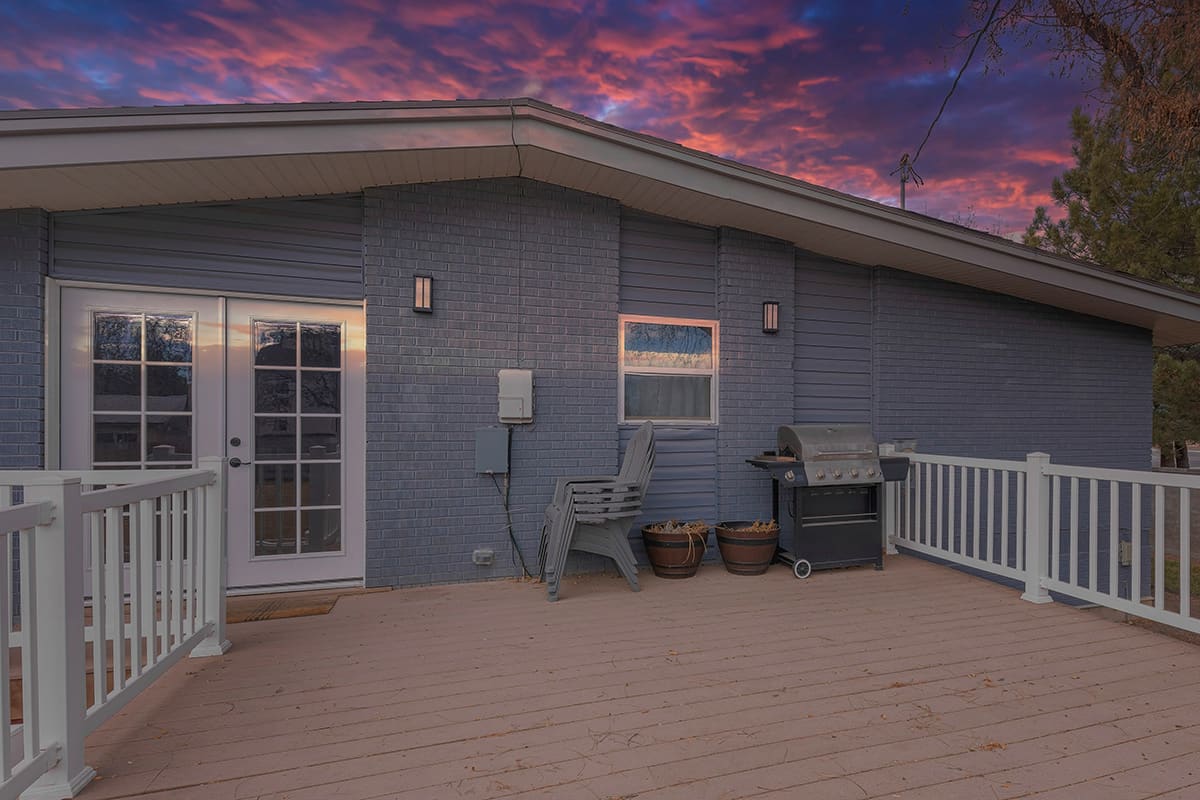
Choosing the most attractive deck colors for a gray house is often a stressful task as there are so many varieties of paint and stain colors.
The good news is that a gray house can be a neutral backdrop to any deck color, but in order to make your exterior look more elegant, you should think about the most impactful deck color.
So would you like to know which deck colors go with a gray house? The following bold and neutral deck colors can easily be coordinated with your gray home’ exterior:
Table of Contents
Deck Color Ideas for a Gray House
Light Gray
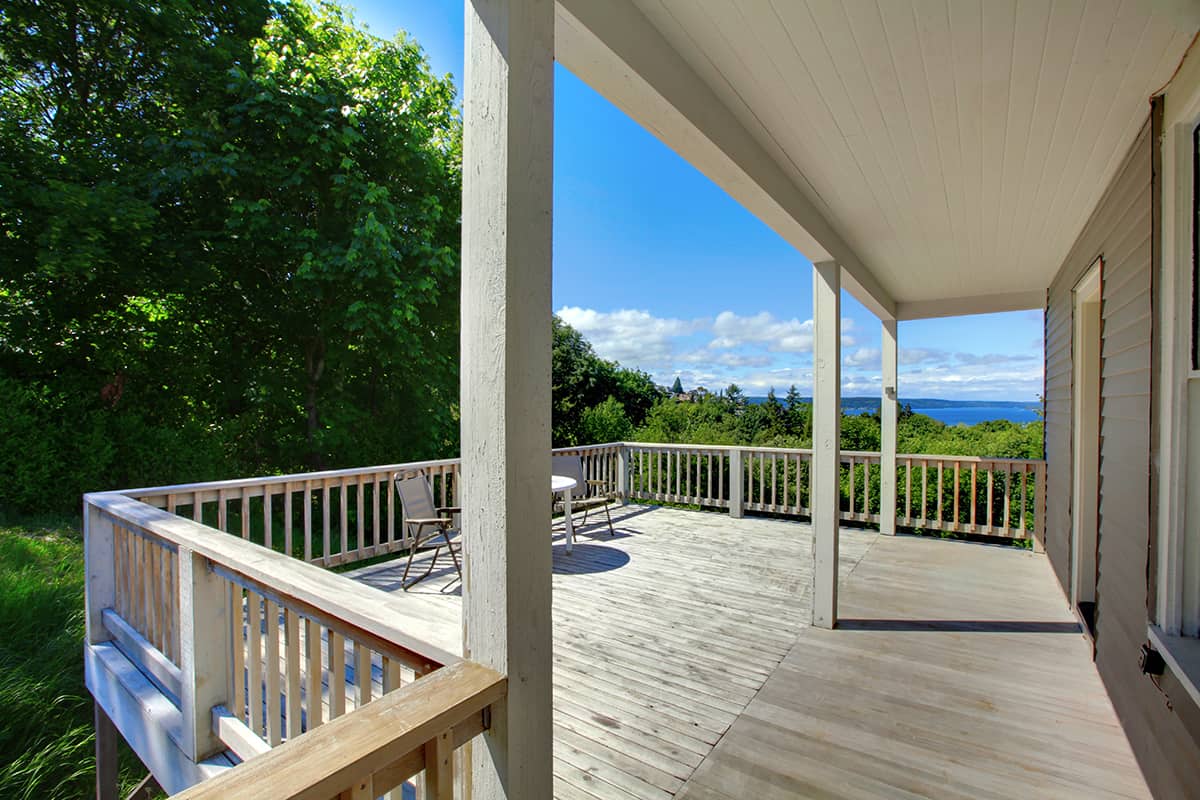
The first deck color option for a gray house is no other than a matching gray! While you may choose the exact same shade for your deck, we recommend you pick a shade lighter than the exterior in order to give your home a uniform look.
To bring out the undertones of your dark gray house, a light shade of gray for the deck works as a unique combination. This is because the light gray deck stands out as contrast next to the dark gray exterior as you can see in this example. The wooden deck’s undertone is off-white and several shades lighter than the exterior wall color, which makes an attractive and modern pairing.
But what stands out most in this photo is the use of two-toned grays with an off-white and light gray blend to create a visually interesting look. For the railing, opt for white or a matching light gray for a cohesive color scheme.
Dark Gray
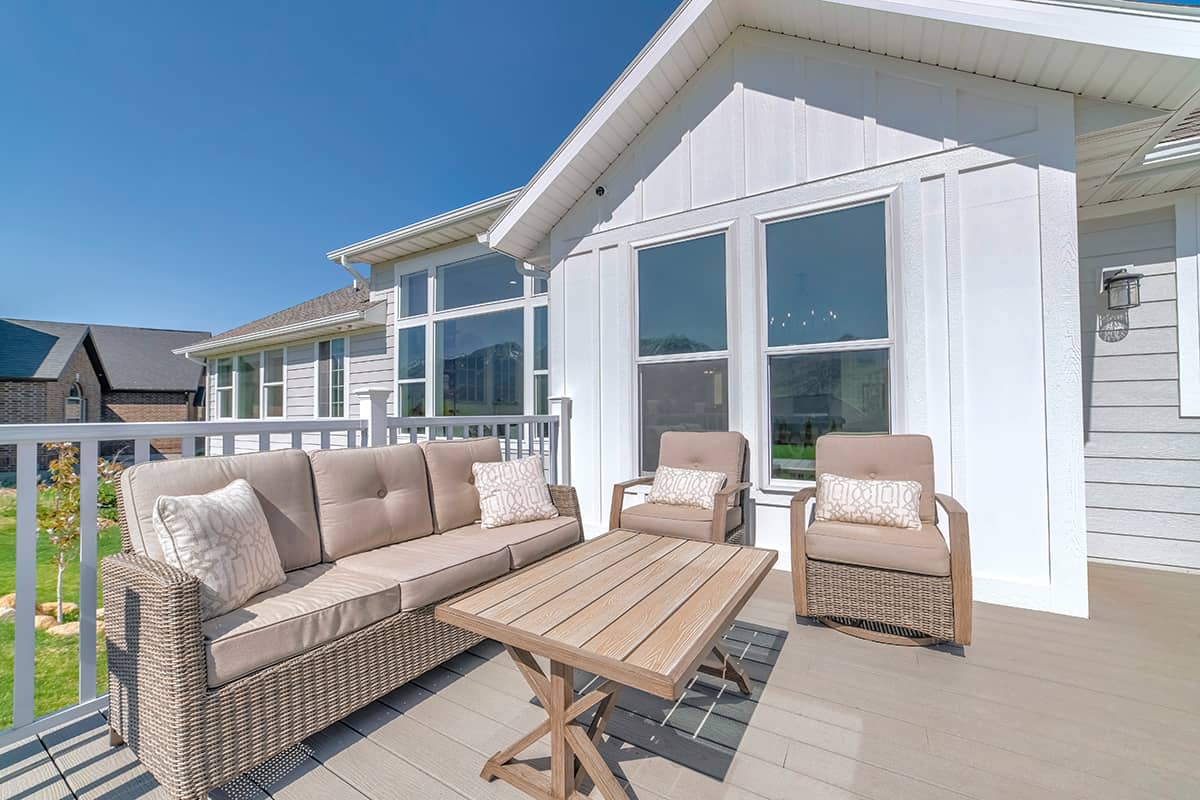
Another matching deck color for your gray exterior walls is a dark shade of gray. Unlike our previous idea, it’s best to pair your dark gray deck with a lighter gray exterior. This contrast will add a chic and sophisticated look that works beautifully in contemporary and mid-century modern homes.
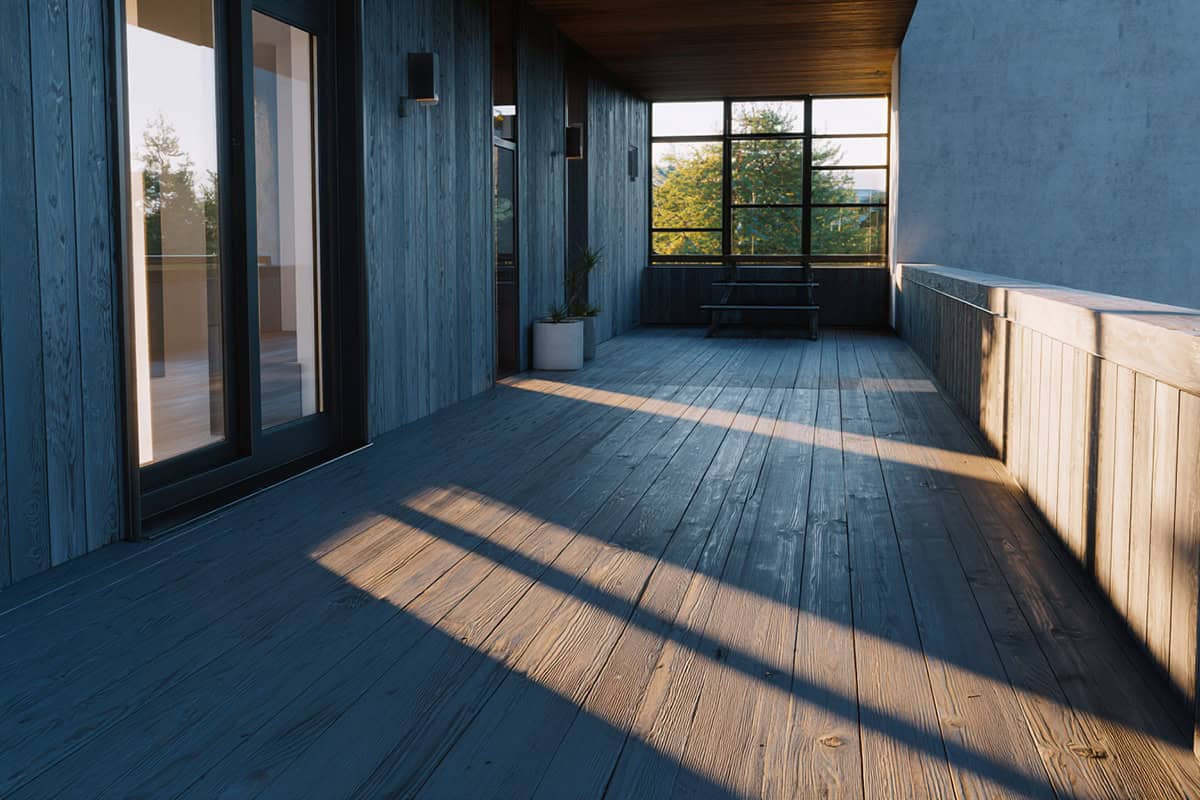
One big advantage of choosing a dark gray deck color is that dirt and footprints are easily hidden, so if your deck receives high foot traffic, dark gray is highly recommended. And aside from being compatible with light gray exterior walls, this tone also goes with charcoal gray outdoor furniture.
Here, the light gray walls are paired with a darker gray deck flooring, which has a light brown undertone. The woven brown outdoor furniture is well-coordinated with the rest of the color scheme and the white railings.
Brown
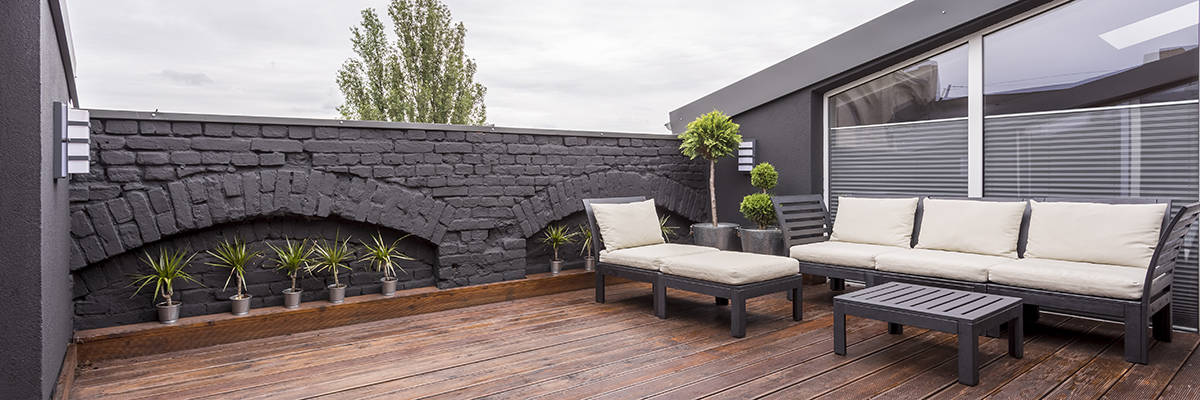
If you love the look of natural wood, then it makes sense to paint your wooden deck a rich shade of brown. Such a bold, rich color brings an airy and elegant feel to a gray house so your outdoor space can achieve an urban vibe with this earthy deck stain hue.
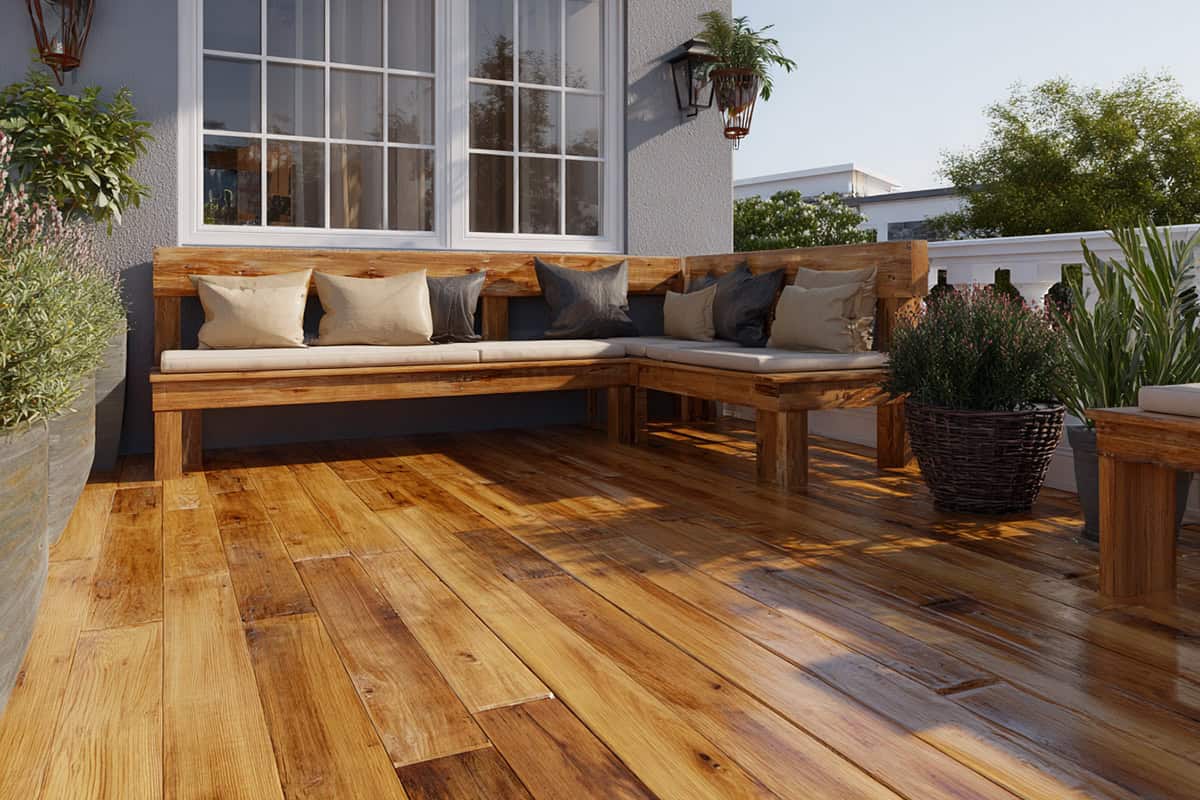
But it’s not just the compatibility between the gray and brown that is so appealing; we love the way the entire color scheme comes together to blend with the natural surroundings.
What we adore about this design example is the visual interest created with the dark gray exterior and the brown tone of the wooden deck. The combination of cool and warm color scheme brings an inviting and cozy feel to this outdoor space, which is further enhanced with the cream colored furniture.
Red
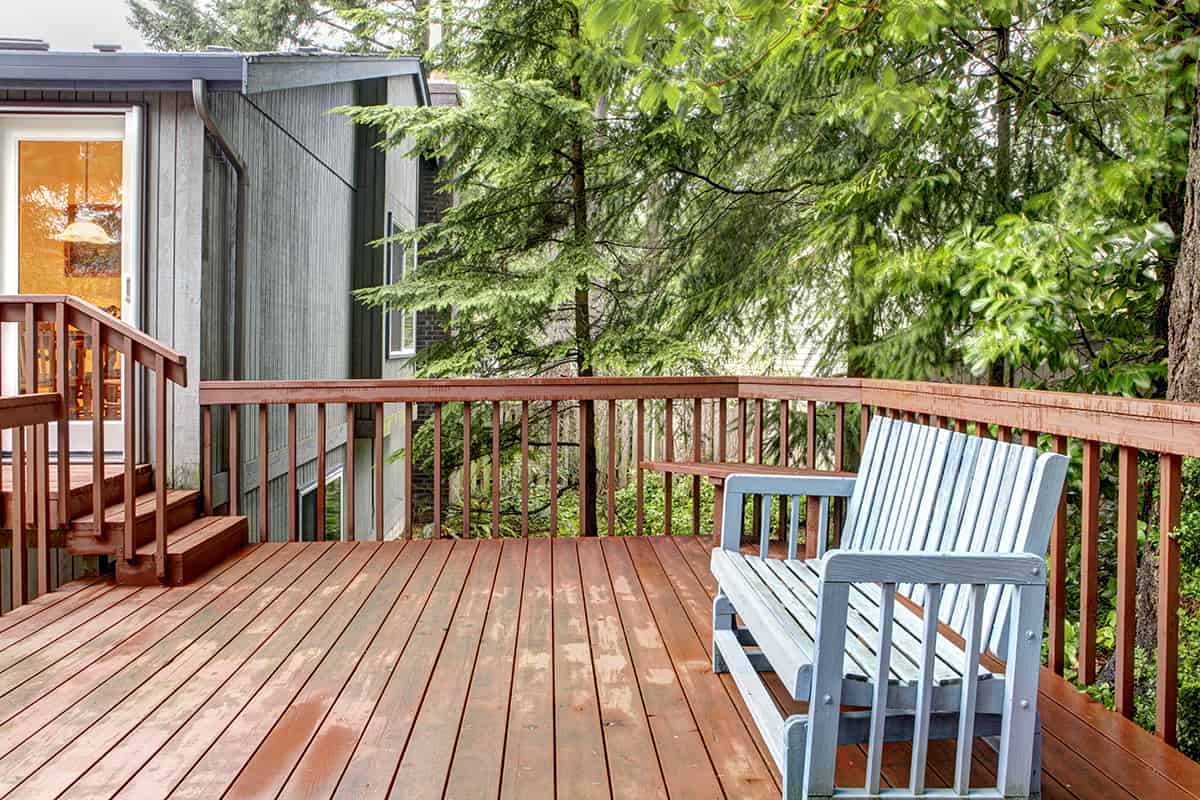
If you want to go for a daring deck color to show off your flamboyant personality, then paint your gray home’s deck a fiery shade of red. This color oozes spirit and energy, plus it never goes out of style.
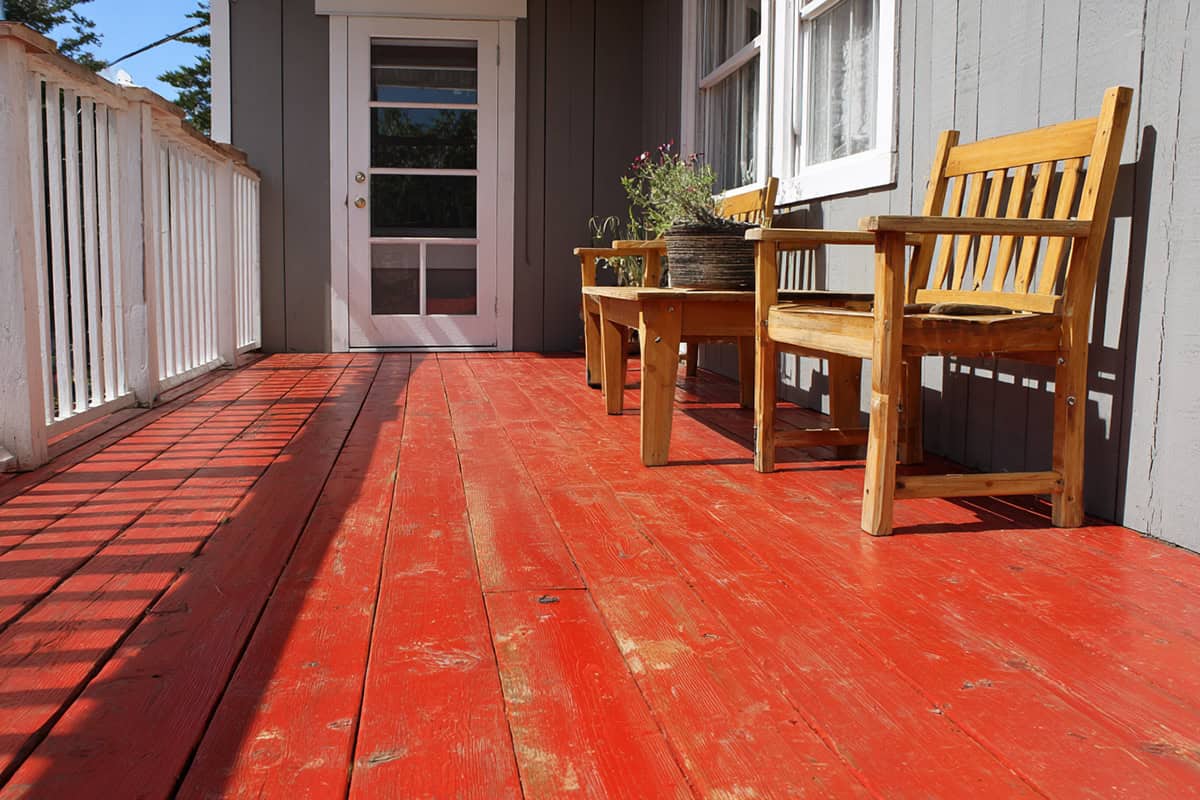
Maple red or cherrywood are ideal for vintage or traditional style homes as they both have red undertones. Another positive about red stain is that it makes your outdoor space stand out.
Just like you can see here, a blend of blue outdoor furniture with an all-red deck and railing look cozy and inviting with the gray background. So don’t you think it’s now time to pick a bold red stain and give your old patio deck a fresh coat of paint!
Honey Oak
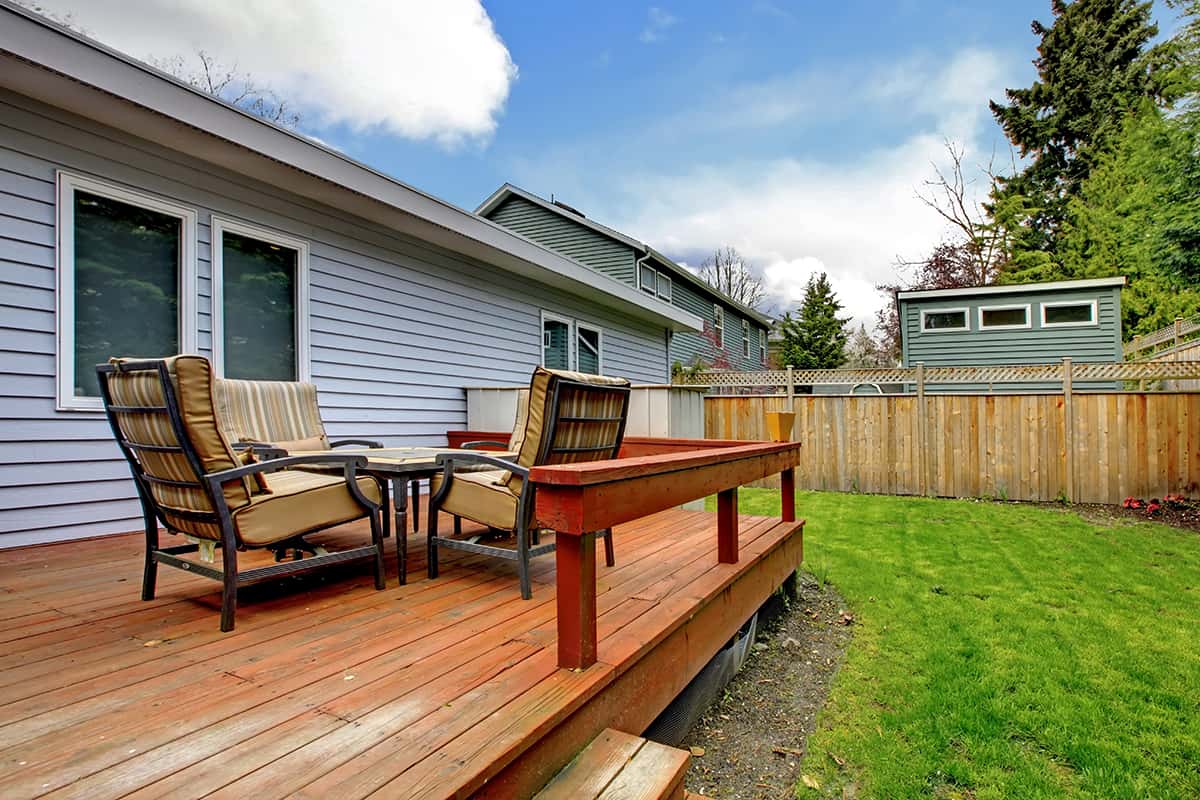
Honey oak stain is a stunning finish for light to medium gray exteriors thanks to its golden, orange tone. This option is fast becoming popular for modern houses because of its bold undertones.
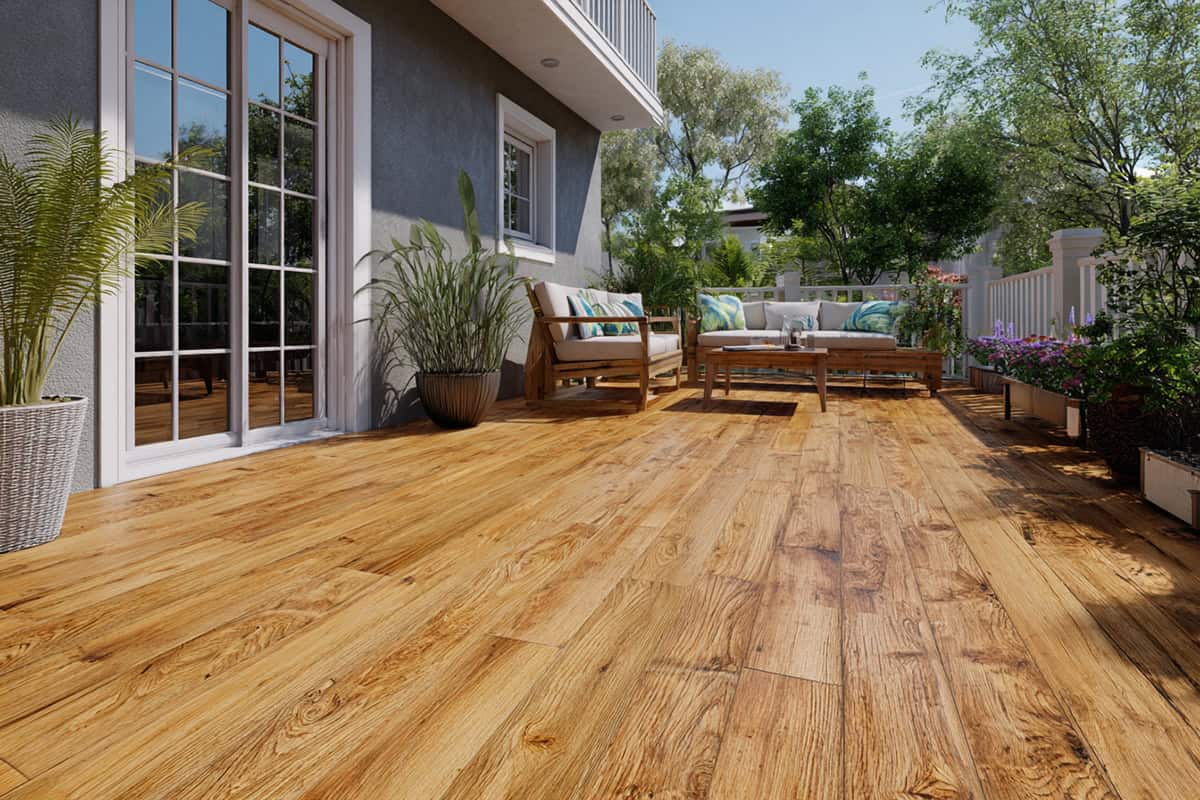
We also like honey oak with grayish-blue exterior walls as it brings out the warmth and boldness of the house. For those who want to brighten up their exterior home, honey oak is an excellent pick.
This is the best color to highlight the gray exterior of your home, and you can incorporate any outdoor furniture color into this combination.
Dark Blue
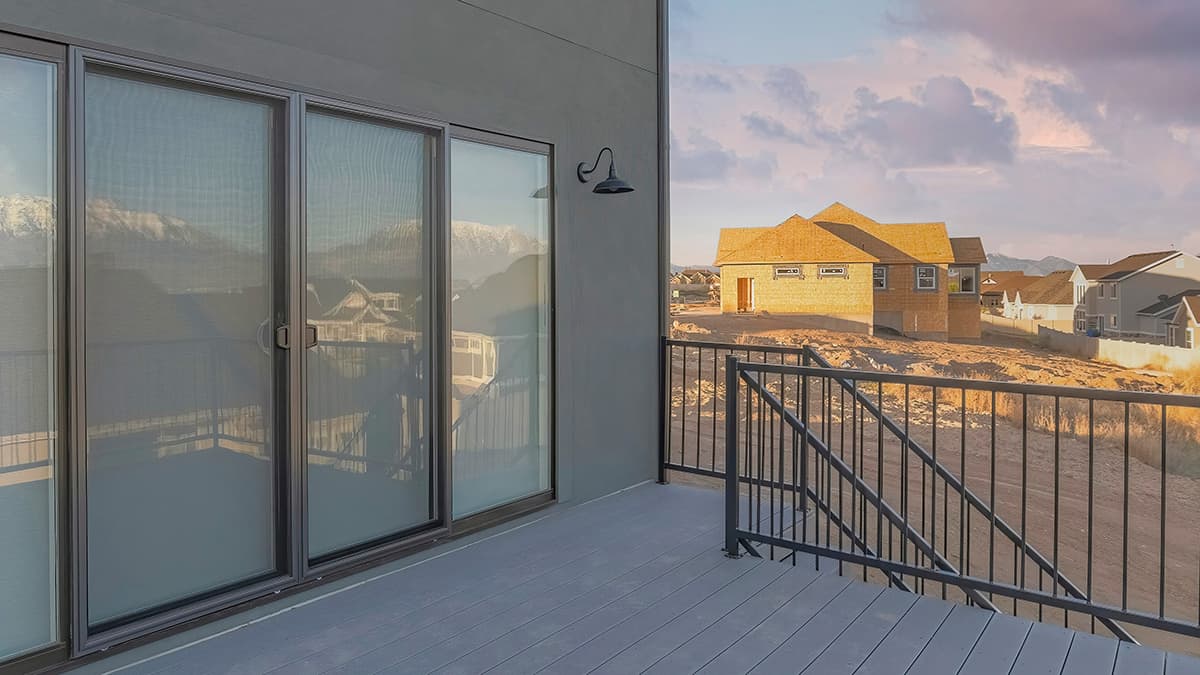
Blue stain for deck is becoming popular now as it goes wonderfully with a greyish-blue exterior. This is a perfect blend as both colors are on the cool side, thus bringing a natural look to your home.
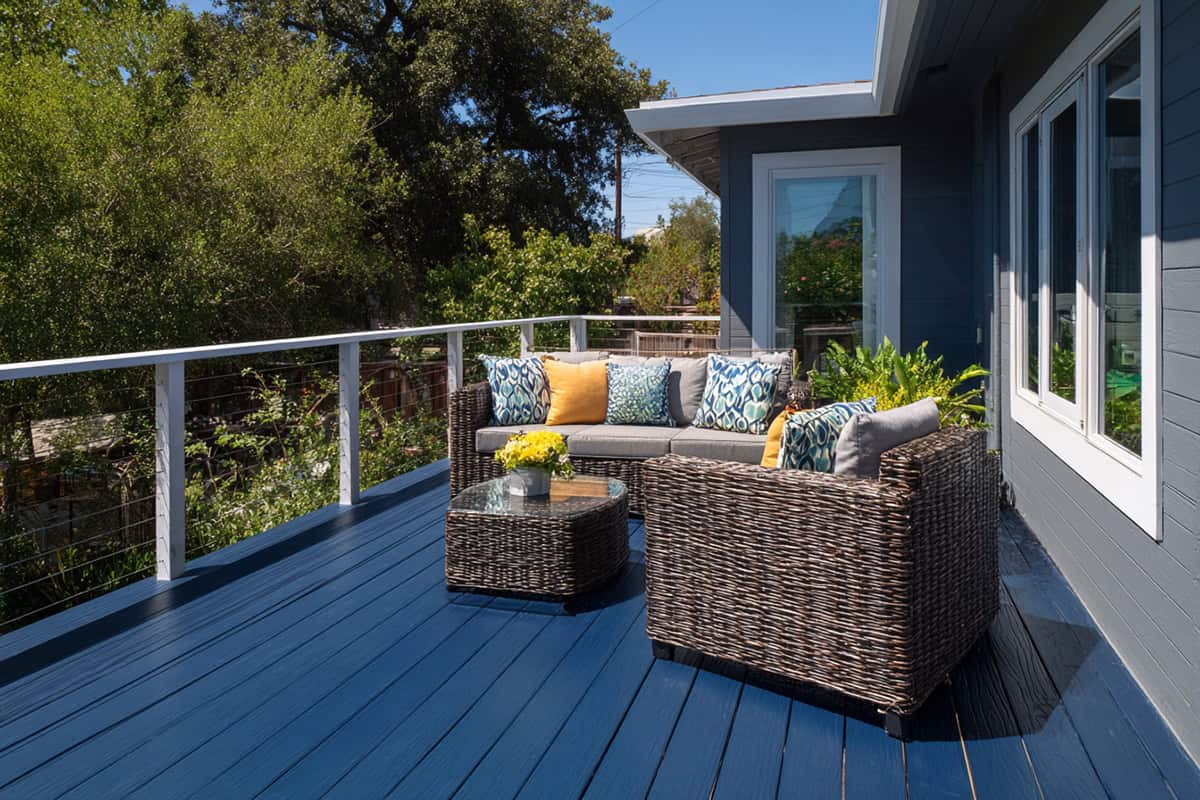
On a dark gray home, for example, dark blue deck stain brings out the undertones of your home as an exciting color scheme. This tasteful and solid color option for the deck gives a nautical feel to the gray house. What’s more, dark blue is an excellent choice for hiding foot marks and dirt stains.
White
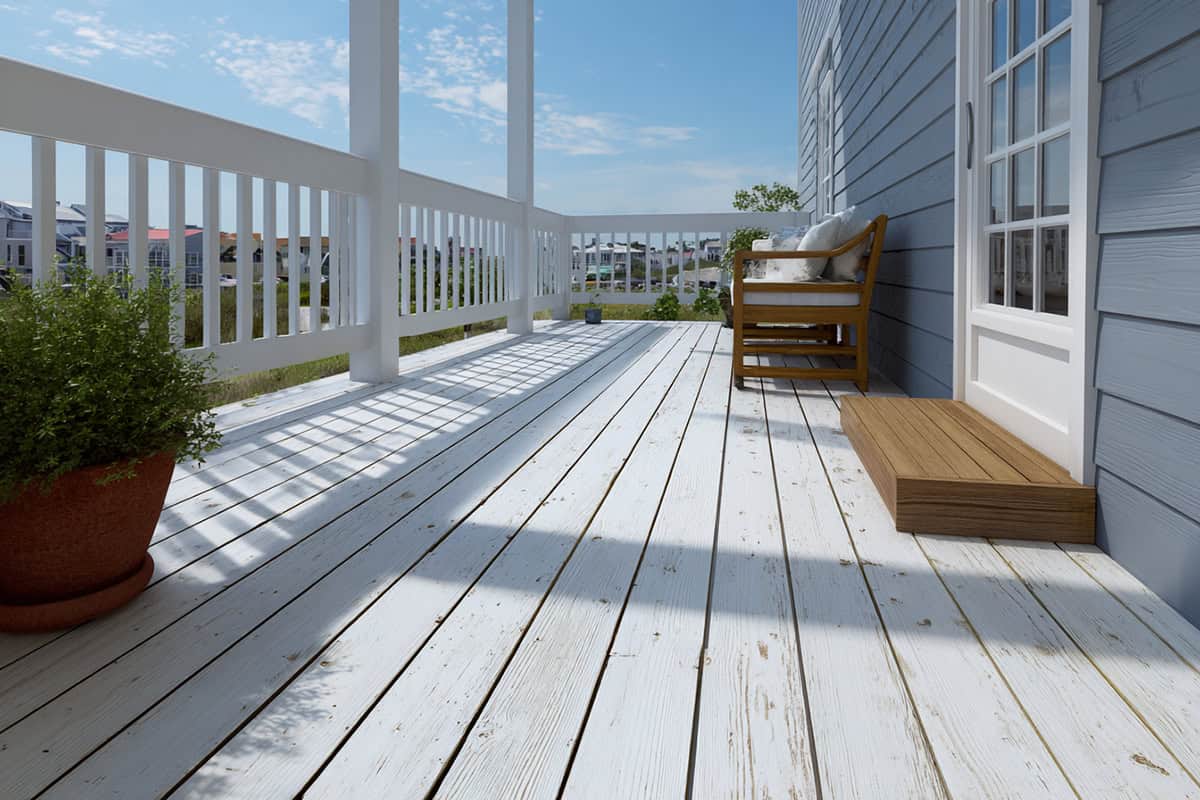
A white deck works with any exterior wall color, especially with light or dark gray. This bright, crisp paint finish brings a pop of freshness to your outdoor sitting area and is one of the most preferred colors for any home design.
Whether your home is traditional like a Craftsman style, or modern like mid-century, a white deck adds a uniquely fresh vibe to your outdoor space. For a vintage look, choose natural wood with grains to highlight the authenticity of the deck material.
For modern homes, composite deck in white will be the perfect choice as it requires least maintenance and is a cheaper option than natural wood.
Black
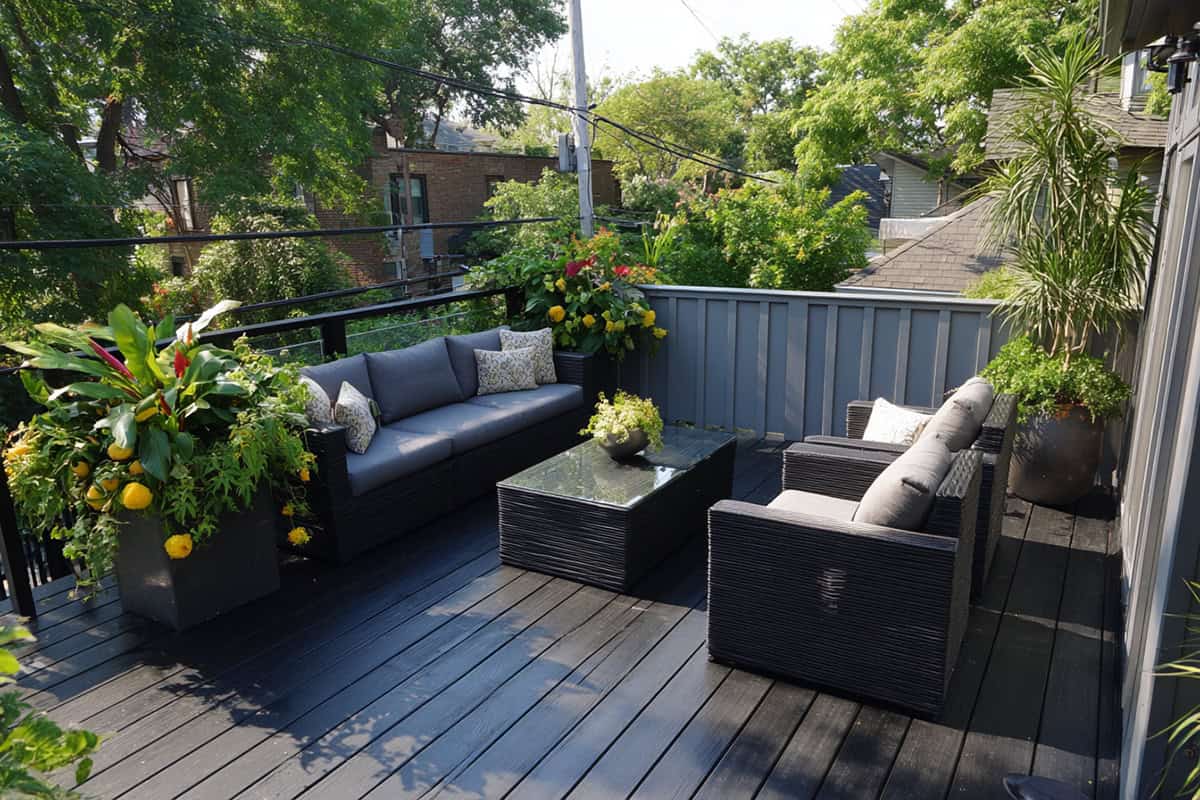
Black deck stain can be a bold move to pair with your gray exterior walls. But on sunny days, you’ll save your eyes from the glaring brightness of your deck color. Moreover, black doesn’t allow dust to show on the floor so you won’t have to constantly clean your wooden deck flooring.
Black is highly suitable for high foot traffic areas, so if your exterior walls are a light gray color, this deck stain will complement the neutral color scheme.
Just remember to match your furnishings with the light gray walls and the deck railings as an all-black design would appear too dark and make your outdoor space look smaller.
Greige
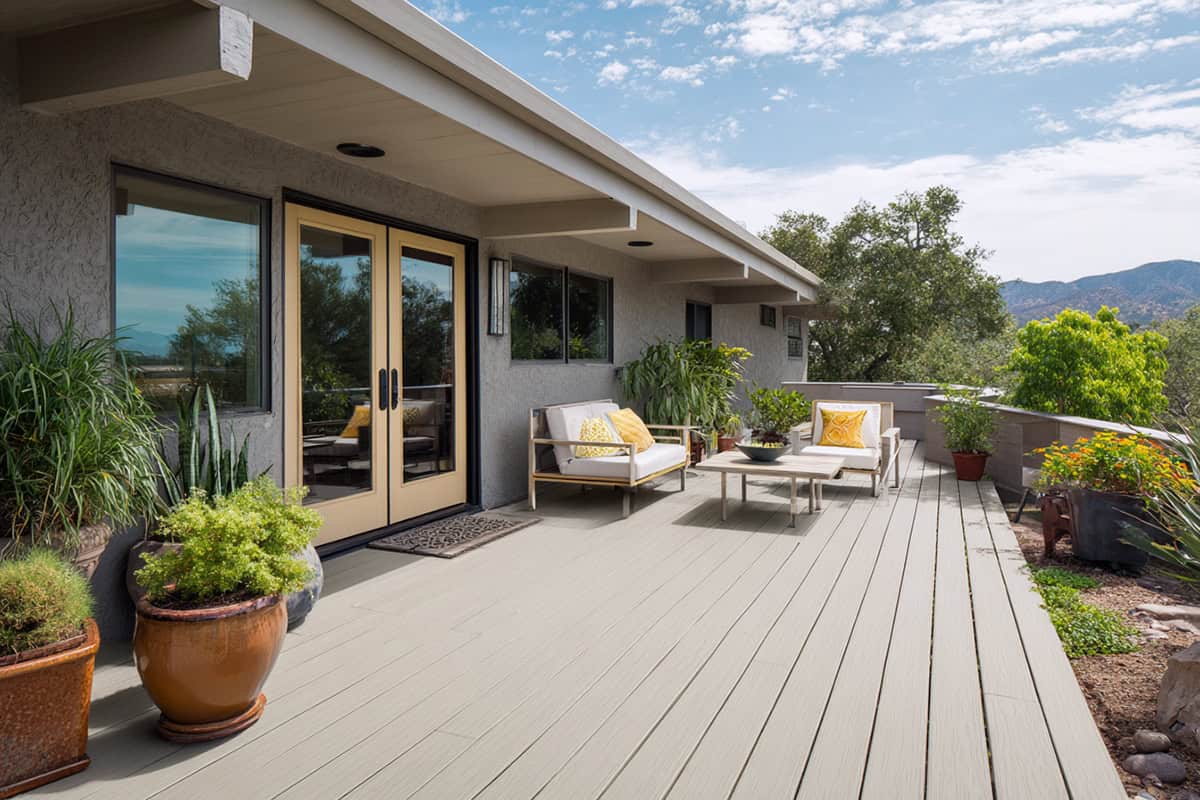
Want a lighter color for a unique look? Then consider greige deck stain as this versatile and soothing hue suits any exterior wall color.
Greige is the perfect balance between cool and warm tones as it’s a mixture of light gray and beige that bring out such a beautiful combination. So if you can’t decide between beige or gray, consider greige as a nicer option that brings some brightness to your gray home.
Cherry Maple
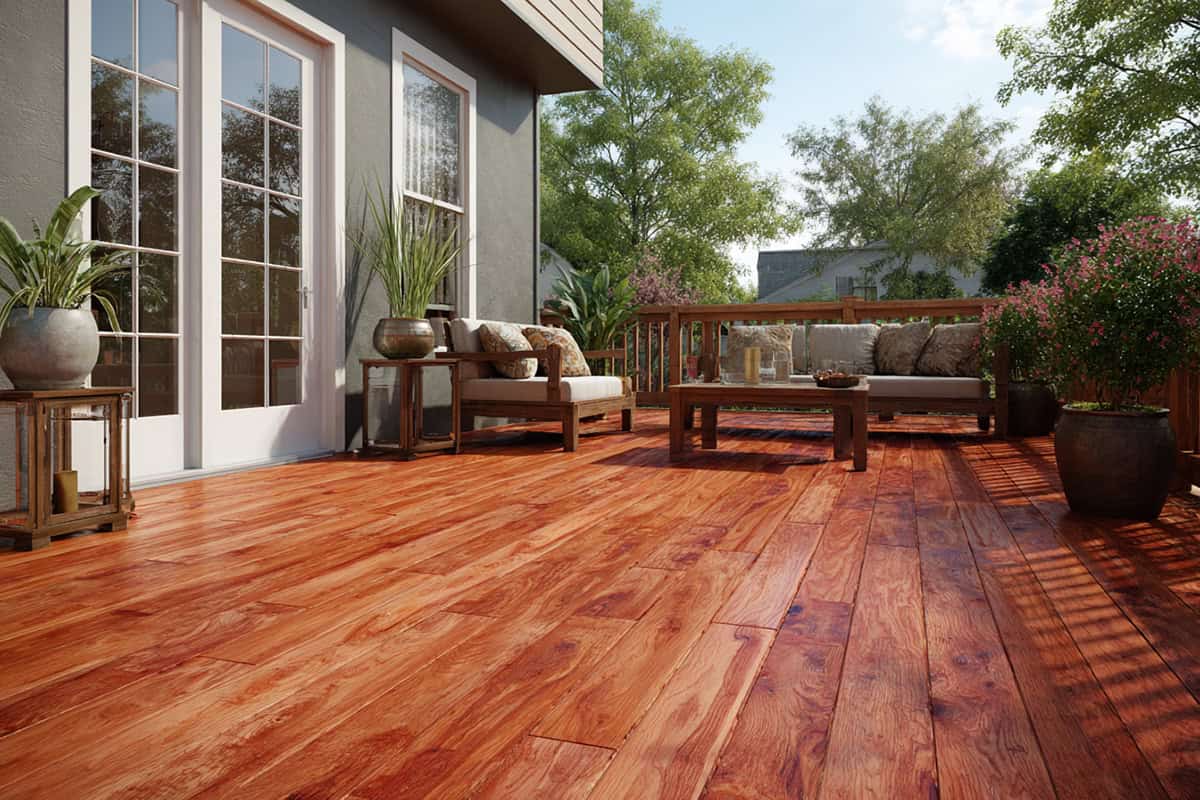
Cherry maple deck color consists of a smooth texture and simple grain with a hint of warmth. This option is ideal for pairing with a cool toned gray exterior.
Although cherry maple is classed as red, it does have a blue undertone, hence the reason it goes well with a gray exterior. If you have a traditional style home, and you wish to highlight your natural wooden deck, then consider cherry maple stain as a warm and welcoming paint color.
Sage Green
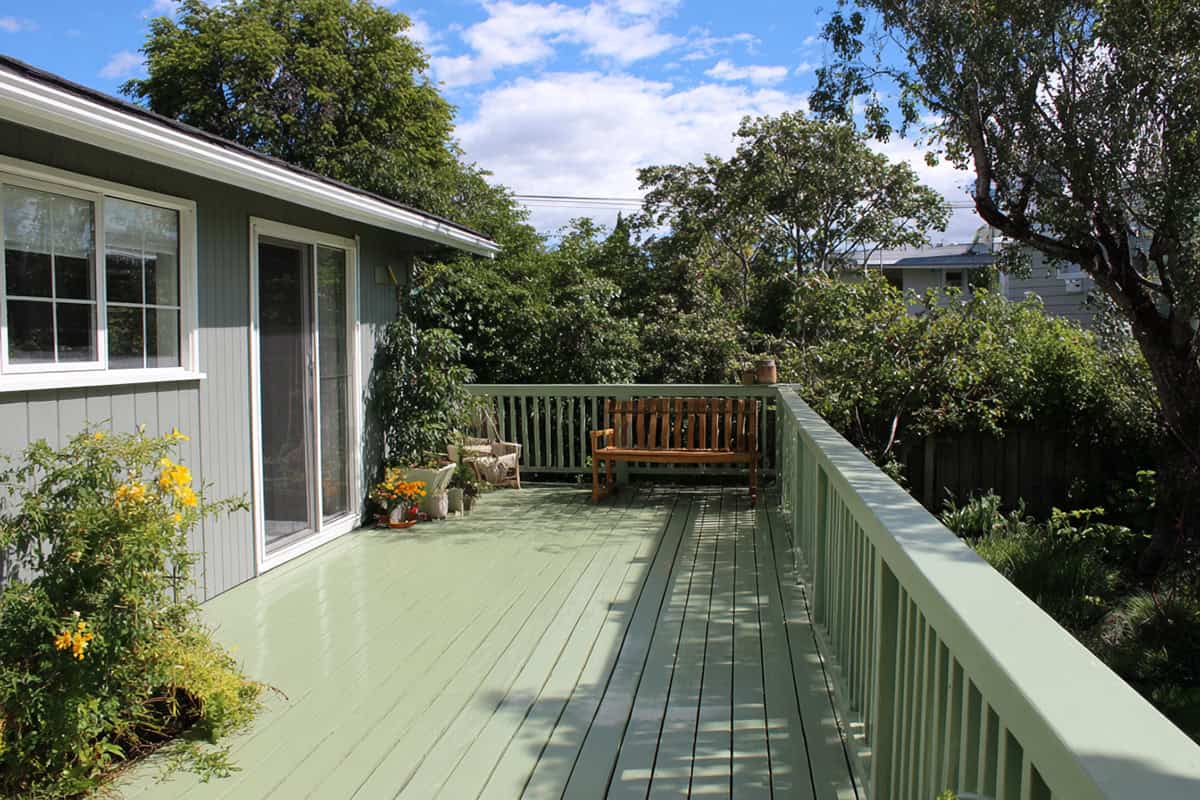
Muted green on the deck reads as understated and never shouts over gray siding. Light or mid-tone gray homes with crisp white trim seem to love this look the most.
Sage feels soft and a bit earthy, blending into lawns and nearby trees. It’s just right if you’re after a laid-back vibe—think cottage or craftsman, not showy.
Go for a satin or matte finish; high gloss tends to glare and makes the color pop a little too much in the sun.
Cool blue-gray siding? Stick with sage that’s got a gray undertone. If your gray runs warmer, a hint of olive in the green works better.
Walnut
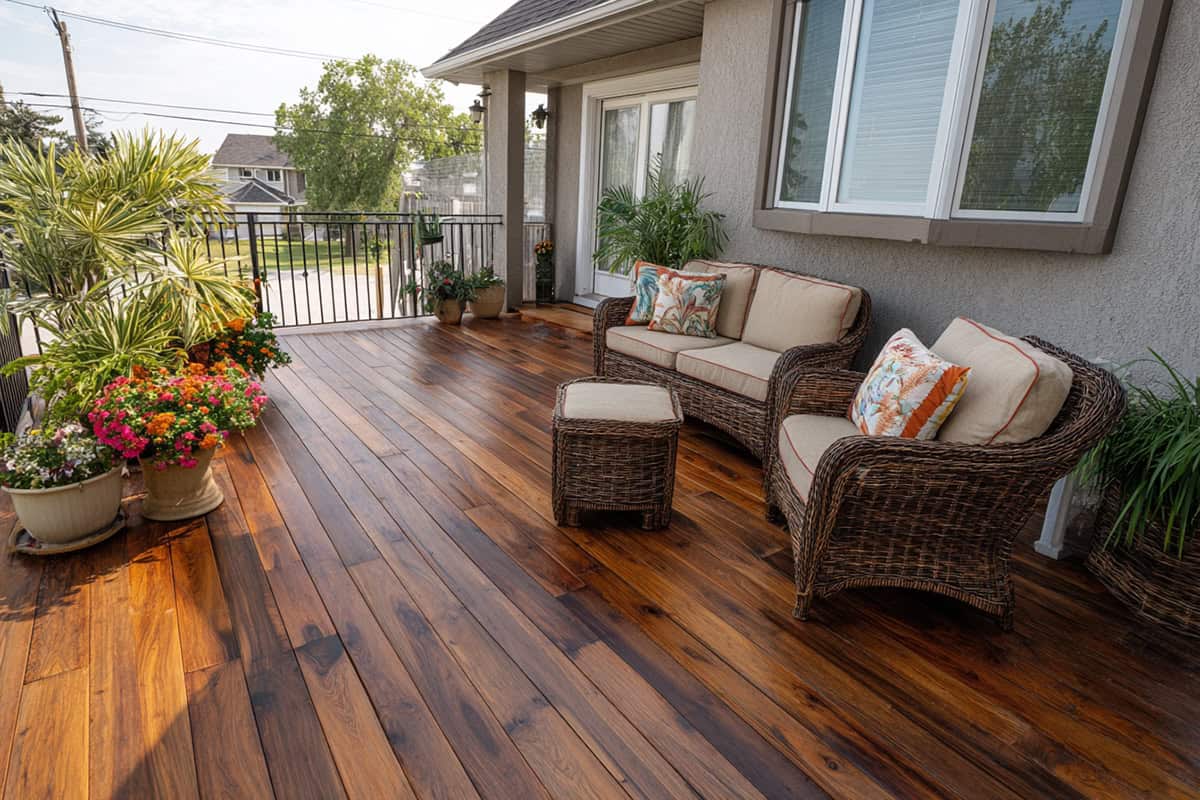
Rich walnut stain brings a cozy depth that cuts through the coolness of gray siding. It really sets the deck apart from the house.
On bigger decks, this darker wood tone grounds the space. It’s also forgiving—dirt and scuffs blend in more than they would on paler boards.
Dark railings (black or bronze) keep things unified, while white ones crank up the contrast and frame the deck.
Semi-transparent stain lets wood grain peek through; solid stain gives you a bolder, more even color.
Taupe
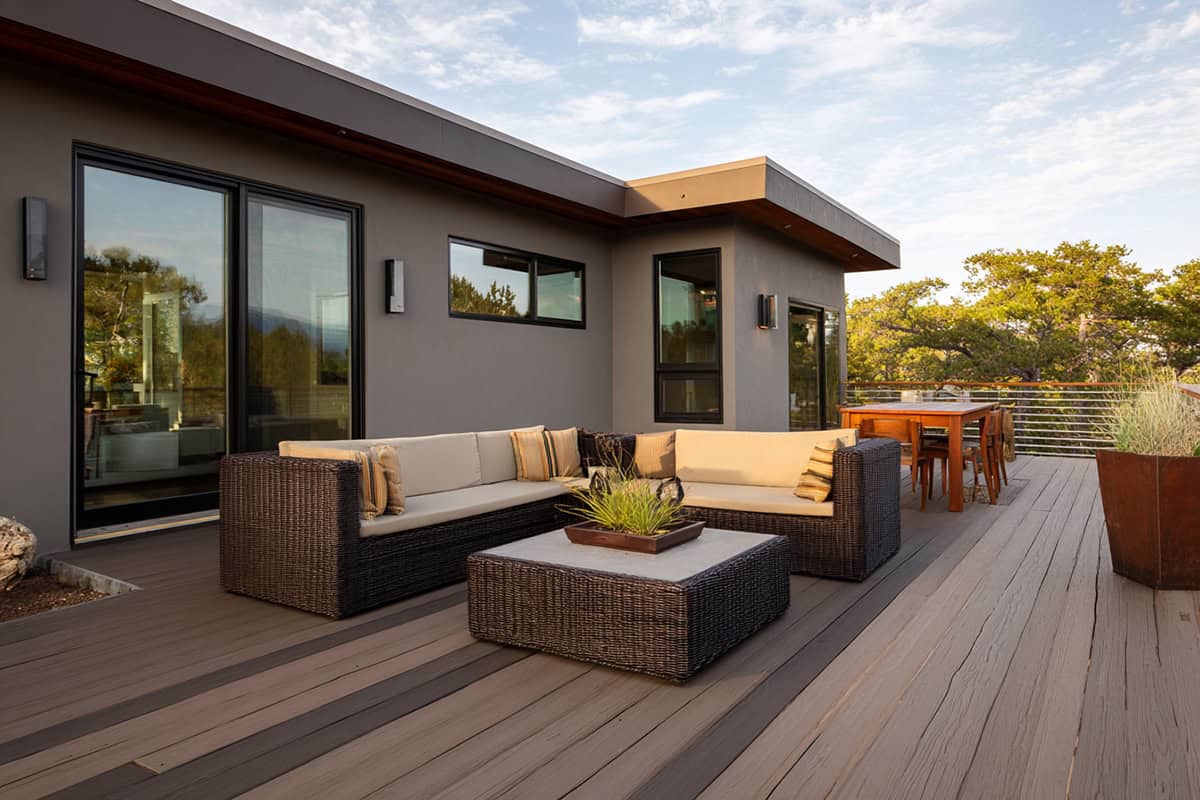
Taupe lives in that comfortable spot between gray and brown, which makes it a pretty safe bet. It doesn’t clash and manages to pull together different materials.
Stone, brick, or concrete nearby? Taupe acts as a bridge, echoing those natural hardscape tones.
Pay attention to undertones—greige siding wants a cooler taupe, while beige-gray needs something warmer.
It works for both modern and more classic houses, keeping things low-key and balanced.
Slate Blue
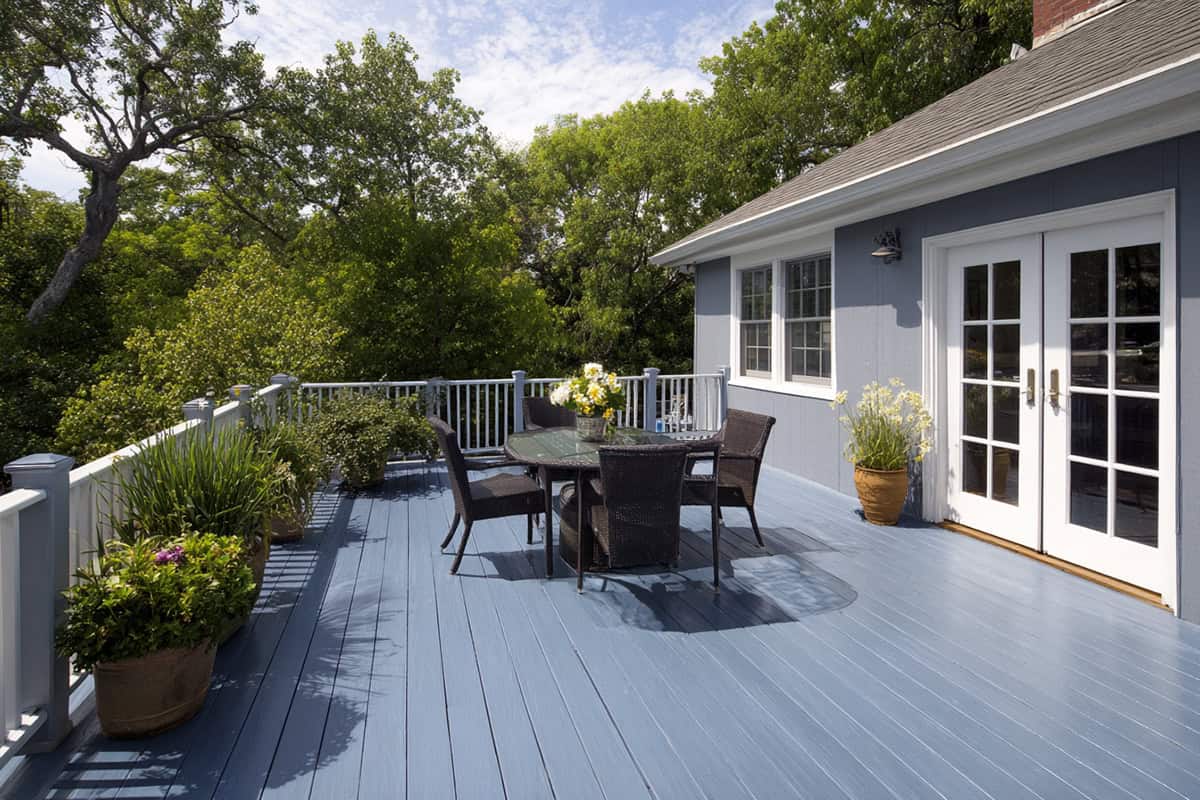
Slate blue brings contrast, but not in a loud way. It’s especially sharp with medium or dark gray siding and a splash of white or charcoal trim.
This shade leans coastal or contemporary, depending on how you style it. It’s noticeable but not flashy.
Stick with a dusty, gray-based blue for stability—it pairs nicely with metal railings and neutral outdoor pieces.
Always check your color in daylight. Sunlight can wash out blue faster than you’d think.
Sand
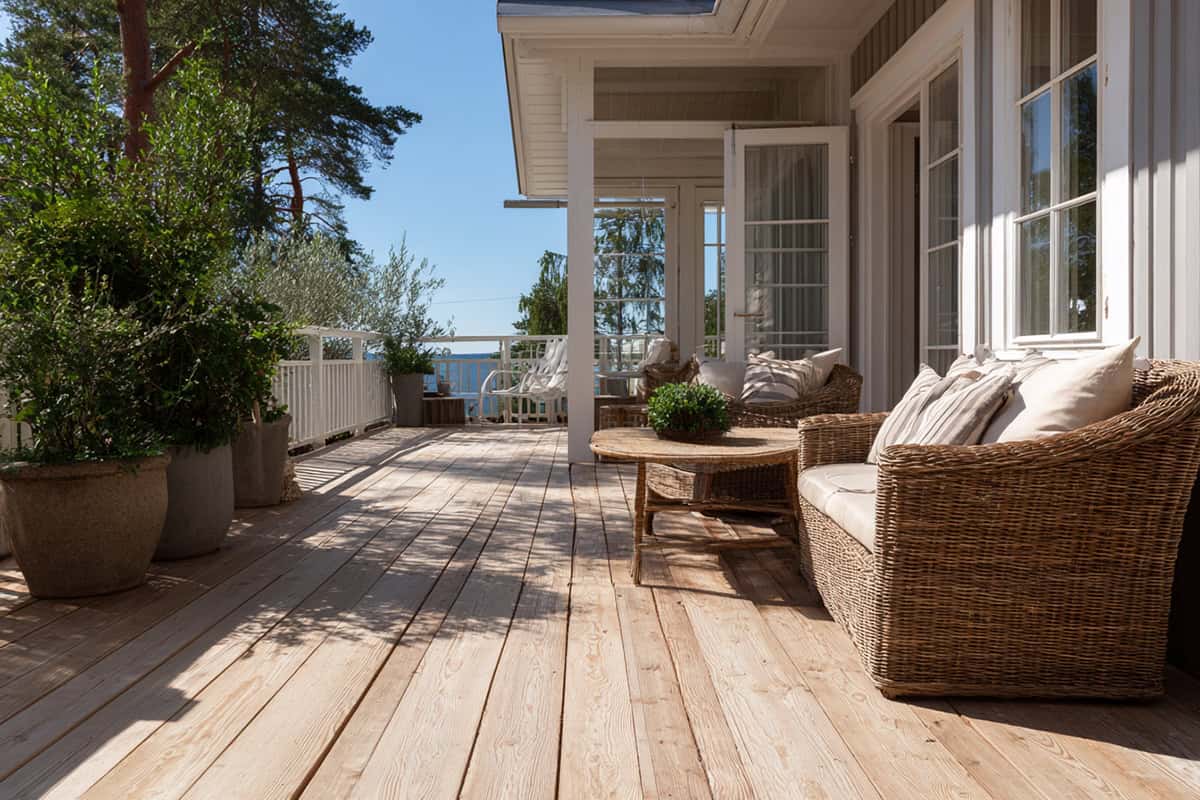
Sand tones have a way of brightening up a gray exterior, especially when the siding’s on the darker side and needs a lift.
The light, warm surface bounces sunlight around, making the deck feel open and airy. Natural wood accents and woven furniture fit right in.
Steer clear of anything too yellow—beige or soft tan undertones strike a better balance.
Just a heads up: lighter decks show dirt and scuffs. You’ll want to stay on top of cleaning if you go this route.
Mahogany
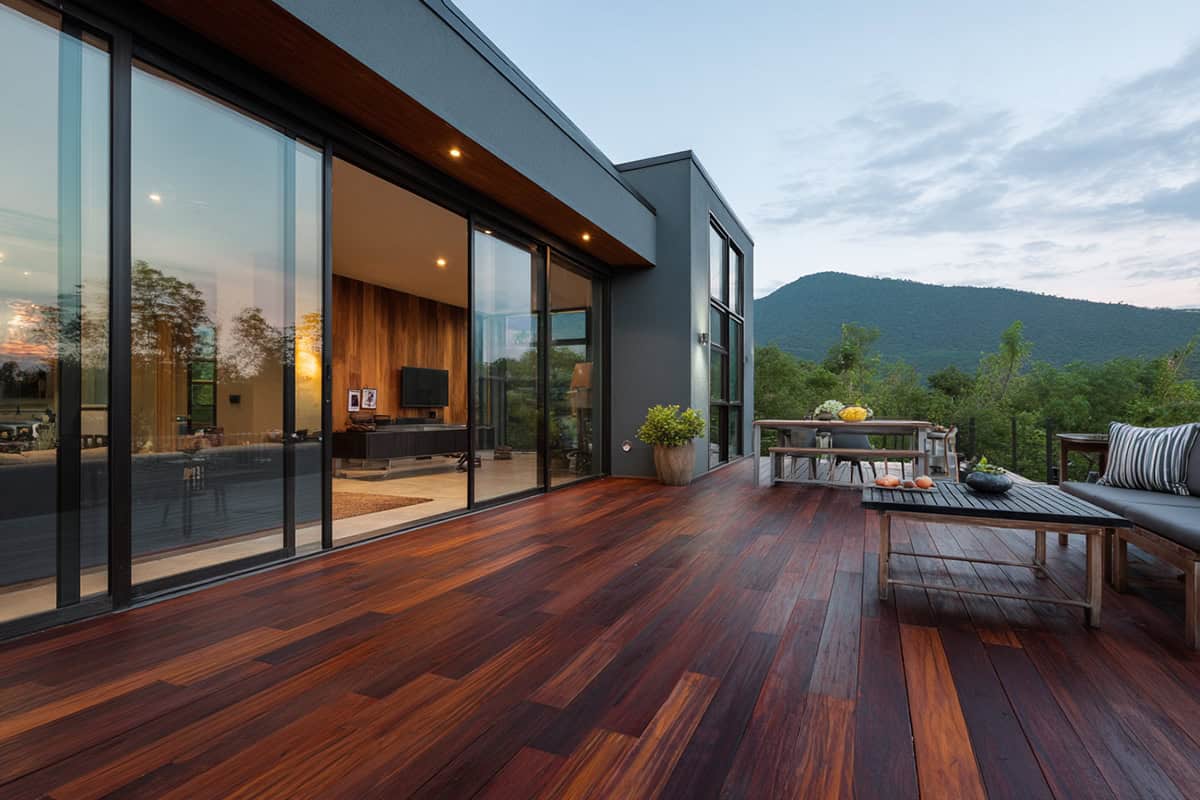
Mahogany’s rich red-brown brings a sense of depth and tradition. It’s a classic move for gray siding that could use a touch of warmth.
Compared to walnut, it stands out more, but it never feels over the top. Neutral or slightly warm siding pairs best here.
Dark railings deepen the look, while white trim keeps things tidy and structured.
Pick a stain with UV protection if you want to keep those red notes—otherwise, expect some fading over time.
Espresso
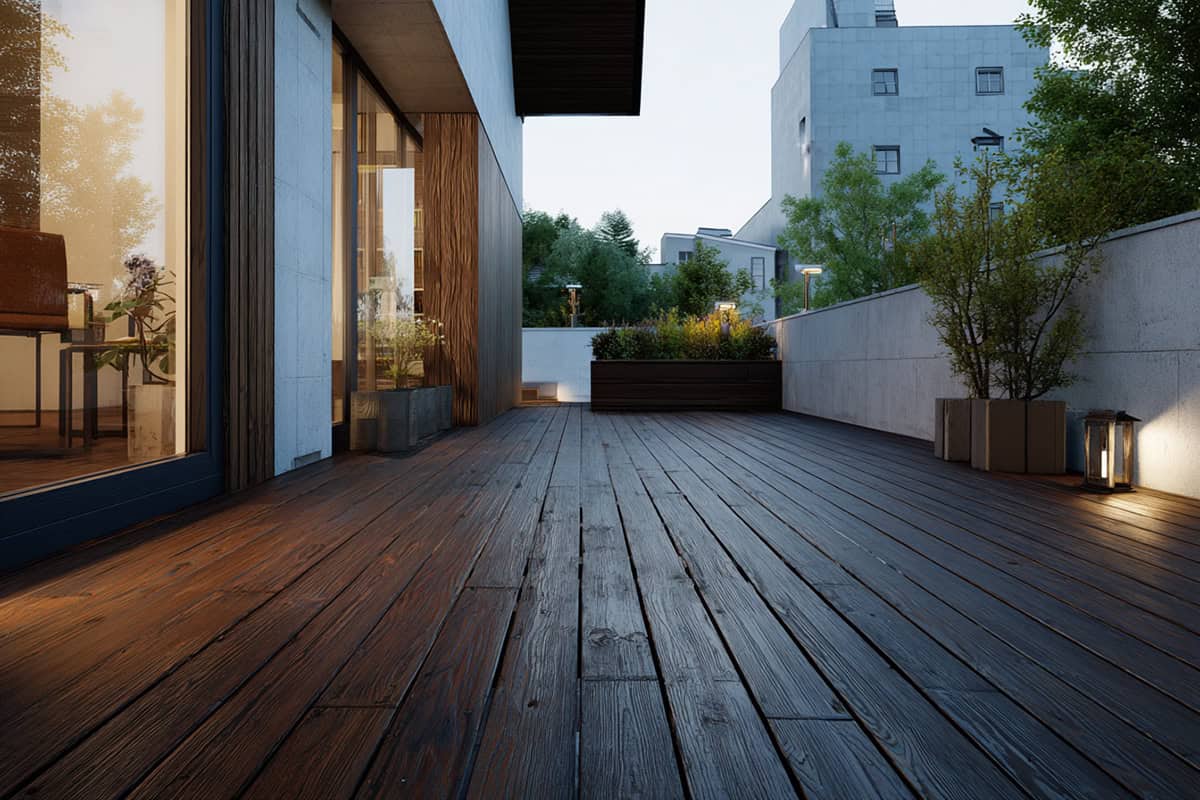
Espresso, nearly black, cuts a dramatic line against light gray siding. It’s a bold, modern choice if you want the deck to stand out and frame the house.
Clean architectural lines and contemporary homes seem made for this color.
Keep in mind, dark finishes soak up heat. If you’re in a hot climate, this could be a dealbreaker.
Metal railings in black or brushed steel keep things sharp. Lighter décor helps the space feel less heavy.
Driftwood Gray
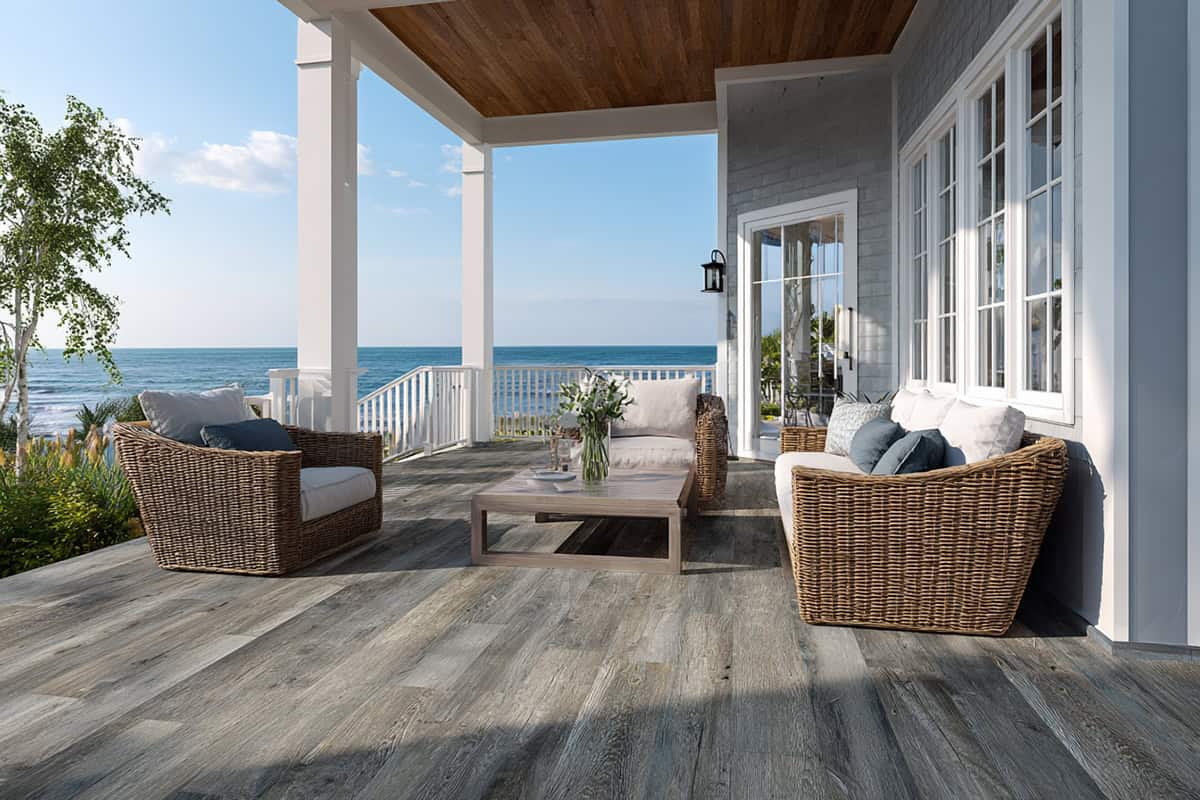
Driftwood gray softens the shift from siding to deck, especially if you’re after a tone-on-tone look.
Pick a shade that’s just different enough from your siding for some separation—too close, and the deck almost disappears.
This color fits right in with coastal, farmhouse, or modern styles. White railings and rough textures like stone or concrete play well with it.
Semi-transparent stains show off wood grain, while solid ones give a crisp, uniform result.
Charcoal
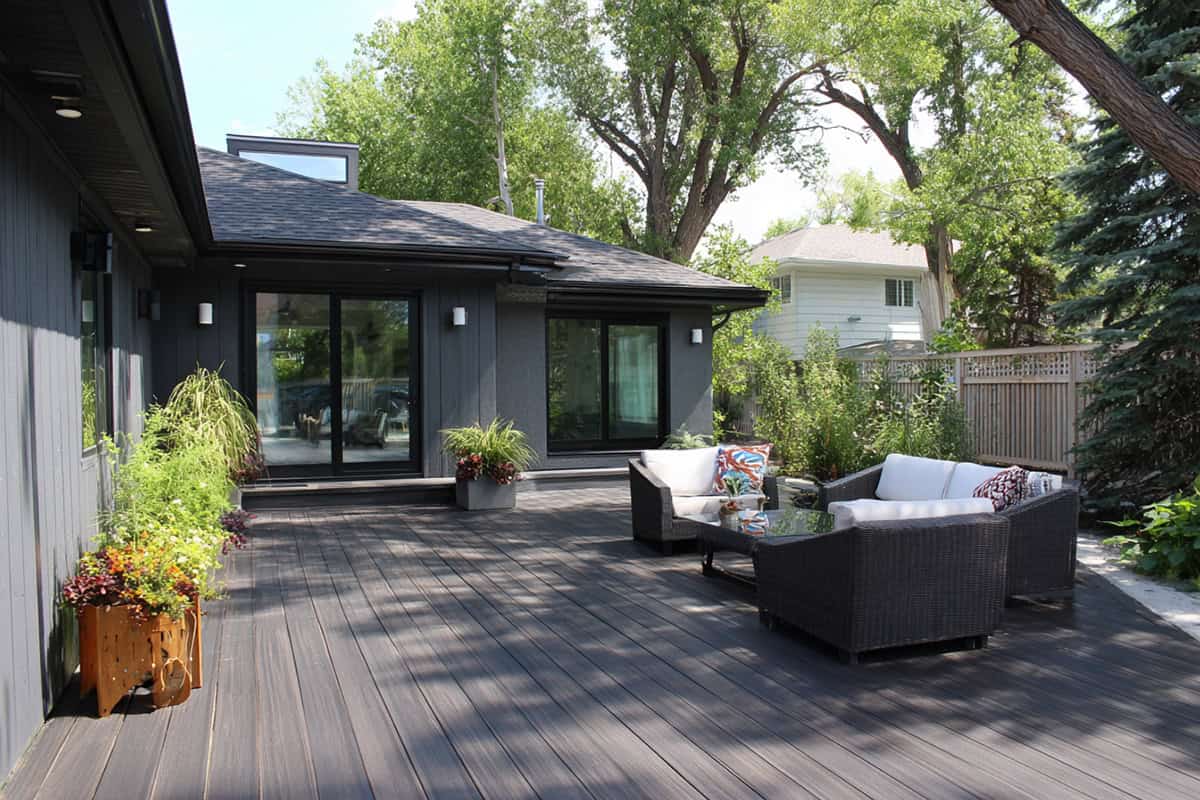
Charcoal delivers punchy contrast on lighter gray homes and subtle depth on darker ones. It’s got a modern, structured vibe that’s hard to ignore.
If you want the deck to anchor the space, this is the way to do it. Lighter furniture pops against it.
Mix in pale trim, cushions, or planters to keep things from getting too closed-in.
Charcoal’s forgiving on stains and wear, so it’s handy for decks that see a lot of action.
Cedar
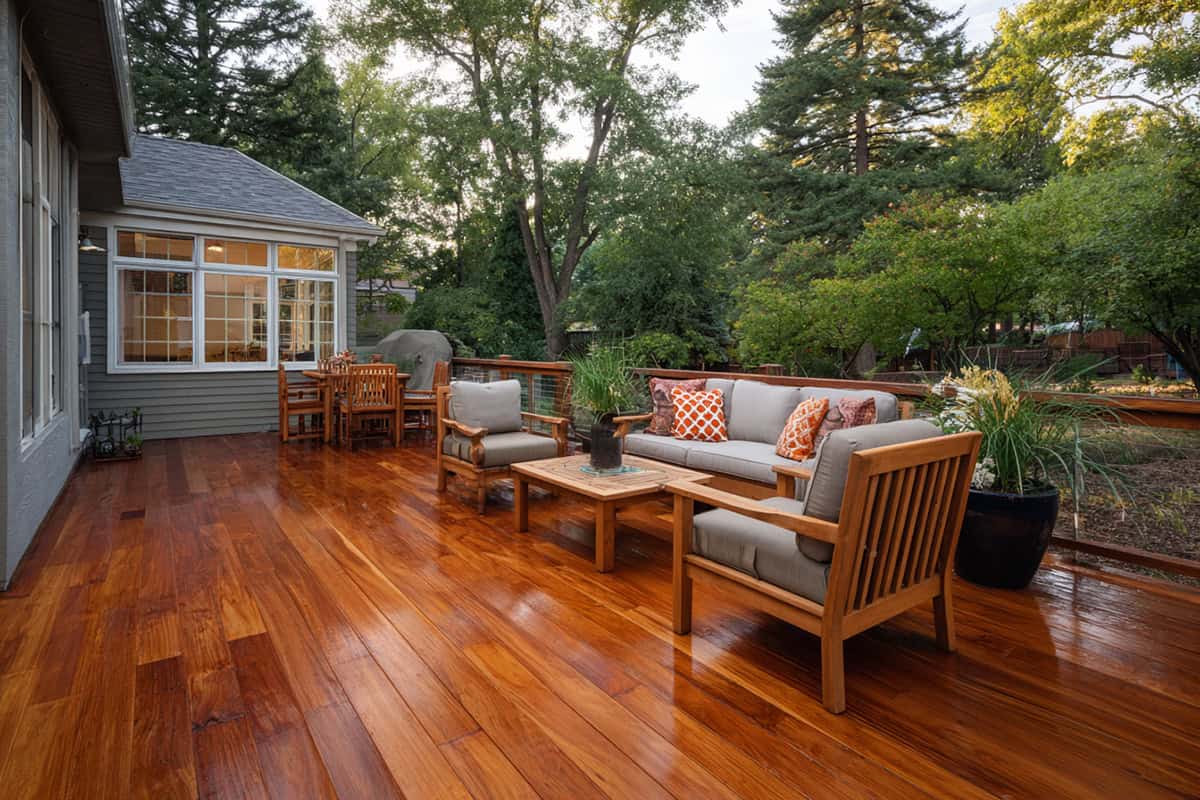
Cedar stain brings a mellow, natural orange-brown warmth—softening the chill of gray siding.
It feels right at home on craftsman or rustic houses, especially with stonework or earthy landscaping around.
Skip anything too bright or orange; a subdued cedar looks more at ease next to gray.
Plan on reapplying stain as the sun will fade it over time—nature’s way of keeping you on your toes.
Beige
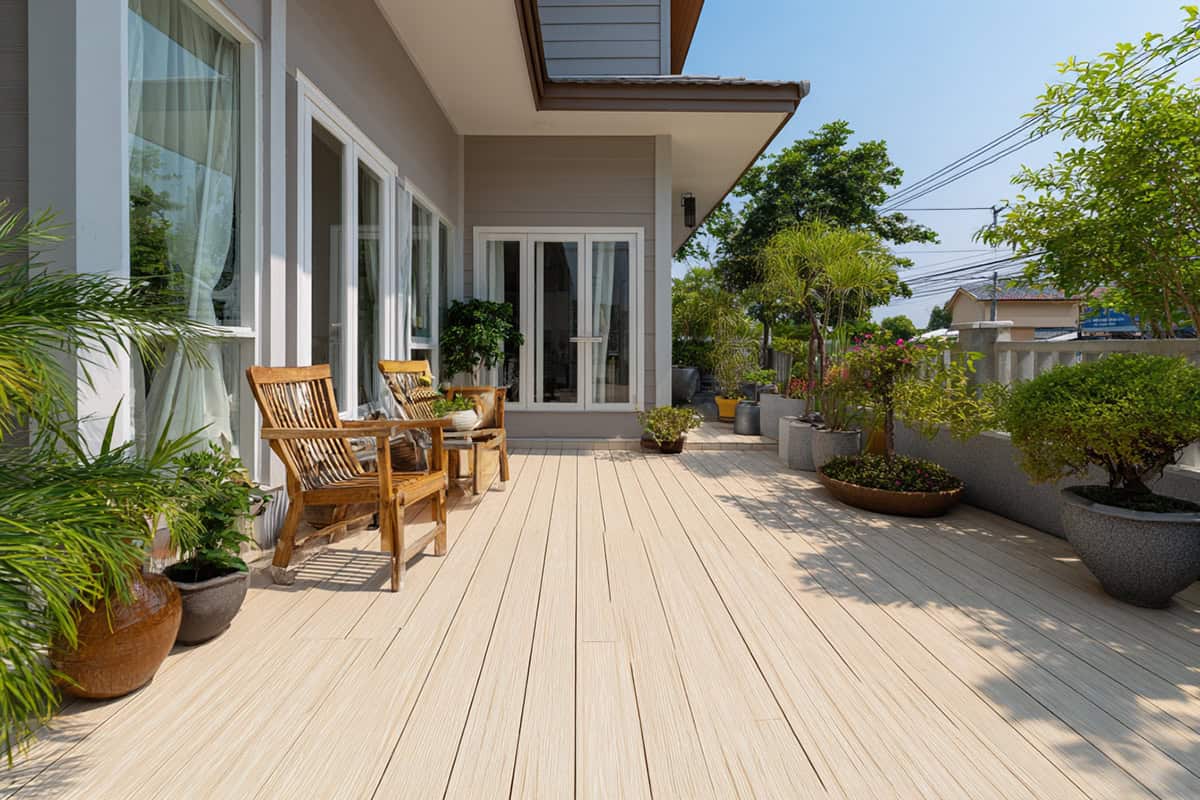
Soft, sandy tones have a knack for grounding a space without demanding attention. Against light gray siding and crisp white trim, beige quietly lifts the mood of a deck—never overwhelming, just easygoing.
The subtle brightness here doesn’t shout, but it does play nicely with a whole range of patio setups and outdoor fabrics. It’s versatile, sure, but not fussy.
When picking a shade, watch those undertones—lean too yellow and suddenly things feel off next to cool gray. A balanced beige is the sweet spot.
Traditional or transitional styles both welcome this choice. It keeps things relaxed, unified, and just a bit warmer, without ever looking forced.
Final Thoughts
If you were confused about the best deck colors for your gray house, we’re sure you are no longer uncertain thanks to our list of ideas above. A deck is the perfect outdoor sitting space for the family, but the color you choose must complement your home’s exterior gray walls.
The color of the deck plays a major part in the overall ambiance of your outdoor sitting area. This is why it makes sense to select the most coordinating stain or paint color.
Because gray has a cool undertone, it can work with warm deck colors like reds, browns or beige to create contrast. Admittedly, there are so many deck colors to choose that it can often prove to be a challenging task.
If you want to keep it simple and stick with gray, then make sure you choose one or two shades lighter or darker than your home’s exterior walls. On the other hand, if you like a bolder look, blue or black are sure to stand out. Once you decide on which deck color works best with your gray home, make sure you pick a high-quality and durable finish for longevity.