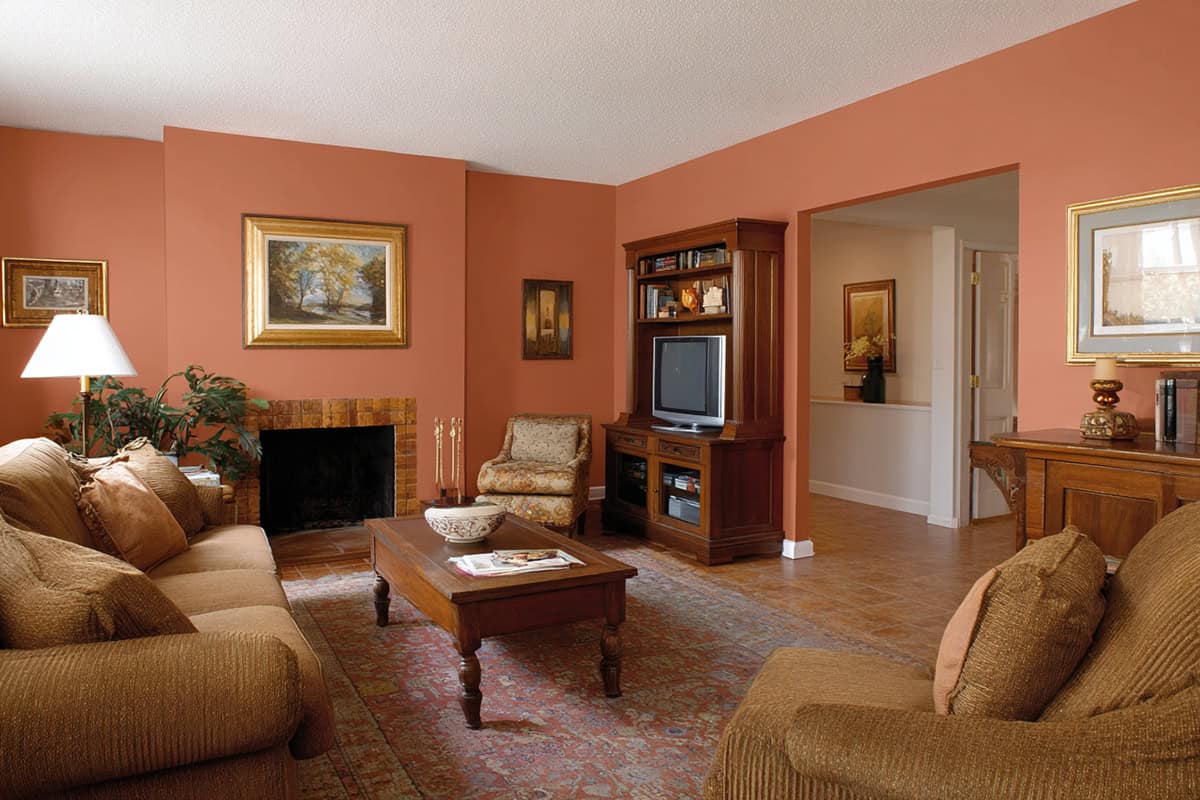
Maybe you’ve seen terracotta in ancient art—think of the Terracotta Army, those figures that once wore vivid pigments before time wore them away. There’s a certain comfort in knowing this color has been part of human spaces for ages, yet it never feels stuck in the past. Terracotta paint colors do give any space a grounded, timeless look that feels relaxed yet refined.
Brands like Sherwin-Williams, Benjamin Moore, Behr, Farrow & Ball, and Valspar each put their own spin on this classic. You’ll get a sense of which tones suit certain lighting, how to pair them, and ways to warm up a room without making it feel stuffy by browsing through the article below
Table of Contents
Sherwin-Williams
Sherwin-Williams has a handful of earth-toned options that echo natural clay and sunbaked terracotta. These shades drift from gentle orange-browns to richer copper and red notes, suiting both old-school and modern spaces.
Cavern Clay (SW 7701)
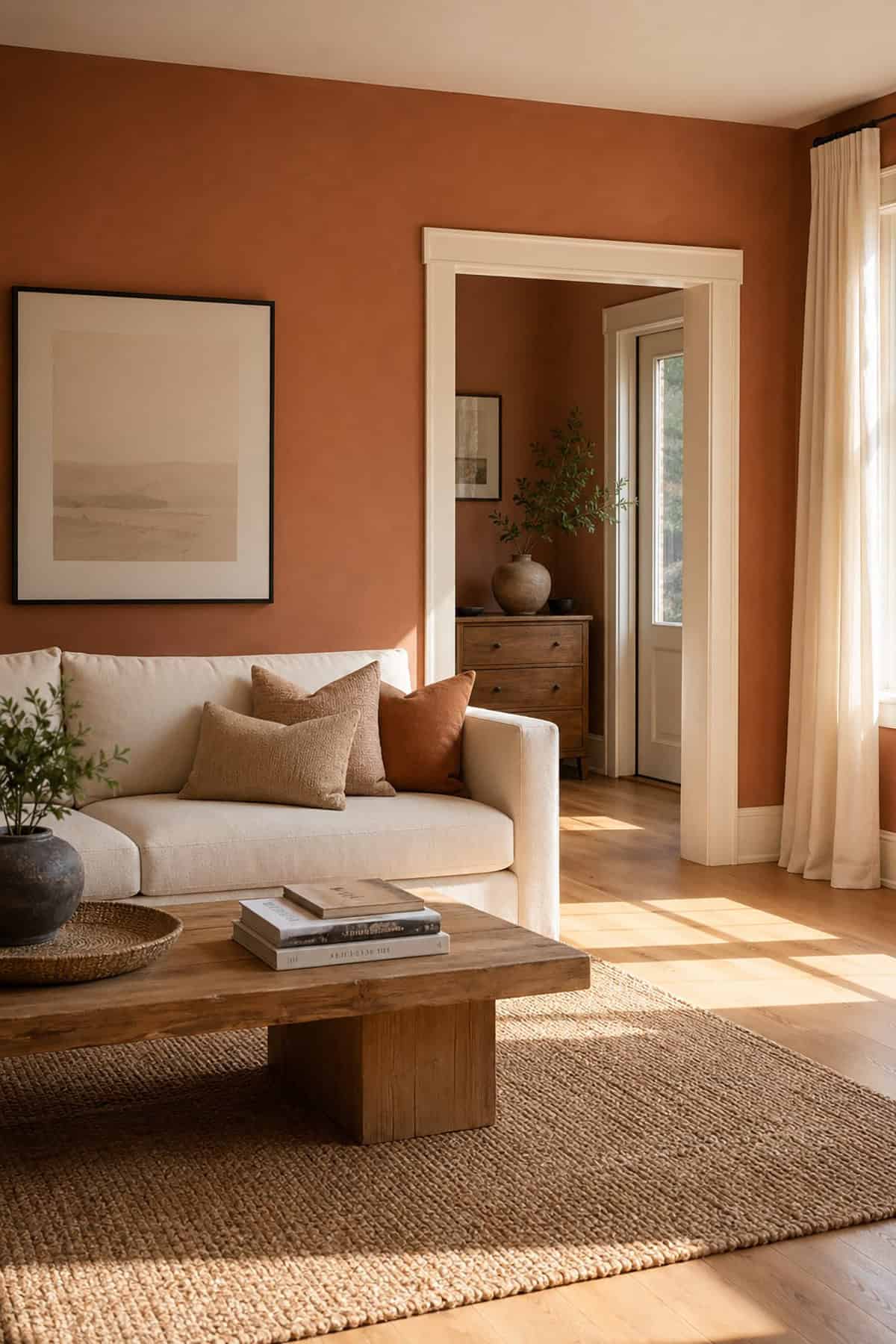
Cavern Clay brings that sun-drenched, desert vibe—orange and brown undertones, warm but not in-your-face. It’s steady, never overwhelming.
It’s a great pick for entryways, living rooms, or even offices if you’ve got neutral floors and creamy trim. Works nicely with soft whites, muted blues, and wood accents. If you want a little contrast, try charcoal metal or leather—those textures really pop against it.
It’s not too dark, so walls don’t get weighed down. Cavern Clay soaks up light just enough to show off texture and give you that matte, weathered look. The vibe is calm, simple, and honestly, it just feels easy to live with.
Spiced Cider (SW 7702)
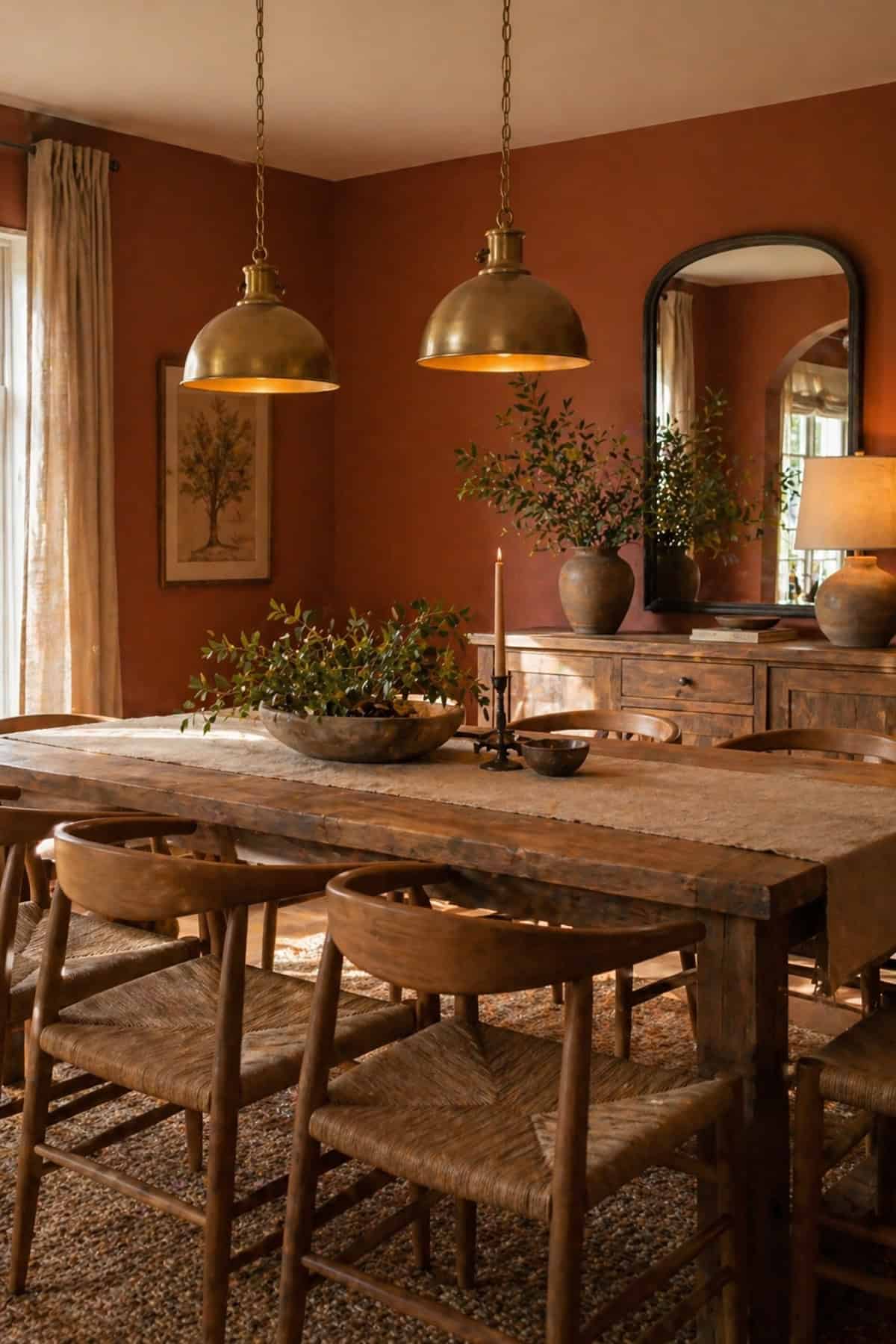
Spiced Cider is a deeper orange-brown, with a hint of red—think baked clay with a little extra richness. It’s warm but still feels grounded and professional.
Try it in a dining room to make the lighting feel cozy or in a kitchen with stone counters and brass fixtures. If you want to tone it down, go for a flat or eggshell finish. That’ll keep it from looking too shiny.
Depending on the light, it shifts—more terracotta by day, more brown and cozy under warm bulbs. It stays clean-looking as long as you skip glossy finishes and loud accent colors.
Reddened Earth (SW 6053)
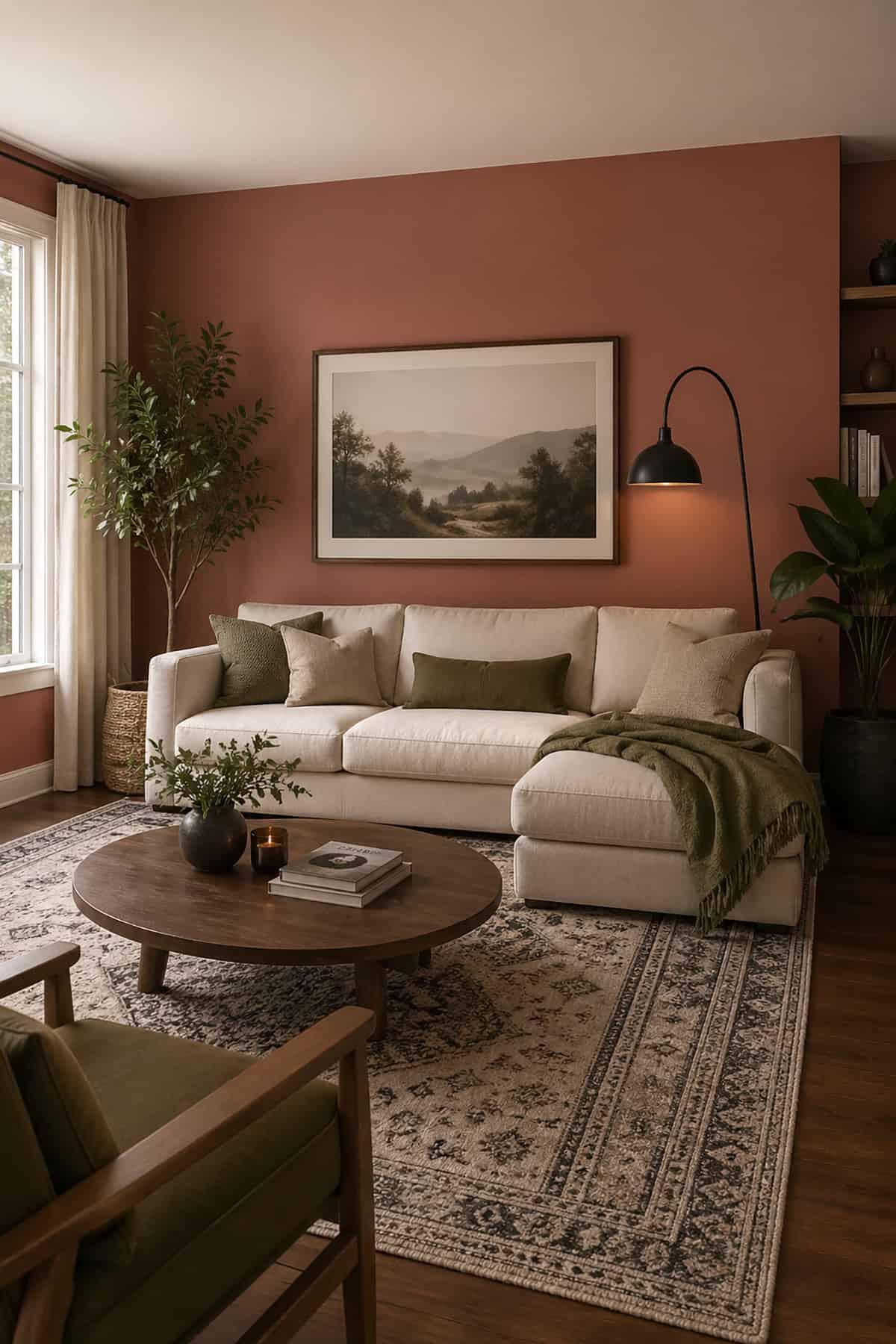
This one’s a clay red with a bit of pink and brown mixed in. Not as bold as brick, but definitely warm. When sunlight hits it, especially on matte walls, it just glows quietly.
It’s flexible—stands out against white trim or gray floors, or blends with other warm neutrals. Matte or satin finishes really let the texture show, especially on plaster or masonry.
Pair it with natural linens or old wood for that lived-in, easygoing feel. It’s not glossy, so it’s more about quiet presence than showiness. In cooler rooms, it helps balance the light and draws your eye without screaming for attention.
Copper Mountain (SW 6356)
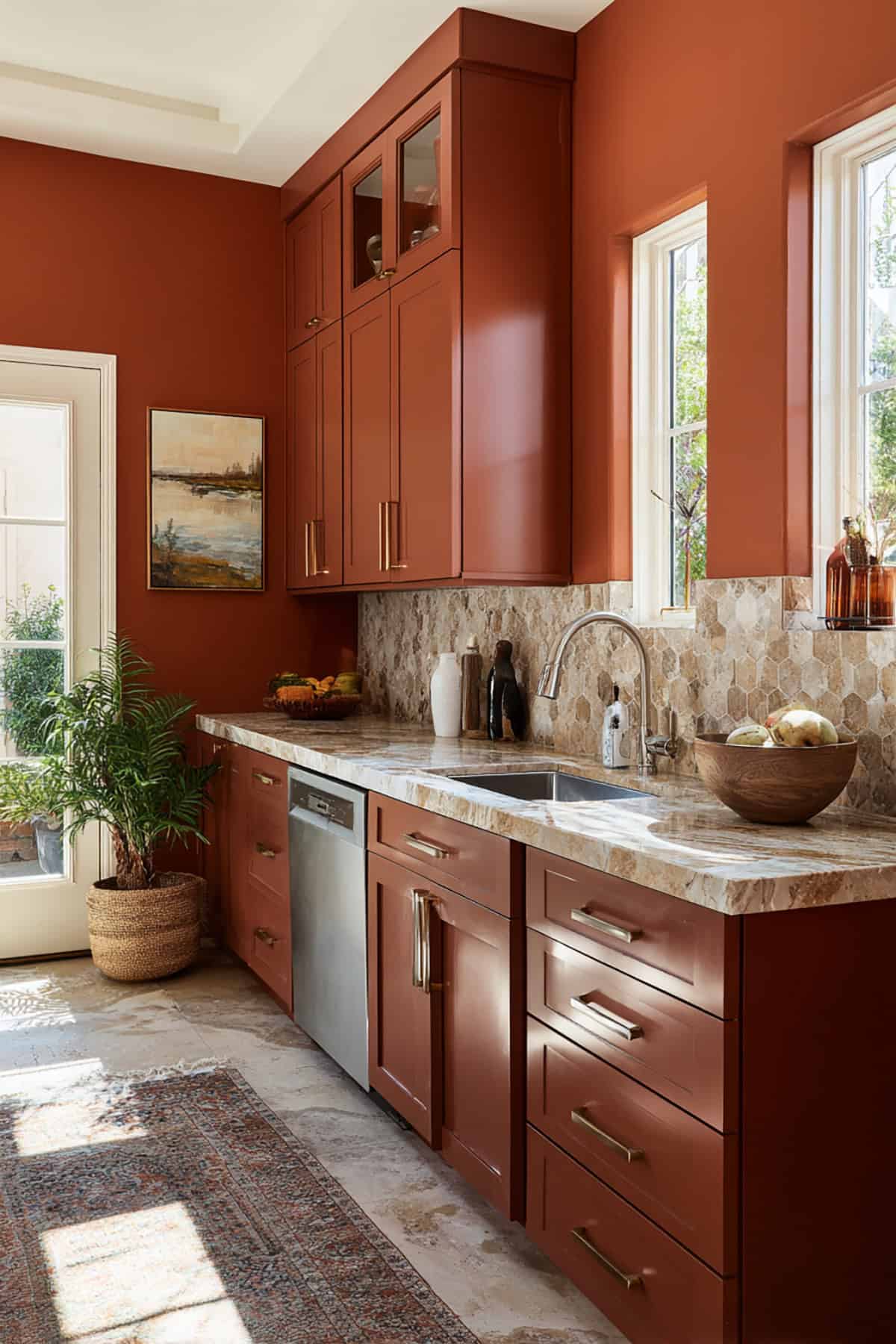
Copper Mountain sits somewhere between reddish-brown and orange, with a subtle nod to metallic warmth but no shine. It’s got that weathered copper vibe, but with a clay base.
Use it to tie together palettes with beige, tan, or mossy green. It really shines with earthy textures—stone, leather, rough wood. Outside, sunlight brings out its copper side.
Inside, it’s great for accent walls or cabinets, especially in smaller spaces where you want some depth. Off-white ceilings keep things light. It’s pretty stable in most lighting, which makes it a safe bet if you’re not looking to repaint every couple of years.
Benjamin Moore
Benjamin Moore’s got a solid lineup of terracotta-inspired shades. Each one brings a unique warmth, shaped by their own mix of geography, light, and material influence. These paints are all about depth and a natural, grounded feel.
Firenze (AF-225)
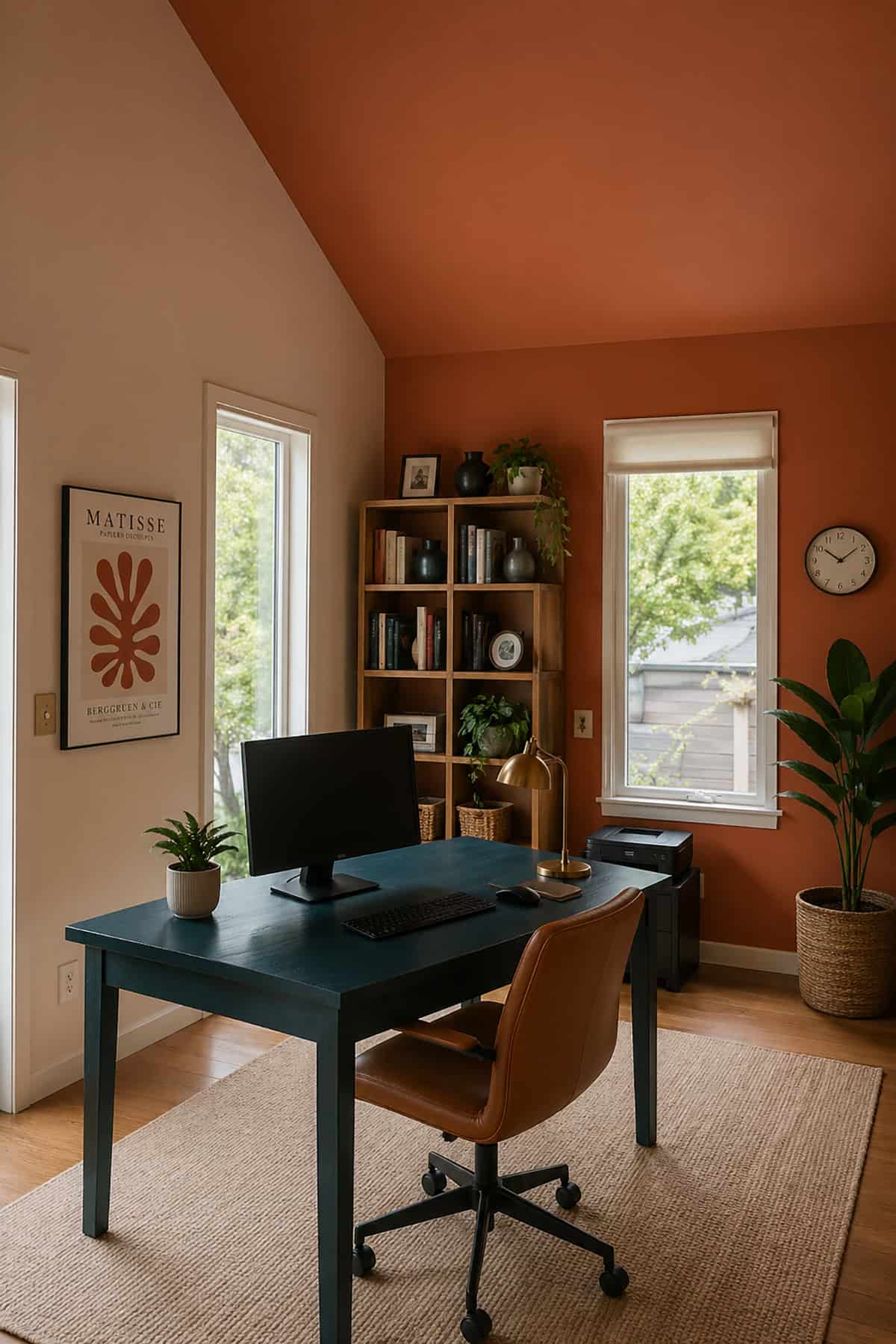
Firenze feels like aged Italian plaster—medium terracotta with soft brown and red undertones. Looks especially gentle in daylight. It’s a nice bridge between rustic and modern.
It’s great for accent walls or trim, especially with whites or olive greens. Against lighter surfaces and textured fabrics, it stands out without getting loud.
Under warm lights, it leans brick; in cooler spaces, it takes on a clay-gray tone. Super adaptable if your rooms see different light throughout the day.
Texas Rose (2092-40)
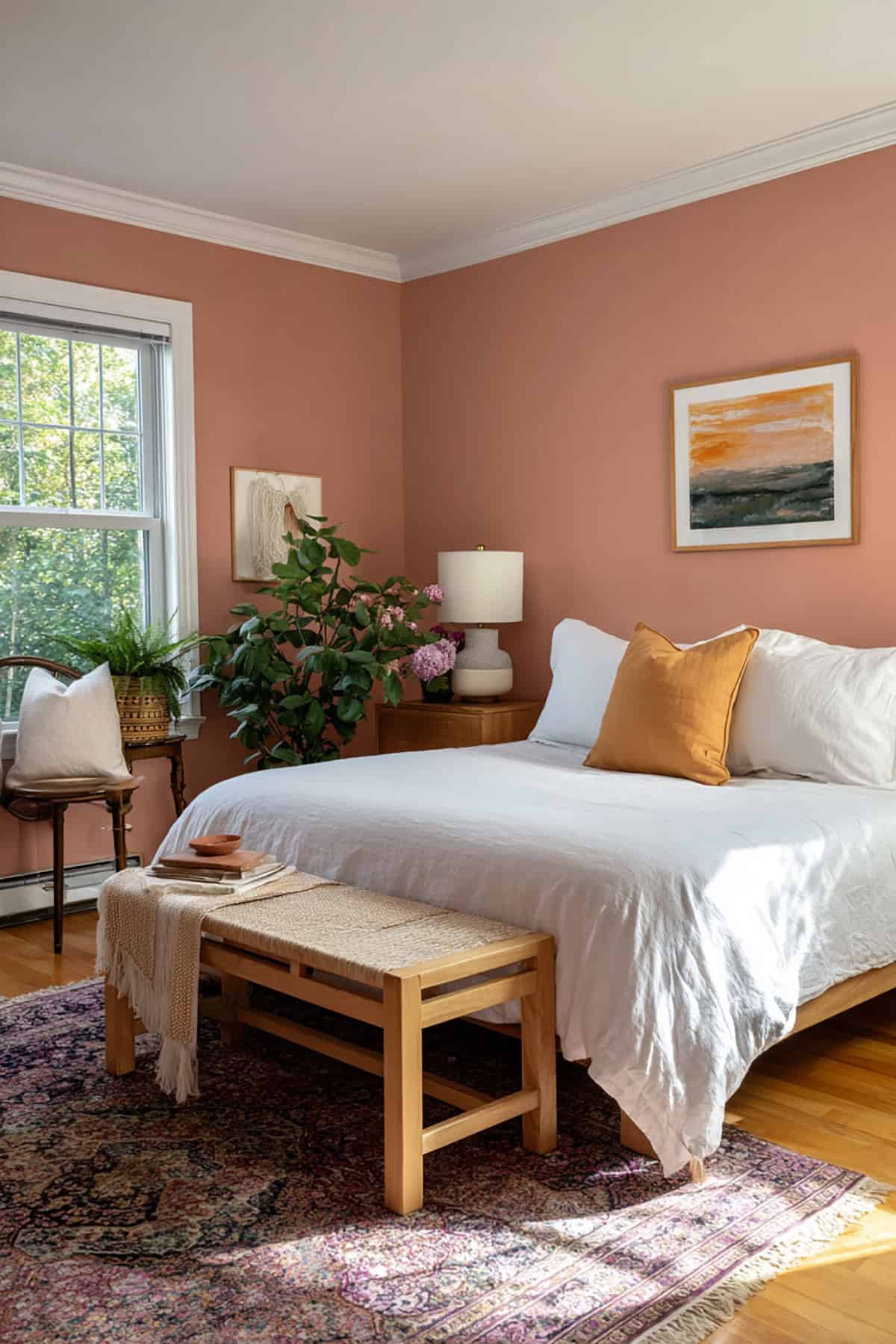
This is the lighter, more playful take—peach-pink with an earthy base so it never gets too sweet. Works well in living rooms or bedrooms that need a bit of lift but not too much energy.
Texas Rose pairs up nicely with warm neutrals and pale woods. It brings a refined blush that doesn’t overpower. Looks especially good in sunny spots where it can bounce light around.
There’s something about the mineral warmth and rose tint that just ties a room together, whether it’s on walls, textiles, or even cabinetry.
Tucson Red (1300)
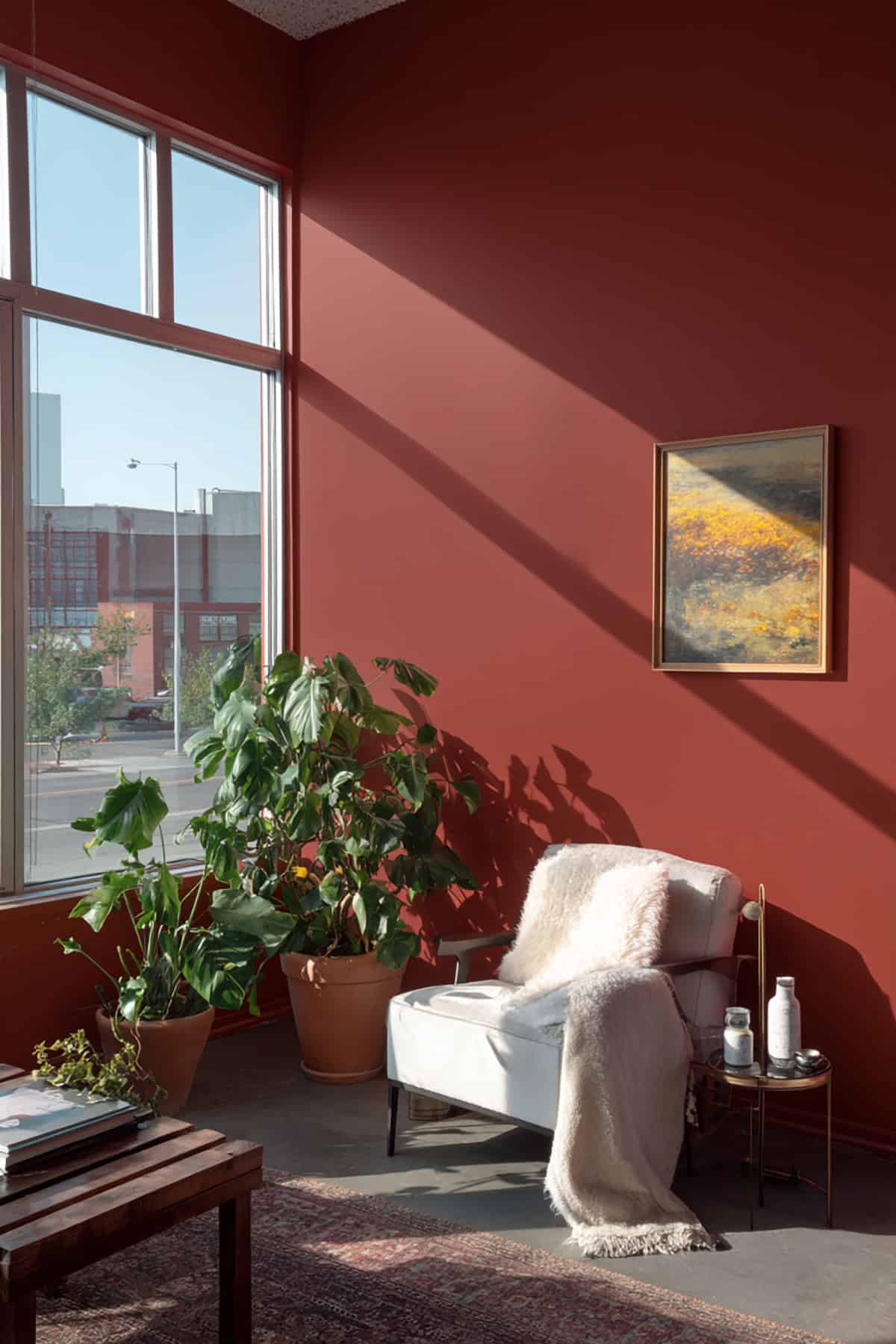
Here’s the bold one—deeper, more saturated, with a red-oxide vibe like desert tiles. Even a small amount makes a statement.
It’s best in spots with high ceilings or where you’ve kept the décor minimal. Layer it with browns, sand, or metallics if you want to push the intensity. Afternoon sun really brings it to life.
Despite being strong, it’s not harsh. There’s warmth and weight, but it still feels like a room you’d want to spend time in.
Behr
Behr’s terracotta shades reinterpret the classics—earthy reds, muted oranges, and coppery midtones that work both inside and out.
Terra Cotta Clay (S190-5)
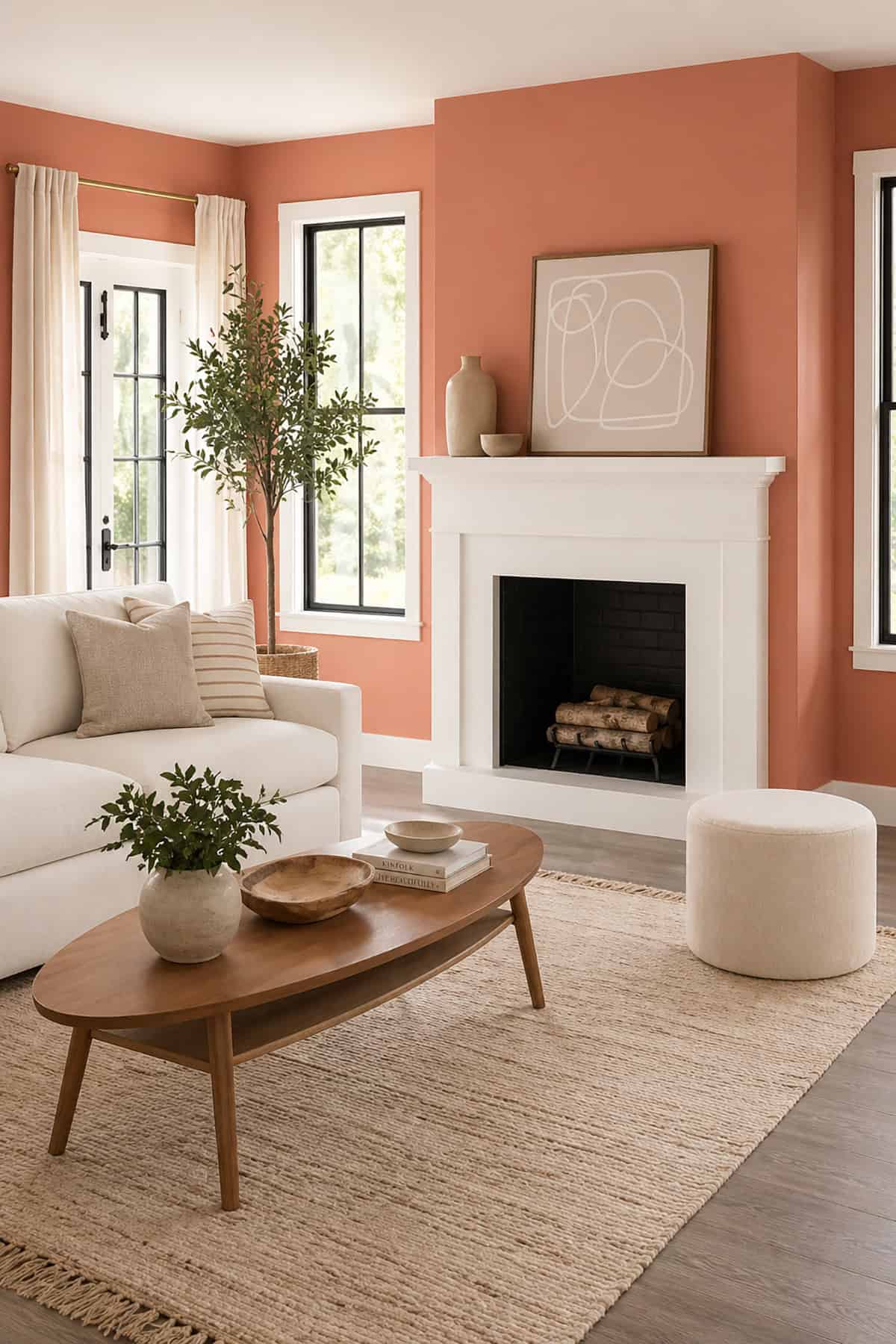
This one’s a balanced reddish-brown—warm, but not bright or flashy. Reminds you of real fired clay. Looks great with neutrals or creams.
It’s a solid choice for living rooms or entryways if you want a grounded vibe. The color stays true in different lighting. More orange in daylight, richer at night.
Matte or eggshell finishes really let the wall’s texture show, especially on plaster or stucco. Keeps things from feeling too polished or new.
Arabian Red (M180-7)
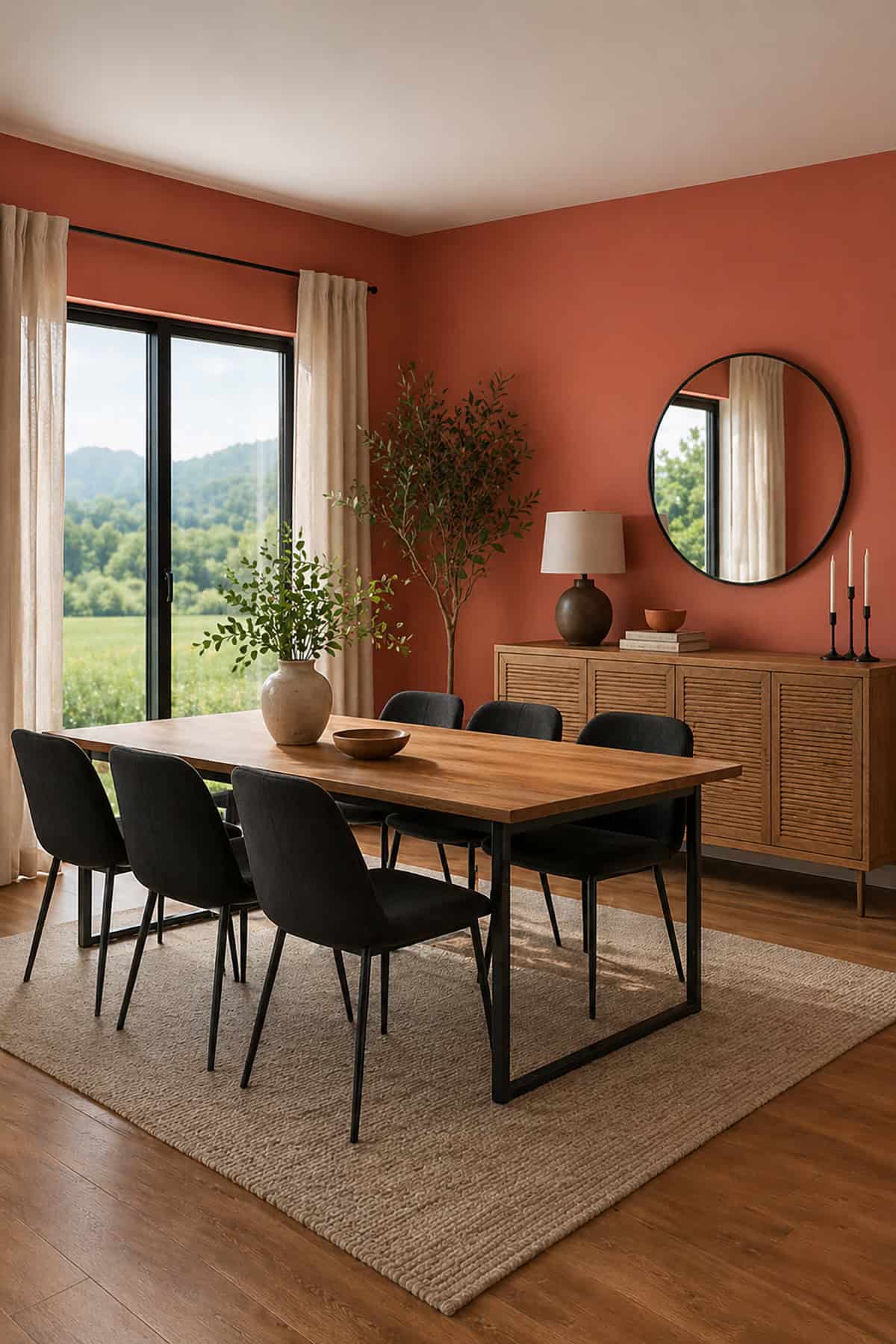
This is a bold, deep red with a brown undertone—stronger than most terracotta paints, somewhere between brick and crimson. It anchors a room but doesn’t take over.
Try pairing it with cream trim or cool gray accents to balance the intensity. It makes wood and metal furniture pop.
It’s pretty saturated, so maybe test a patch before committing. Light can swing it from warm brick to deeper russet, depending on the angle.
Copper Pot (M200-5)
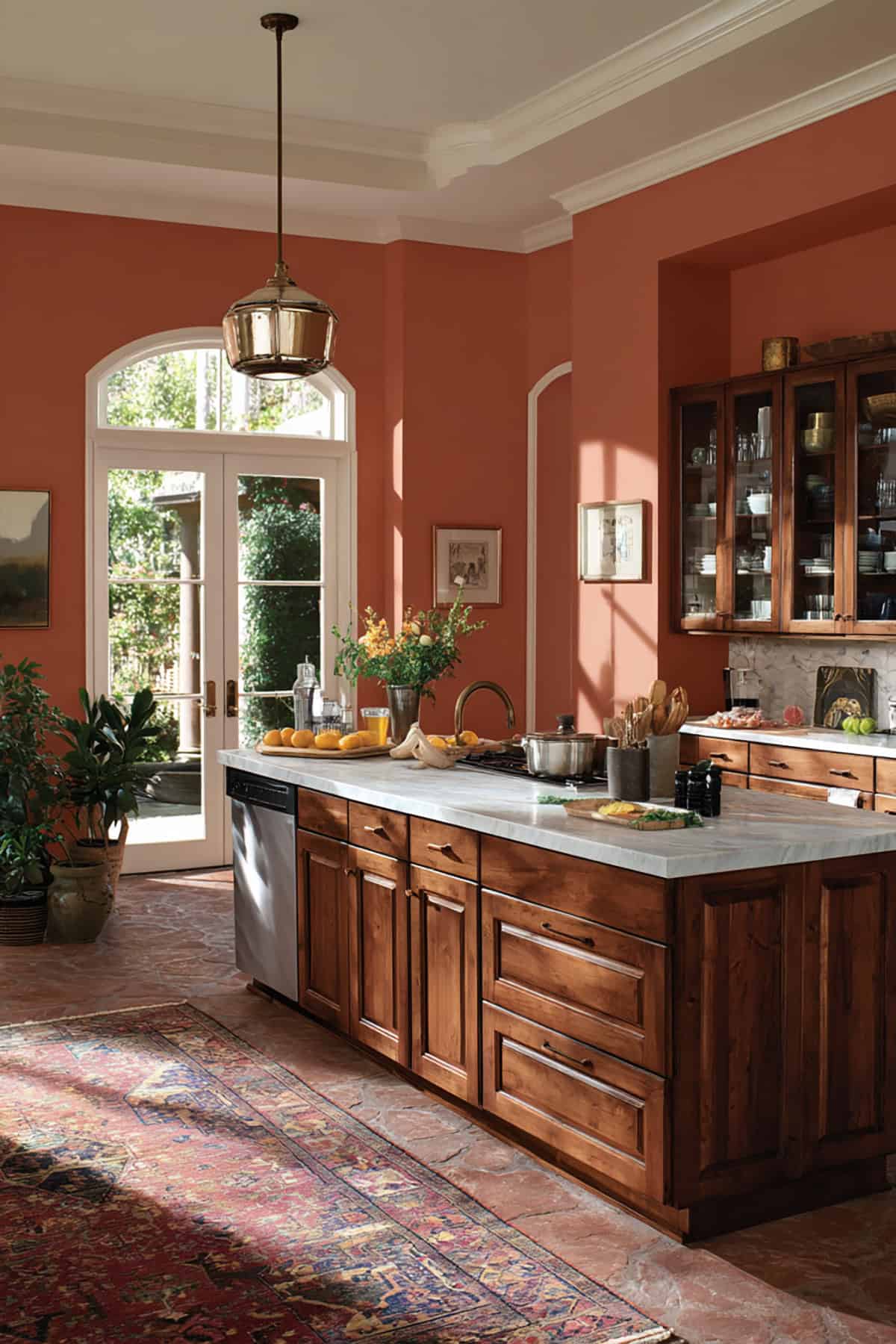
Copper Pot brings a hint of metallic warmth, though it’s not shiny. Think aged copper pots—red, brown, orange all in one. It’s flexible for both rustic and modern spaces.
Perfect for kitchens or dining rooms where you want a steady, inviting tone. In small rooms, it adds just enough presence without closing things in.
Put it next to soft whites or pale stone for a gentle contrast. It’s easy to pair with dark woods or mixed metals for a look that feels pulled together but not forced.
Farrow & Ball
Farrow & Ball nails those traditional terracotta vibes with natural pigments and fine clays. Two shades in particular really stand out—balanced, warm, and easy to mix with stone, wood, or old plaster.
Red Earth (No. 64)
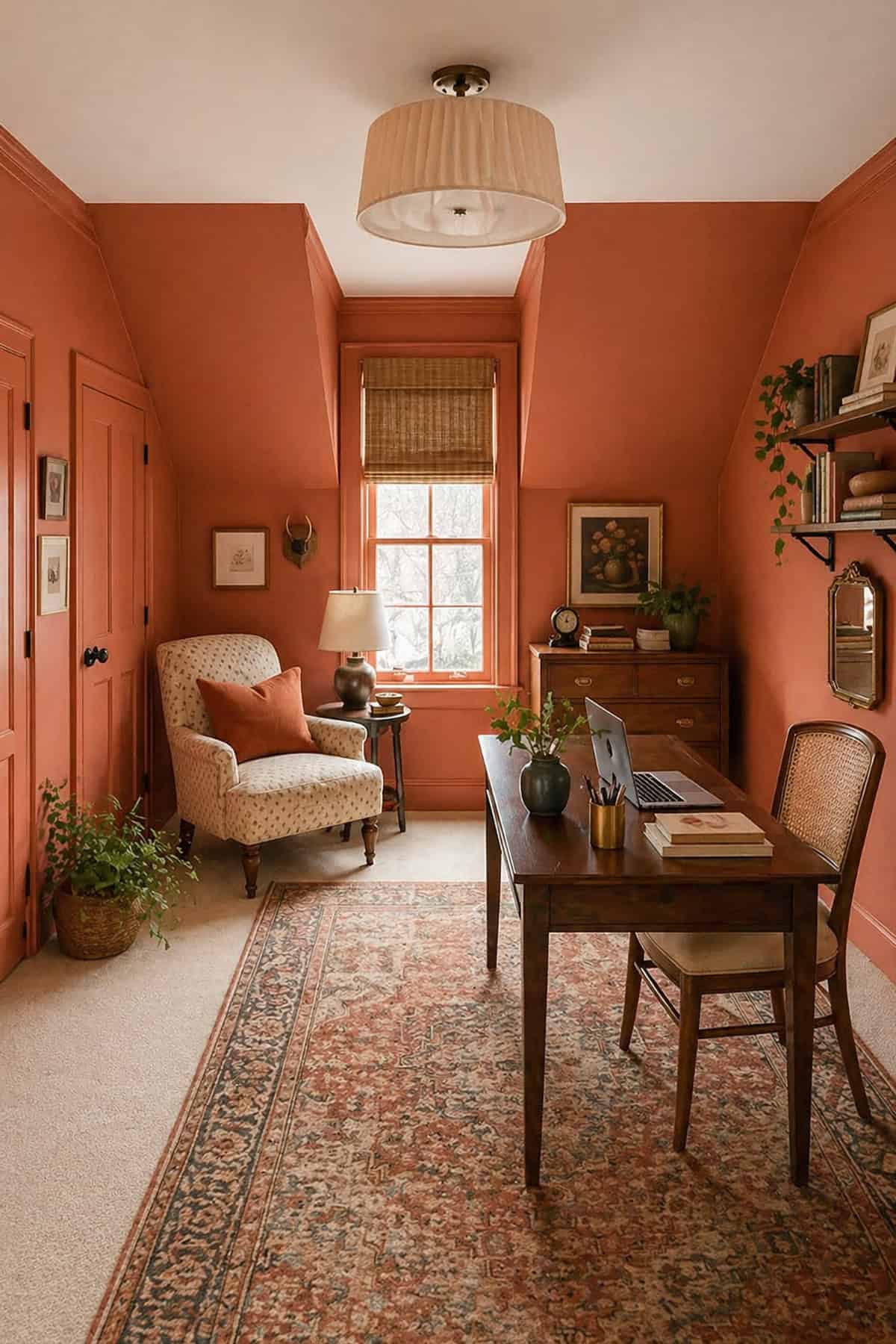
Red Earth draws its character from sunbaked clay—muted red with ochre and iron oxide. It’s warm, steady, and never flashy.
Use it to bring an organic note into modern rooms. Simple materials like linen, bare oak, or stone work beautifully here. Light changes it—morning sun makes it look dry and powdery, while evening shadows bring out a russet depth.
It’s calm and consistent in balanced lighting, and there’s something about the matte finish that makes it feel grounded and tactile. Whether on walls, doors, or trim, it adds depth without ever getting bossy.
Book Room Red (No. 50)
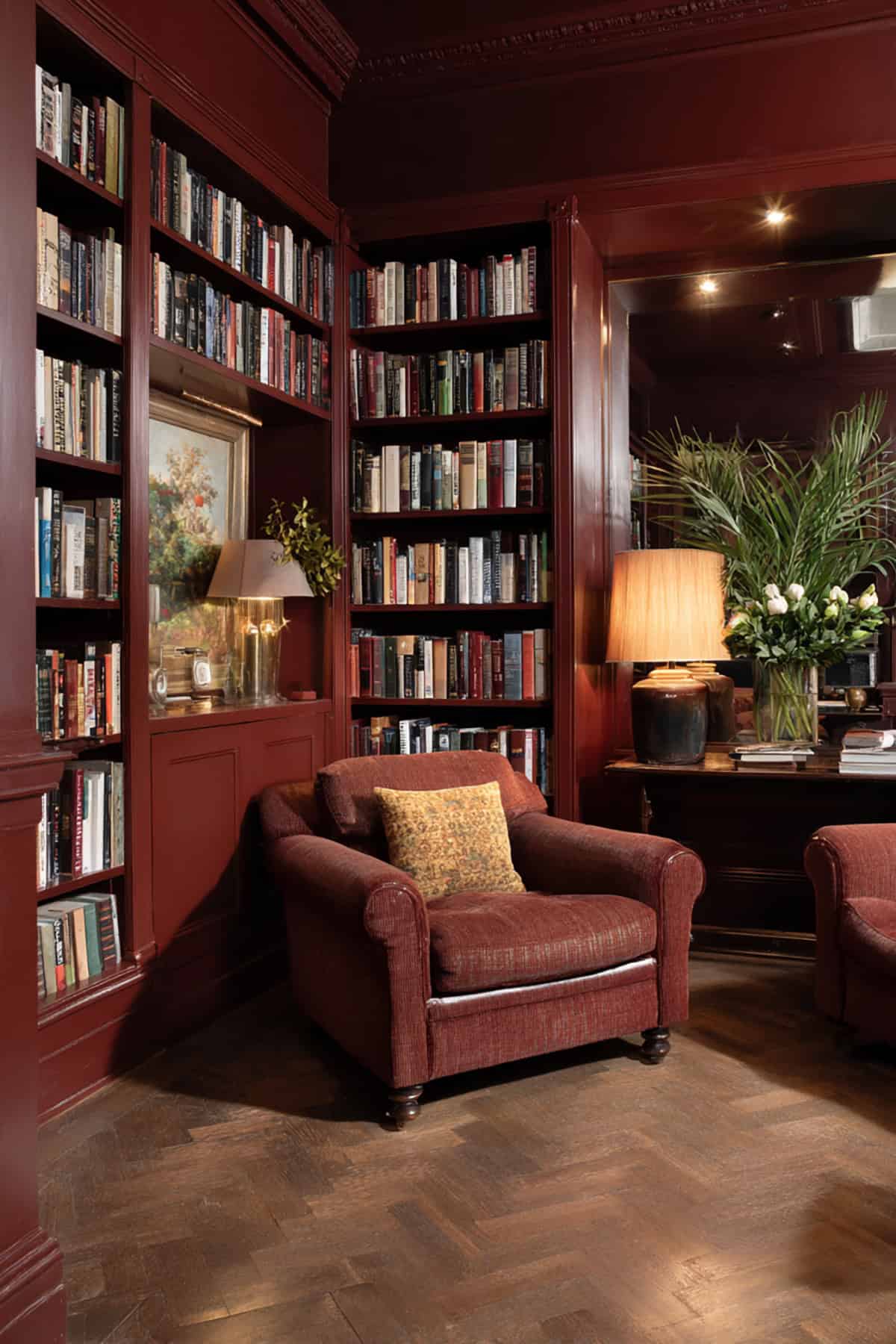
This is the quieter, more formal option—somewhere between brick and garnet. It’s got that aged lacquer or old leather vibe, thanks to red oxide and umber.
Reach for this if you want warmth that feels lasting. It’s best with off-whites, beiges, or blue-grays (skip the pure white). Candlelight shows off a brown undertone; daylight brings a mellow red glow.
The finish is smooth and understated. On paneling, it gives a subtle richness that feels crafted rather than showy. In smaller rooms, it wraps you up without making things feel cramped or dark.
Valspar
Valspar’s terracotta-inspired colors balance earthy warmth with a modern twist. There’s a range, from deep brick reds to softer clay neutrals, so you’ve got plenty of options for walls, accents, or even exteriors.
Sunset Brick (2007-1B)
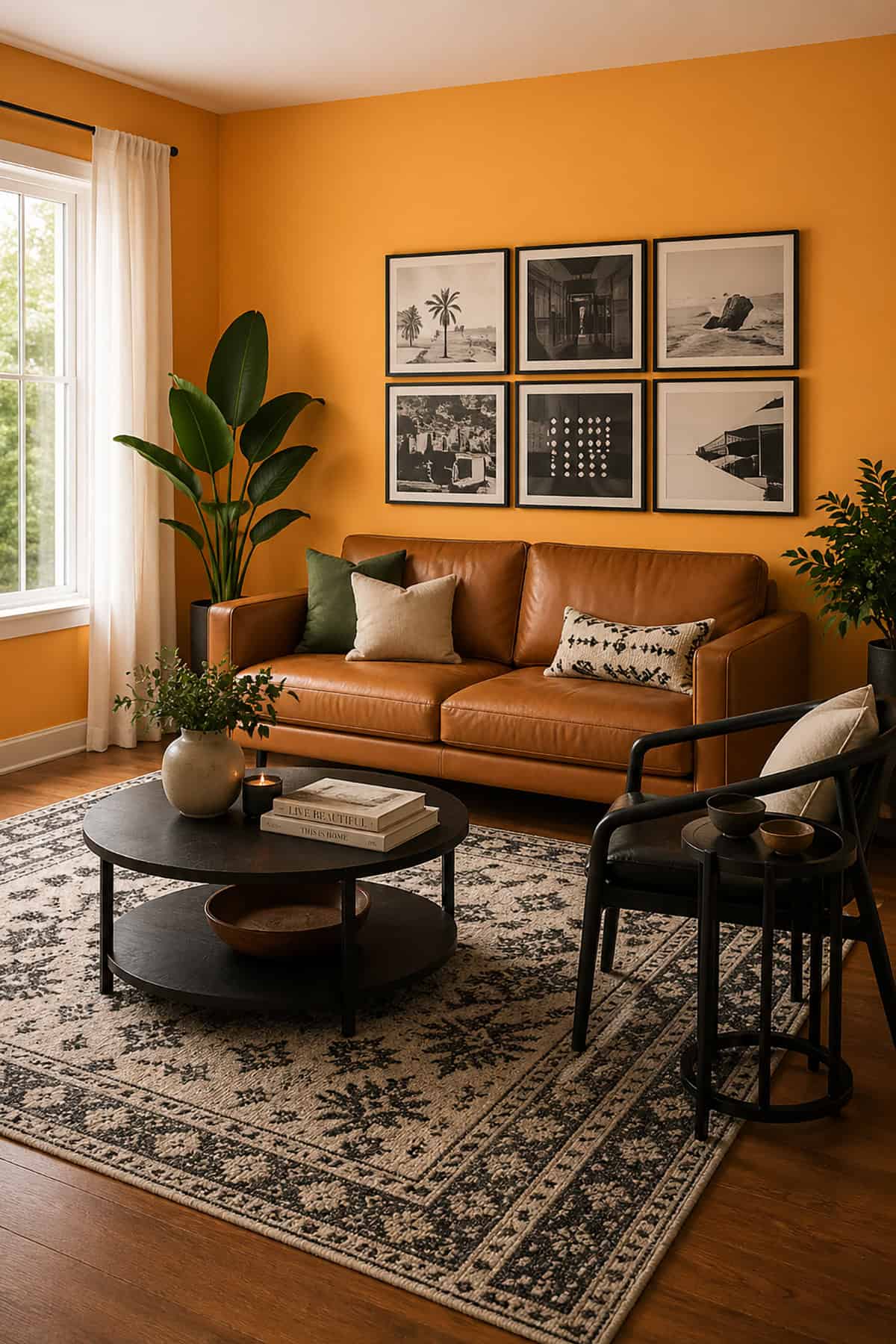
Sunset Brick is a strong reddish-brown with a hint of orange. It’s got the depth of baked clay, but there’s a softness that keeps it from feeling harsh. Under warm light, it really brings out texture and detail.
It’s right at home with wood and stone. Matte finishes help highlight trim or beams. Works for exterior brick or interior accent walls if you want warmth without going overboard.
Skip bright whites—ivory or warm beige are better companions. In low light, it darkens a bit, making the space feel grounded and cozy, especially with natural materials and handmade touches.
Brick Dust (1006-8A)
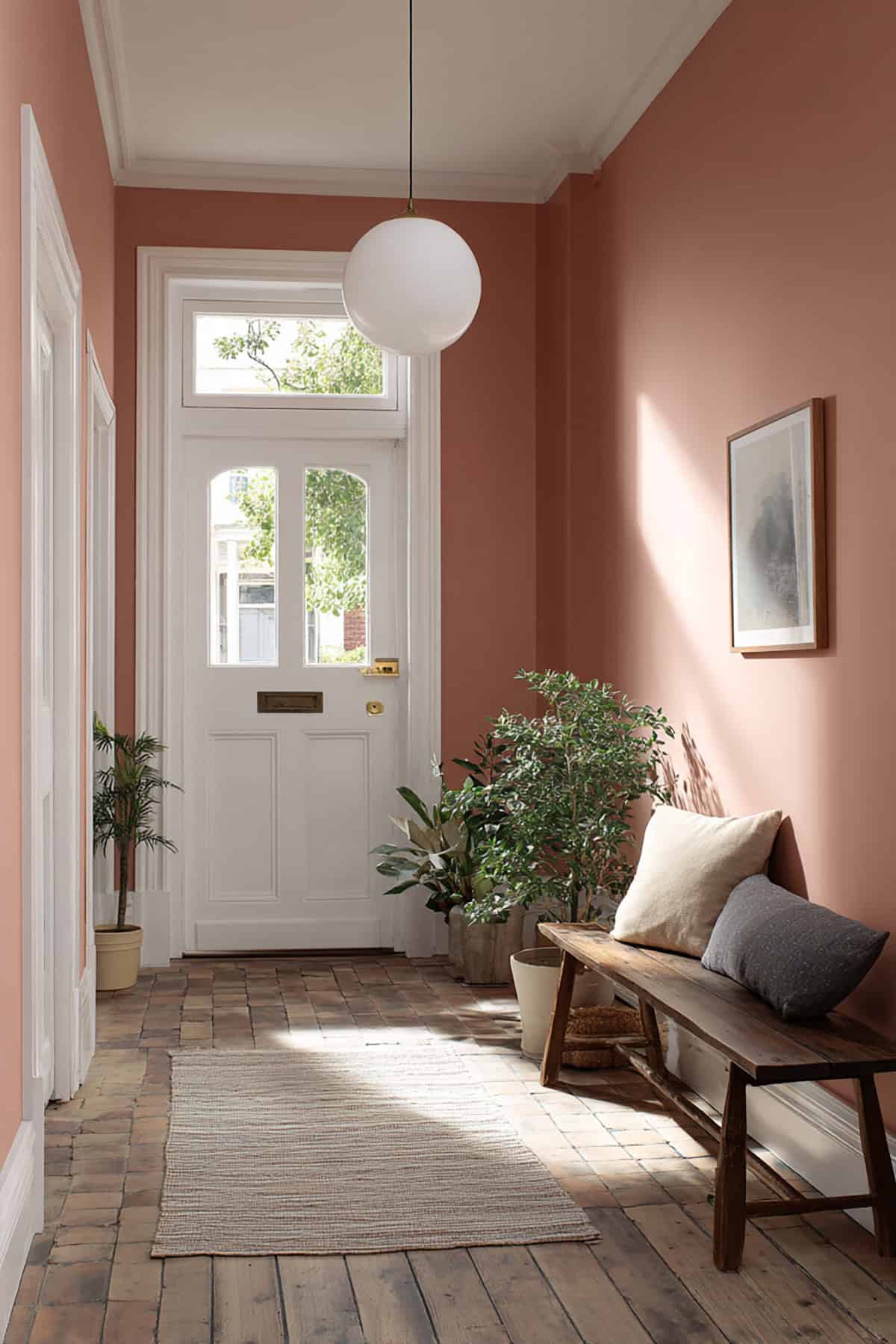
Brick Dust is lighter and drier than Sunset Brick. It’s got a weathered clay look, almost pale terracotta with a hint of rose. Great for when you want a softer, dusted effect instead of a bold color block.
It’s a smart pick for smaller rooms—gives depth but doesn’t crowd the space. The pinkish tint softens corners and makes things feel more relaxed. Looks good with neutral furniture or aged metals for an easy, organic feel.
In daylight, it bounces a gentle brightness around—never pastel, just calm. Try it in dining rooms or hallways where the light shifts. Textures like linen or jute really bring out its warmth.
Terracotta Blush (2002-5B)
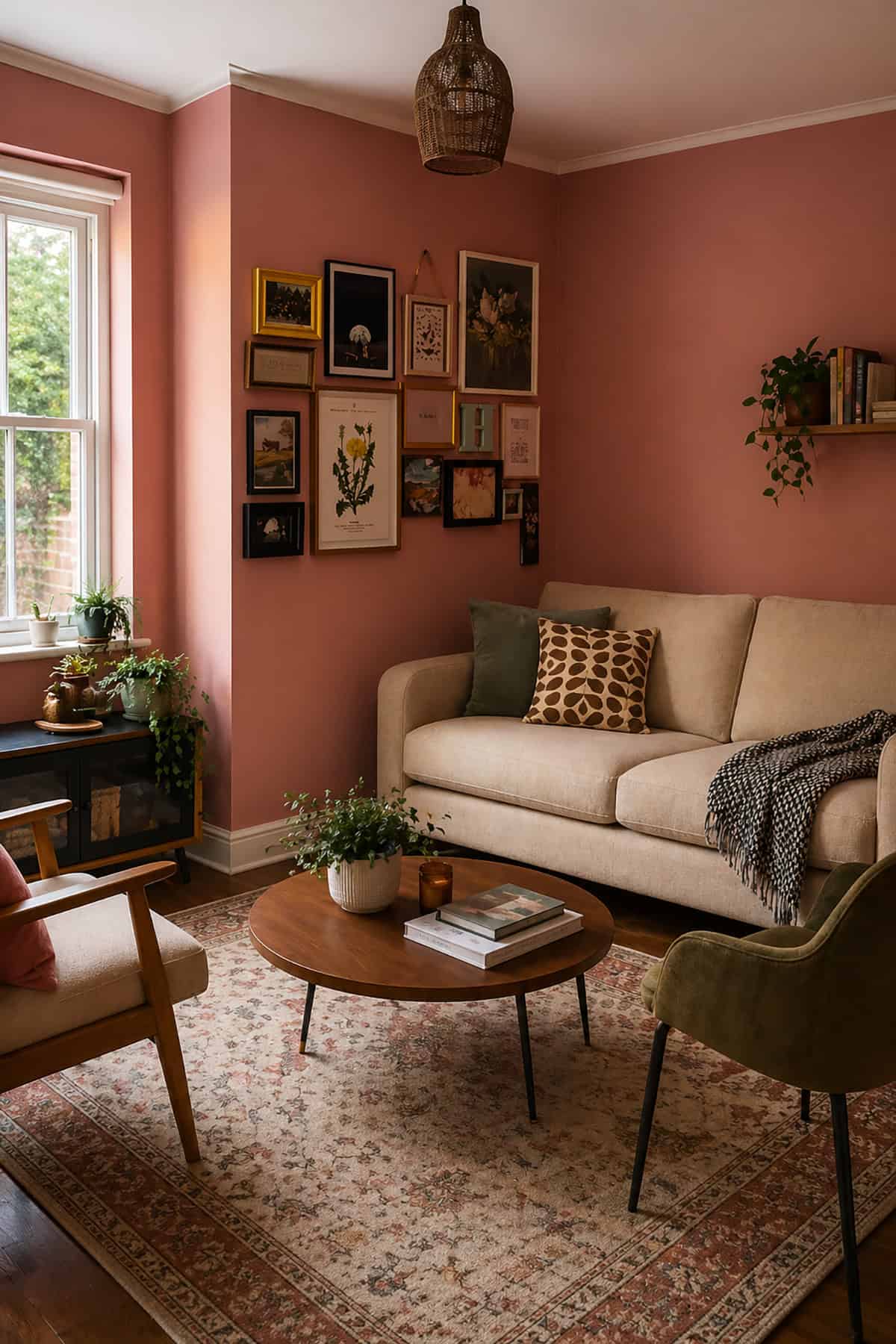
Terracotta Blush brings together orange-brown clay and just a hint of peach. Somewhere between earthy red and that more modern coral vibe, it’s a color that sort of settles in—noticeable, but never shouts for attention. Works especially well in spaces that need a touch of color without going overboard.
It plays nicely with taupe, sand, or even muted gray. The overall effect? Feels grounded, a bit familiar, but still polished. Outside, it can give off that sun-warmed, Mediterranean thing, while inside, it’s surprisingly soft—especially in the changing light of day or under a lamp at night.
Some darker terracottas can get a little heavy, but not this one. It keeps its energy, even in the shadows. Surfaces look a bit smoother, especially with satin or a plaster finish, and the color doesn’t really waver much, no matter what time of day. There’s a consistent warmth that just makes a room feel pulled together.