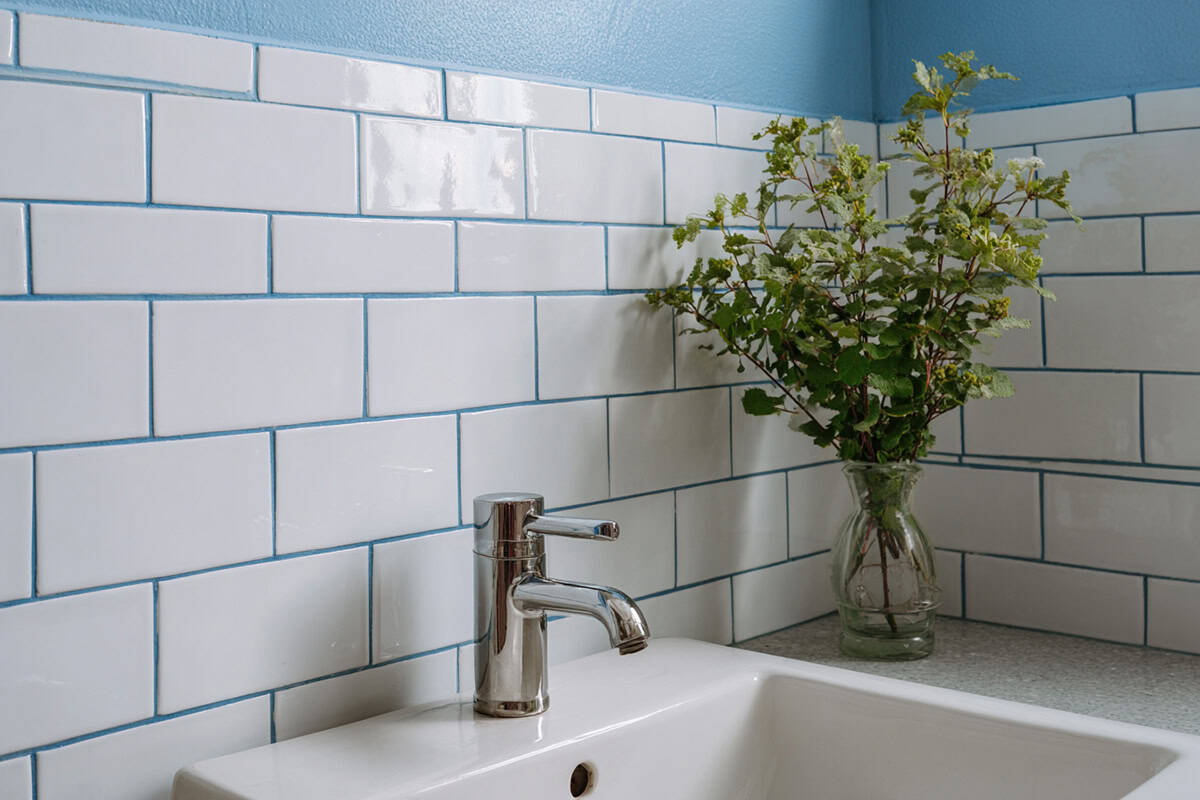
If you are planning a classic kitchen or bathroom with white tiles, you may not have thought about the grout color yet. The best grout color for white tile doesn’t have to be limited to neutral hues.
Bright, bold grout colors can transform white tiles, but the question is, how do you decide which works best for your space? The last thing you’ll want to happen is for the grout color to overwhelm your white wall or floor tiles.
To give you some suggestions on how to select the best color grout for your white tiles, take a look at the below examples, as well as some tips on coordinating grout colors with white tiles:
Table of Contents
Grout Colors that Work Well with White Tile
Gray
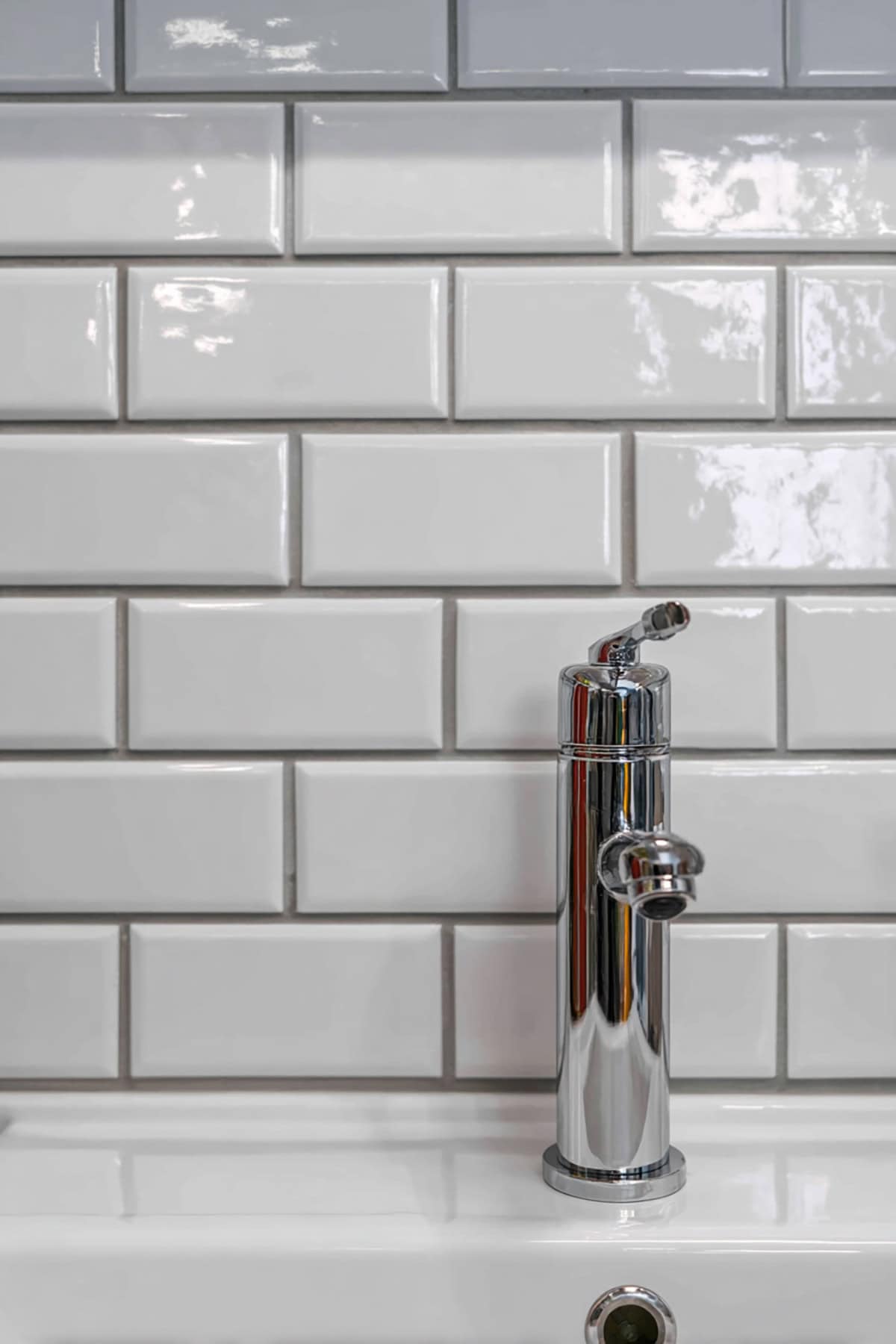
Gray is a beautiful and popular grout choice for white bathroom and kitchen walls. This neutral hue has a subtle contrast, which helps the white tile stand out. Once you incorporate this color into your walls or floors, the grout will define the shape of the white tile more clearly. Gray is also a popular color used for tiles; it can match various grout colors.
Note: the gray shade you choose shouldn’t be too light, as it can look lost with the white tile. Instead, opt for a mid-toned, warm gray shade. This is a classic look for white subway tiles, as you can see in the image we’ve provided.
White
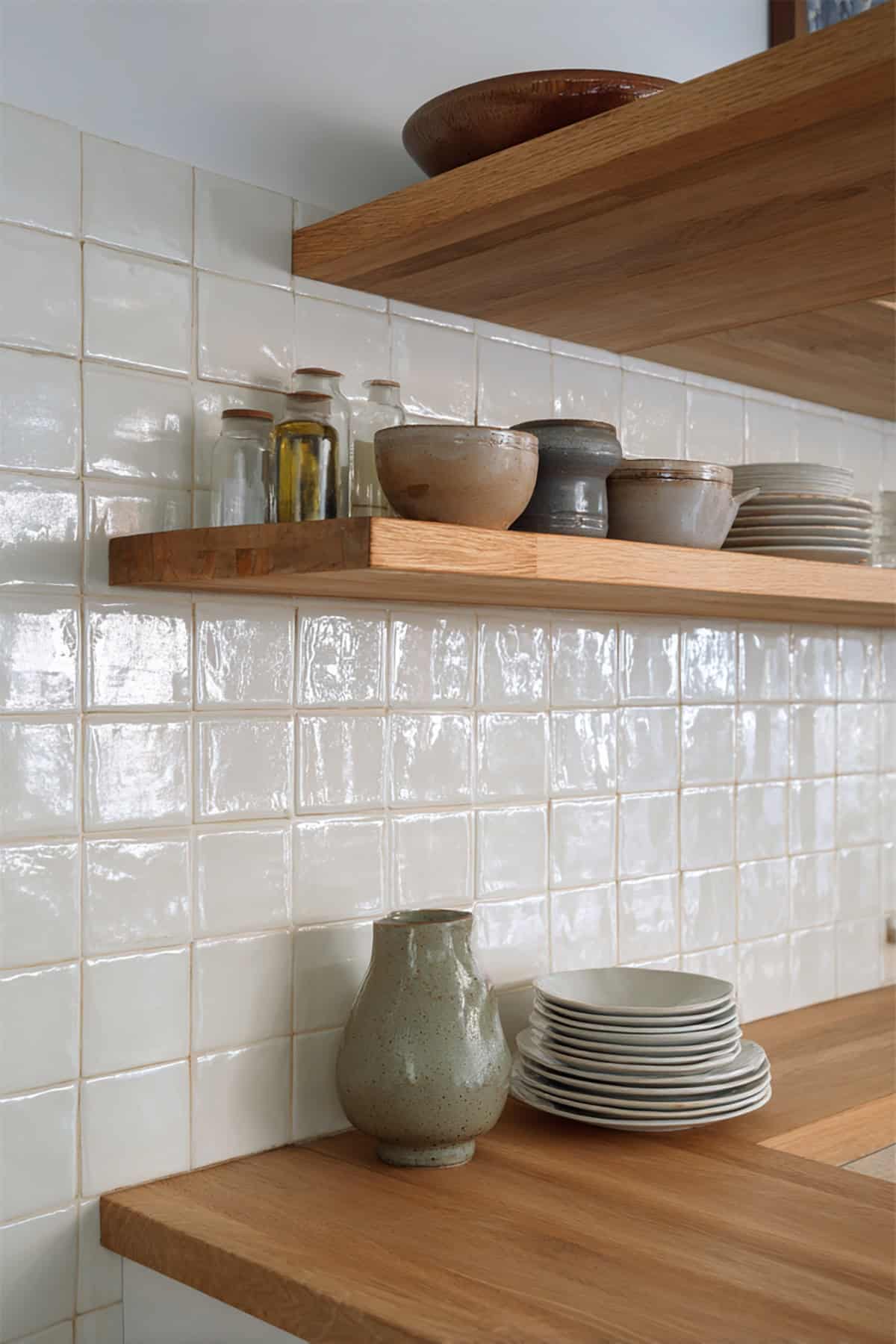
You don’t necessarily have to choose a different grout color to give your white tile the wow factor. Try using a matching color to avoid looking at the grout lines. Just like white paint color, you can use a different shade or tone of white for your grout, including cool whites, bright whites, creamy whites, and many others. The result will be a fresh and bright white look for a more traditional bathroom or kitchen.
There are, however, some disadvantages that come with using white grout with white tile. This color is more susceptible to discoloration or staining. Since grout is a porous material that attracts dirt, some people aren’t crazy about using white grout. Furthermore, white grout is more likely to turn yellow over time, especially if it’s used for tile flooring.
In this case, we recommend using it for white-tiled kitchen walls or laundry room walls only, as these areas aren’t likely to get wet. Using white tile with white grout will instantly brighten up your space, even if the grout lines need frequent refreshing to keep them bright and white.
Black
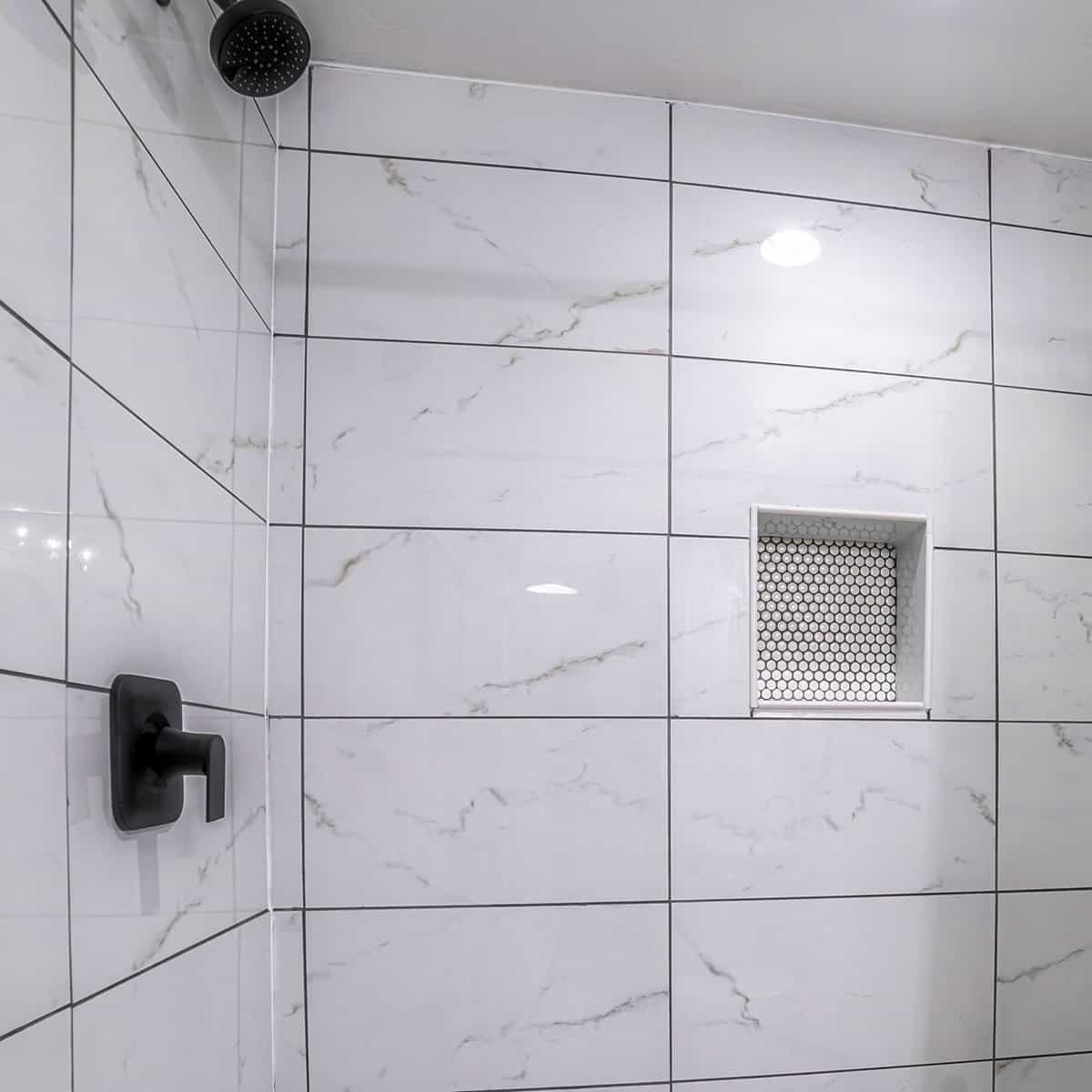
Black grout lines against white tiles give any space a contemporary feel. This color combination is ideal for highlighting patterned white tiles and works well for bathroom walls or kitchen backsplashes. By using black or charcoal gray grout with white tiles, you can create a striking contrast that works well in both kitchens and bathrooms.
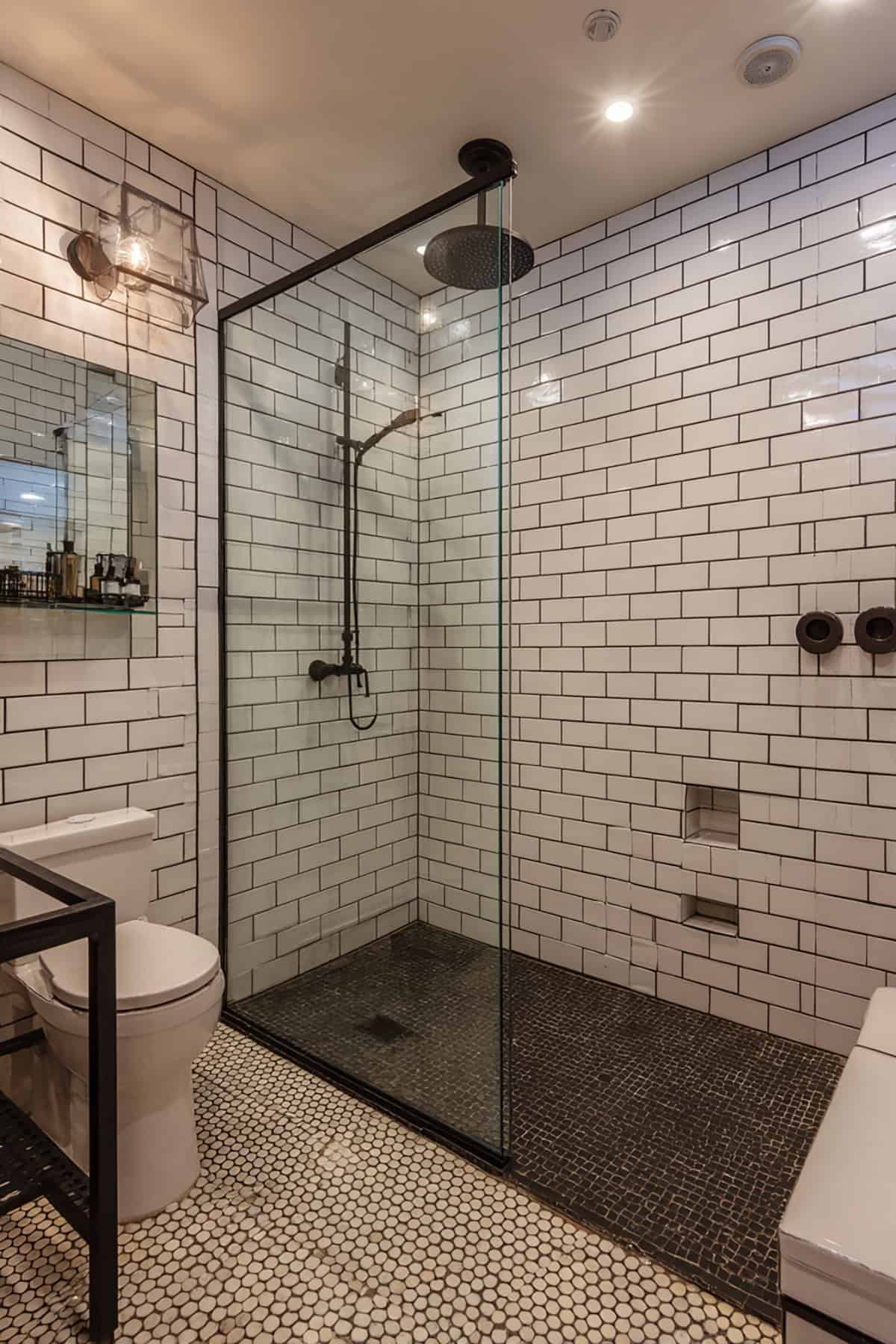
In fact, this bold choice can even be turned into a statement-making feature. Just picture your kitchen or bathroom’s white-tiled walls blending in seamlessly with black grout lines. And if you can’t envisage what your kitchen or bathroom will look like with black grout and white tiles, just take a look at this image. Black grout works particularly well with patterned white marble or subway tiles.
Multi-Colored
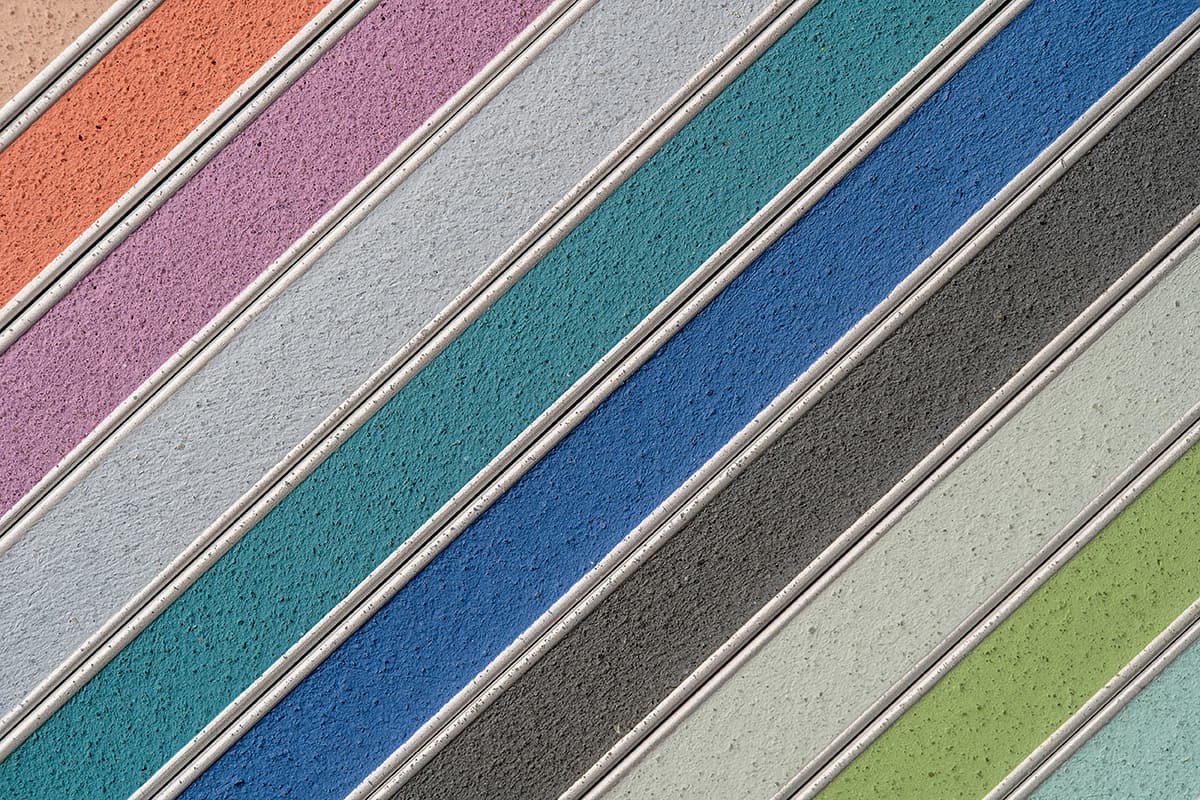
Using multi-colored grout for white tiles can instantly add a fun twist to your bathroom walls or kitchen backsplash. If you’re designing a dazzling shower room or children’s bathroom, you’ll agree that multi-colored or bright grout lines are a great way of enhancing an ordinary-looking white tile.
Bold and vibrant grout colors bring a graphic element to any space, so use unexpected colors like yellows, oranges, blues, and greens.
Red
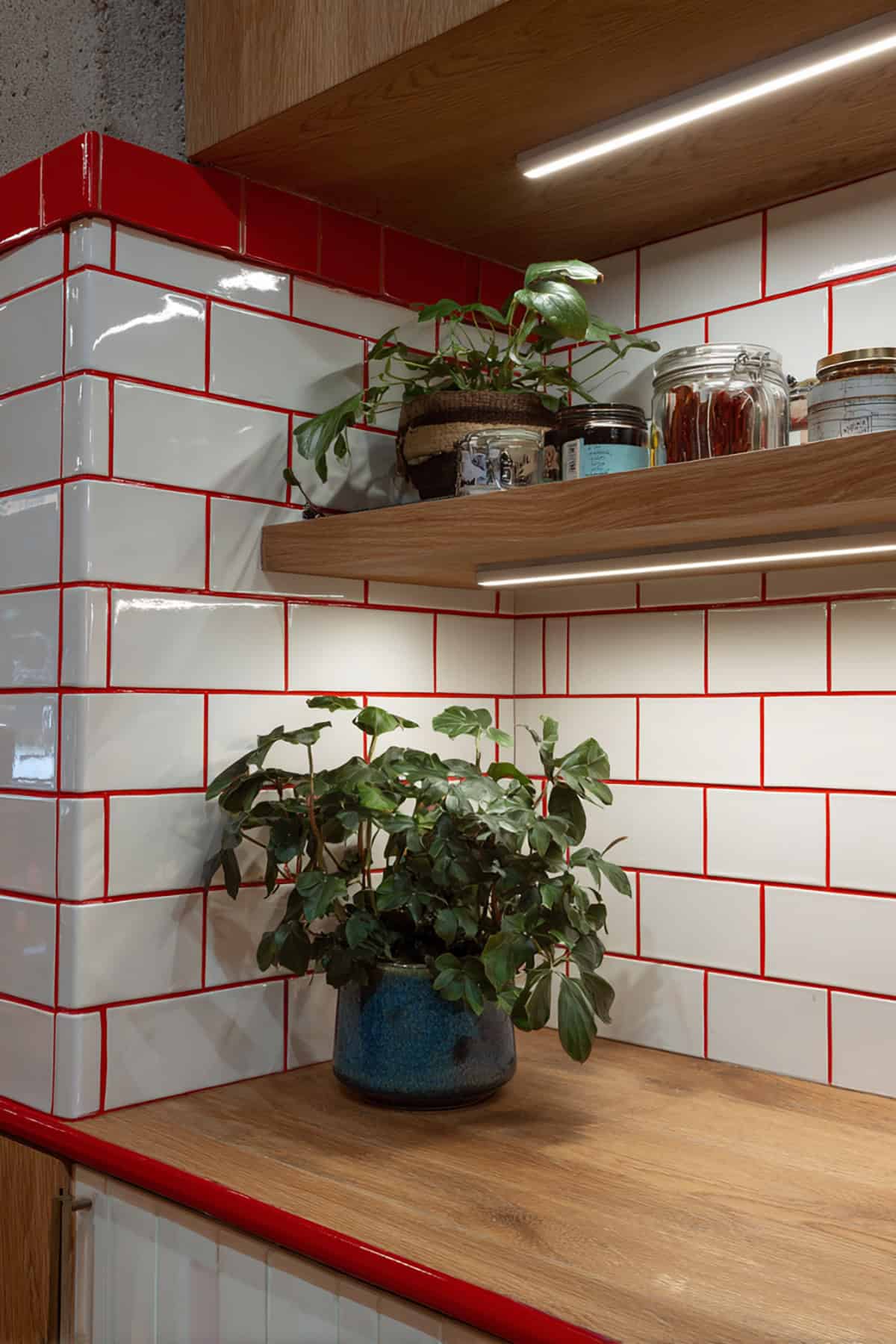
Red is another daring grout color to pair with white tiles, thanks to its eye-catching vibrance. Red grout instantly draws attention to the white tile’s shape or pattern, so if you want your bathroom or kitchen walls to stand out, this is the ideal color combination to use.
Beige
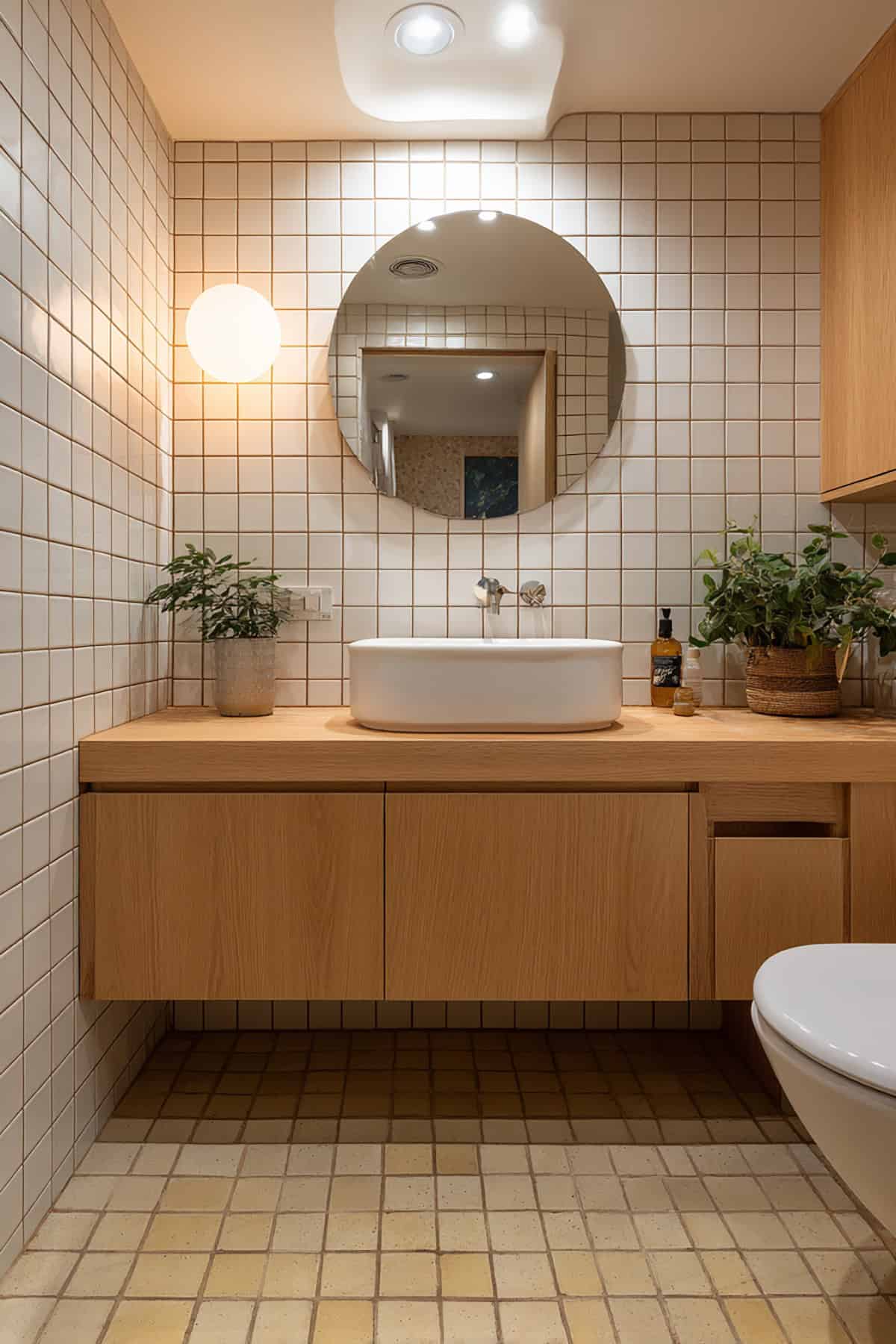
Choosing beige grout softens white tile without making it look dull. It’s a solid pick when you want a touch of warmth but still like the look of clean lines. Natural light tends to bring out gentle yellow or sandy hues, so the tile doesn’t end up feeling chilly.
In kitchens and bathrooms, beige does a better job than bright white at hiding dust and the daily mess. It blends in with stone counters, wood cabinets, and brushed metal—so you get a smooth, continuous look, not jarring contrast. That’s ideal if you lean traditional or transitional in your style.
Charcoal
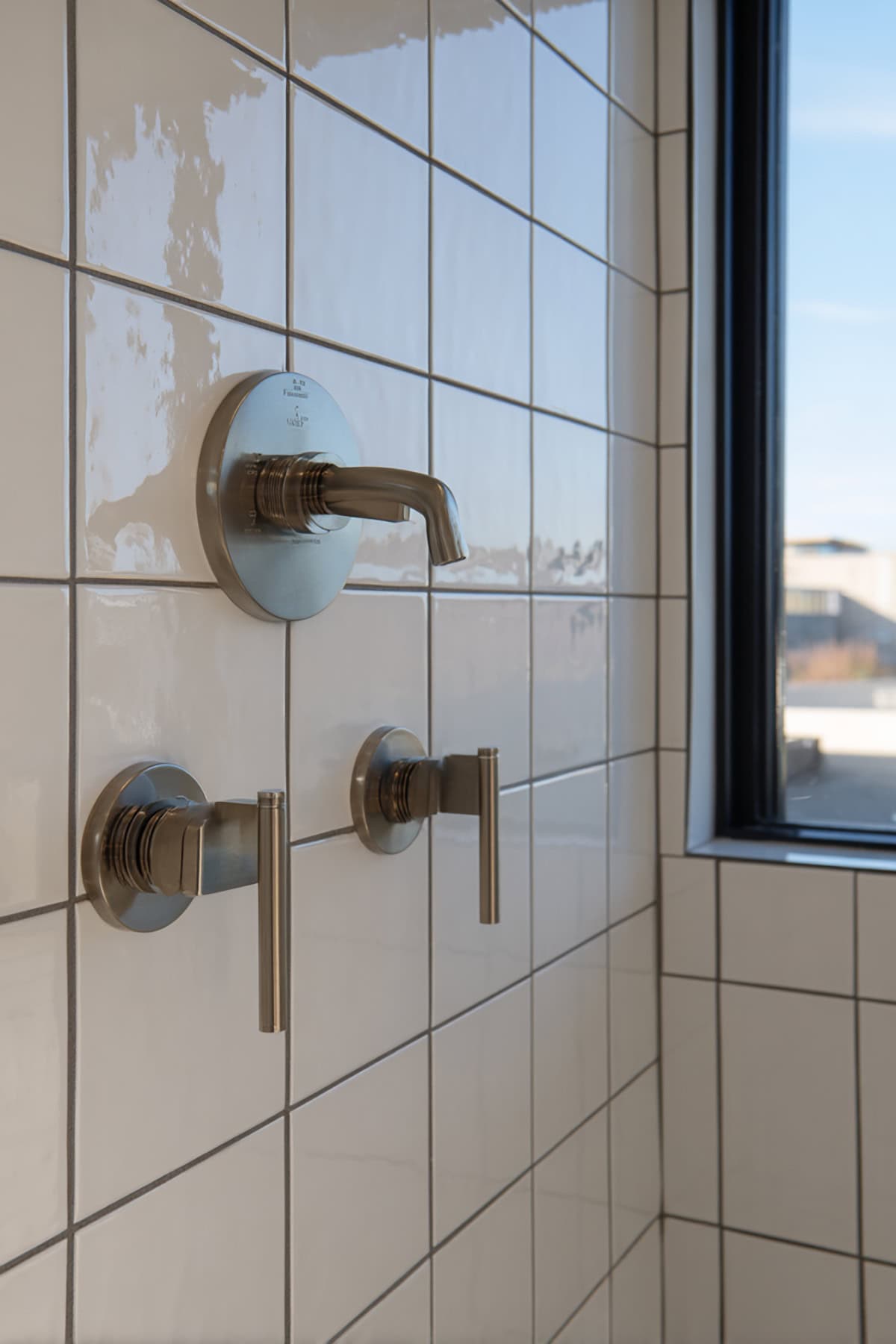
Going with dark gray grout gives white tile some serious definition. The lines pop, highlighting the shape and layout—especially with subway, stacked, or geometric patterns.
It’s also practical. Charcoal hides stains and discoloration way better than pale grout, so it’s a smart move if you want a bold grid effect that won’t look worn out after a while. Definitely a favorite for high-traffic spots.
Warm Taupe
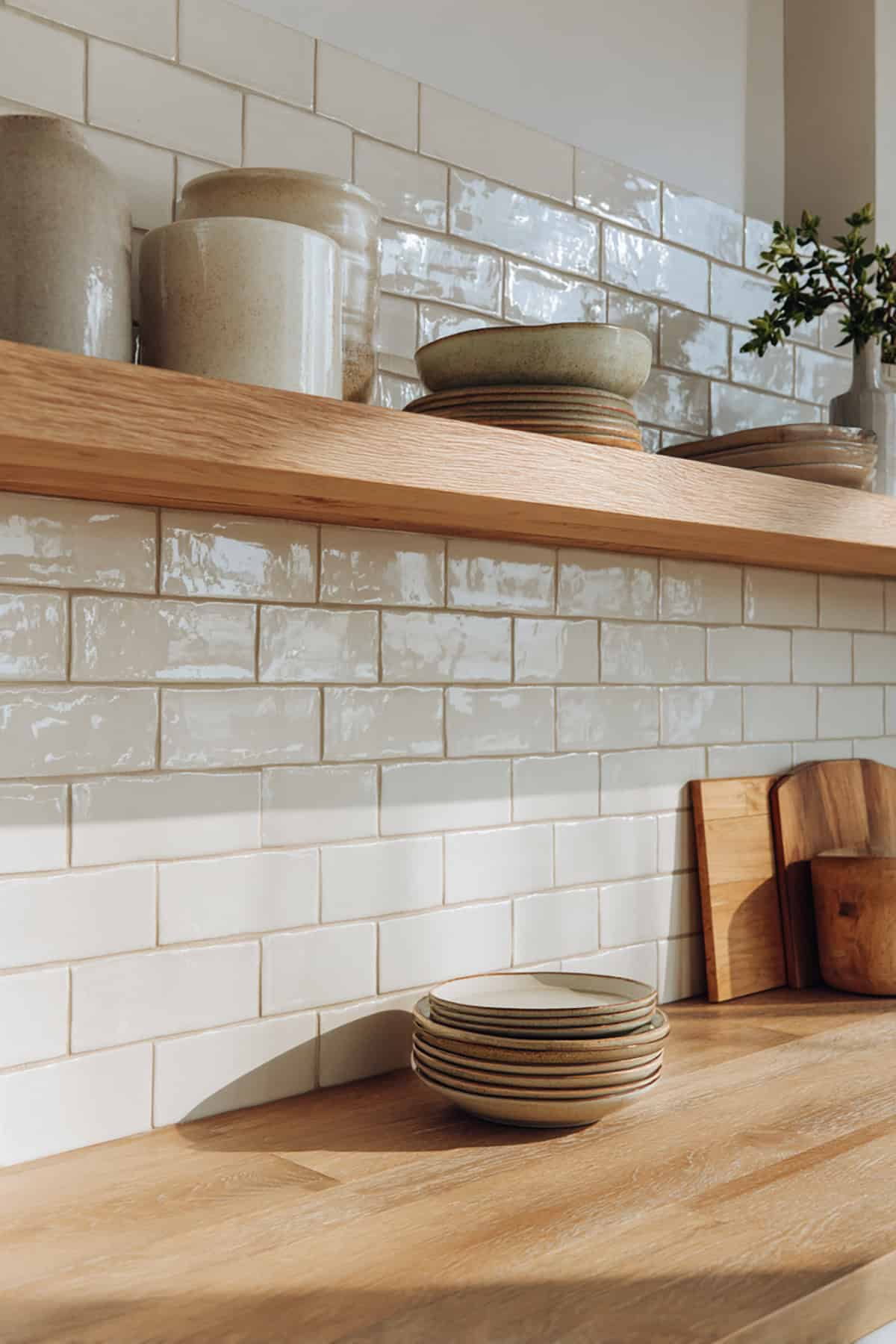
Taupe lands somewhere between gray and beige, so it’s versatile. The warmth keeps things from getting too stark, and the gray undertone keeps the vibe modern. That balance fits nicely in open, airy rooms.
This one’s easy to pair with stainless, matte black, or even soft brass. The grout kind of steps back, letting other finishes do their thing. The tile stays bright, but the whole surface just feels more settled and thought-out.
Soft Blue
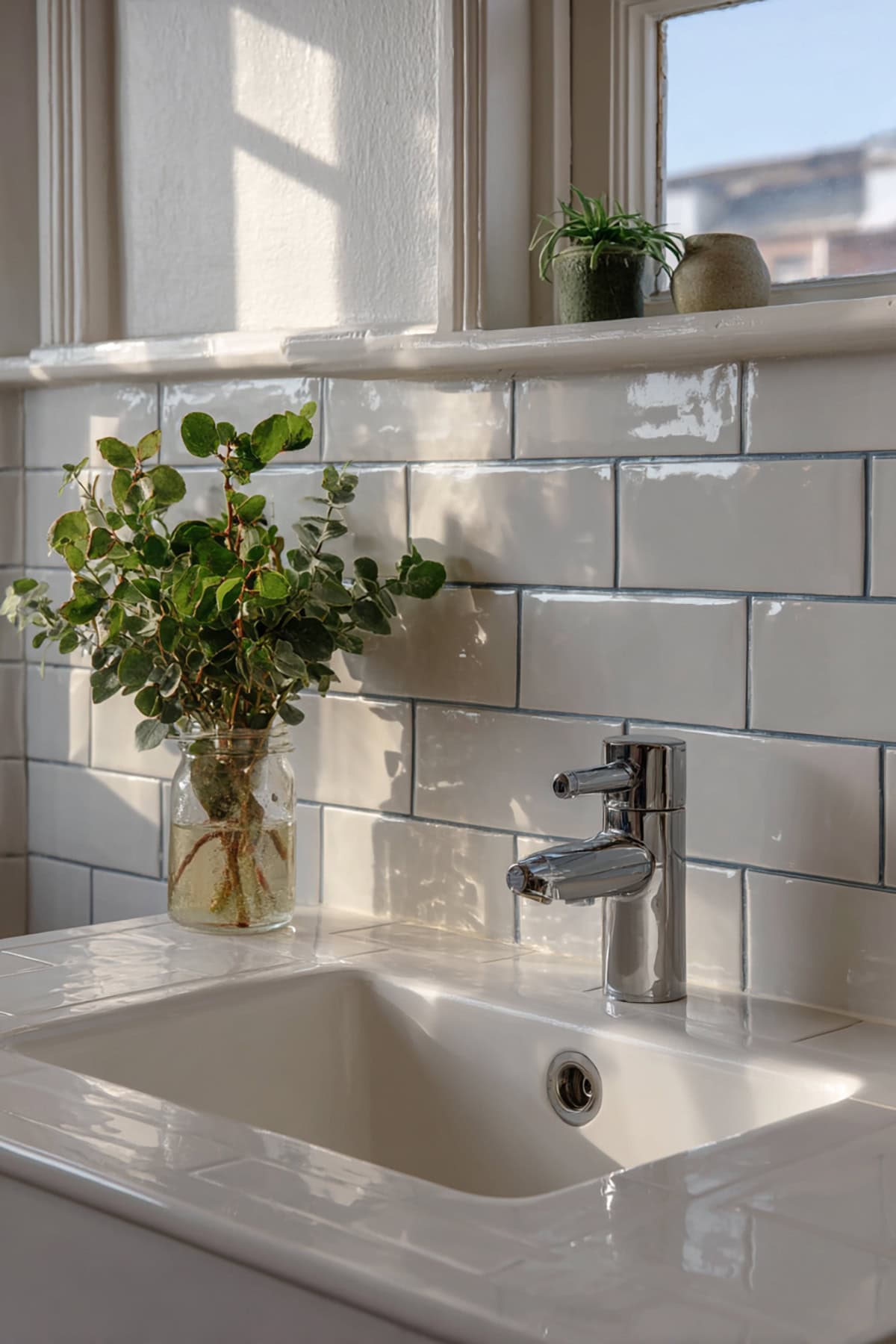
If you want a hint of color, pale blue grout gives white tile a gentle lift without stealing the show. When you keep the shade muted, it comes off as calm and tidy—great for bathrooms or laundry rooms.
Definitely test samples under your actual lighting, though. Artificial light can push blue toward gray or even green. When you land on the right soft tone, white tile picks up a bit of depth and a quiet break from all the neutrals.
Dark Brown
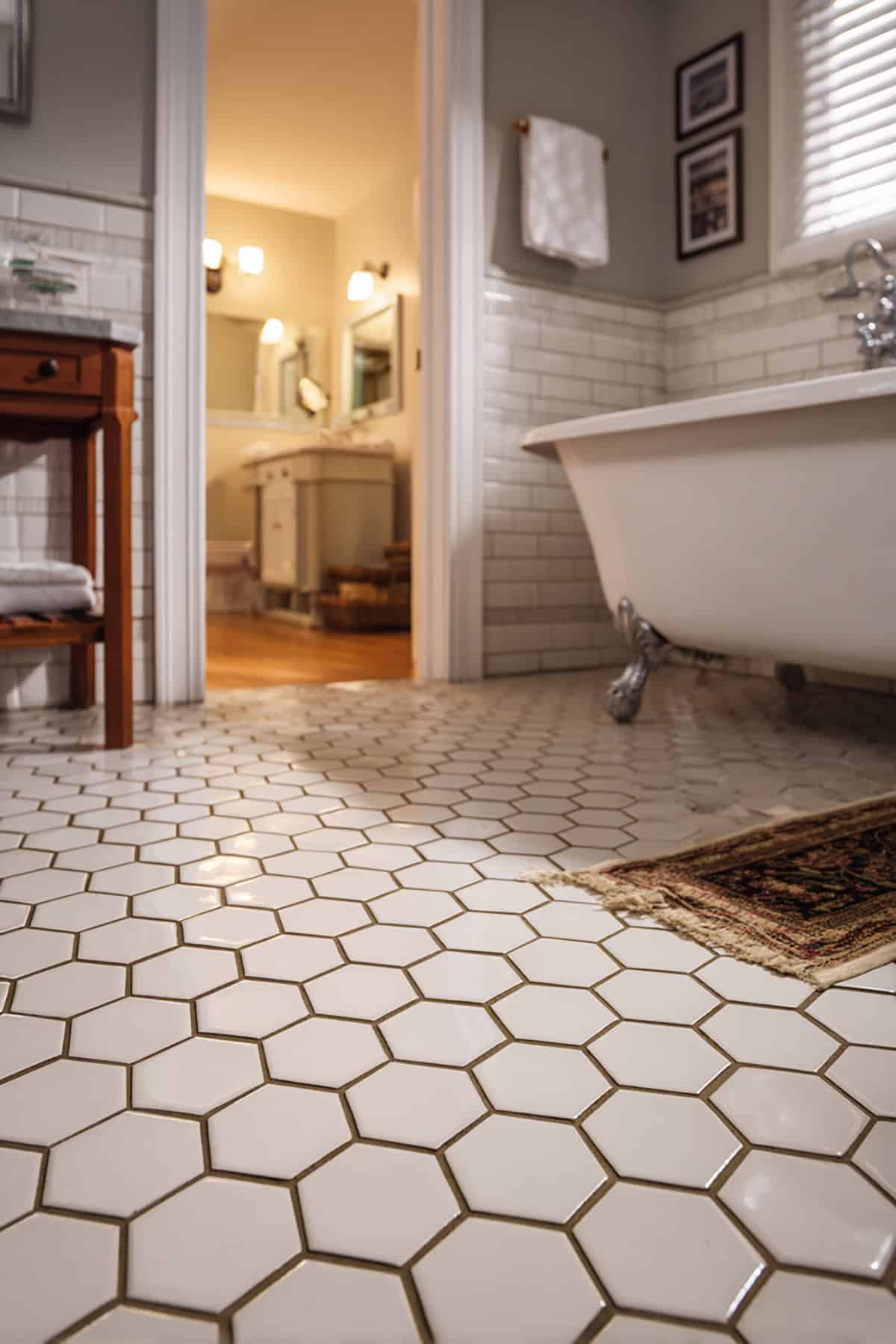
Deep brown grout brings a rich, grounded contrast to white tile. It just feels right for rustic, industrial, or earthy spaces—especially with wood floors or natural stone in the mix.
This shade does a decent job of hiding wear and moisture, and the outlines are bold without being as harsh as black. White tile takes on a warmer vibe, which can really help even out darker finishes around it.
Tips on Coordinating Grout Color with White Tile
Pay Attention to the Tile’s Shape and Pattern
Matching your white tile to the color of grout is a timeless look. But it’s not just the tile color you should pay attention to; the pattern and shape of the white tile will also be noticeable.
For example, a hexagonal white tile can look stunning with a bold grout color. If, on the other hand, your white tile has busy patterns, you don’t want to overwhelm it by choosing a contrasting grout color. Matching the grout line color with the patterned white tile is a good idea, as it will make the flaws and lines stand out without overpowering the tile.
Consider the Tile’s Location and Traffic Level
White tiles are mostly preferred for the kitchen backsplashes and shower walls. But that doesn’t mean you can’t use them as flooring. Before coordinating grout line colors with your white flooring tiles, consider the traffic level and location of your tile first. White floor tiles with light grout lines can undergo a lot of wear and tear, so they have a tendency to lose their color due to grime and dirt.
You’ll have to clean your white tile and grout more often. Instead, choose darker grout colors that are resistant to dirt or spills. In this case, black grout is the best choice.
In shower stalls, the white tile and grout can receive a lot of water, which can lead to mildew and discolor the grout over time. Again, avoid light grout like white or light gray, as it can discolor quicker than darker hues.
That said, white wall tiles and grout in kitchens and laundry rooms receive less wear, so you can choose any grout line color to pair with your white tiles. It is the flooring that you must take more care with when selecting the right grout color for the tile, as it is susceptible to more dirt or stains.
What is the Most Popular Grout Color for White Tile?
White tiles are a classic choice that never go out of style. But when it comes to deciding which grout color is the most popular to pair with white, it is often the darker hues that get the most votes. Darker grays and black offer visual interest and some contrast against bright white, so if you want to make a bold move, these are the most preferred grout colors to choose.
Darker grout lines serve as a frame for the tile by highlighting the pattern and shape of the white tile. When you choose a contrasting grout color, you can instantly turn your white tile into a statement piece, which won’t go unnoticed against a dramatic grout color.
Thanks to the neutrality of white, it works well with most grout colors and can easily contrast them – regardless of which colors you choose. If your white tile has variations or patterns, consider opting for a striking black or charcoal gray grout in order to highlight the bright white.
What Types of Grout are Best for Wall Tiles?
For most tiling projects, sanded grout will work fine. This is a type of grout with fine sand in it to help bind the compound together. For wall tiles, sanded grout makes the best choice and comes in various colors. The advantage of using sanded grout for wall tiles is its shrink-resistant qualities.
Unsanded grout, on the other hand, doesn’t have any sand in it and can only be used for shower walls. This delicate compound is best used for delicate tiles like marble or glass since it’s less likely to scratch the tile’s surface.
But if you’re looking for super-quality grout for your wall tiles, consider epoxy grout. It doesn’t require sealing, can withstand moisture, and is stain-resistant, among many other advantages. Whether your wall tiles are made of porcelain, marble or glass, this versatile type of grout is sure to last a lifetime.
Conclusion
When it comes to deciding which grout color goes with white tile, a handful of neutrals and bold hues can work for kitchen or bathroom walls and flooring. Lighter grout lines tend to show dirt more easily but can blend more seamlessly with the white tile. Darker colors, on the other hand, conceal stains while adding contrast to white tile.
For an eye-pleasing finish, you may want to match the grout color to your white tile by going with light gray or monochromatic white. Alternatively, a bold red or black will provide a beautiful contrast against white bathroom or kitchen wall tiles.