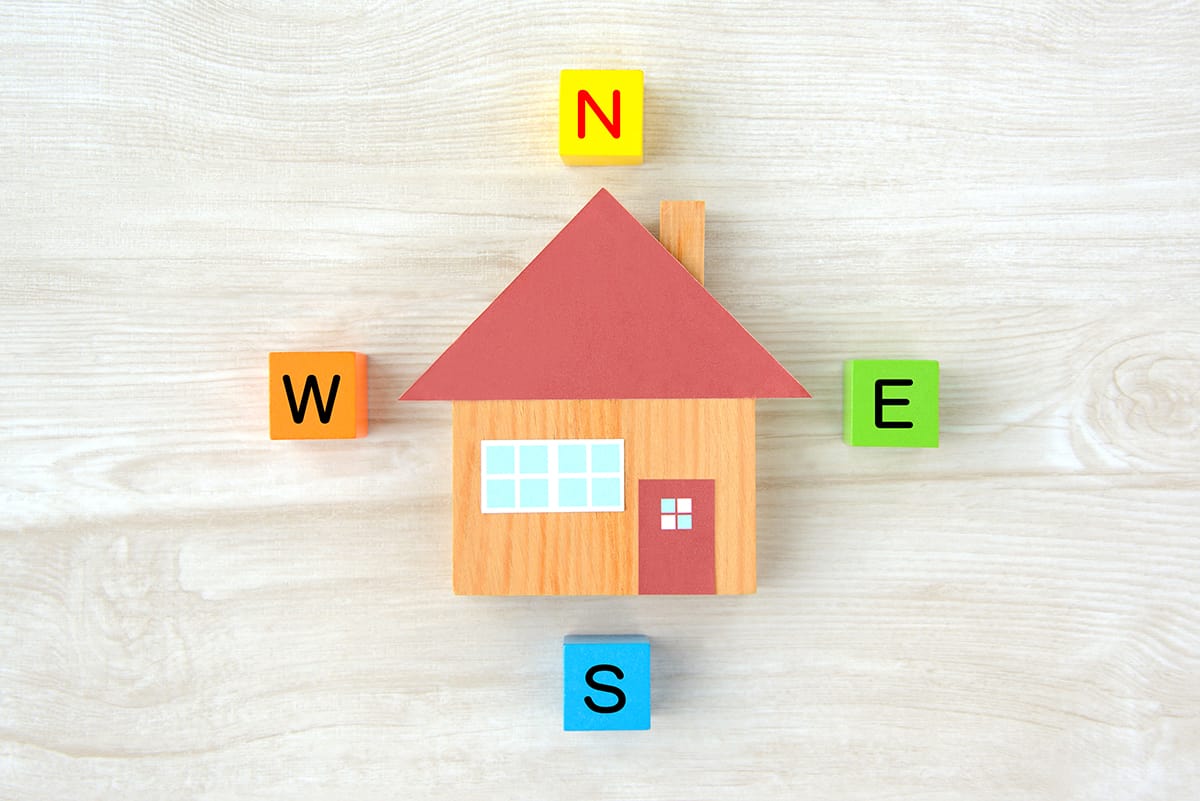
Whether you’re looking for a home to buy or planning to build a new house, one important factor you should consider is the direction that the house faces. Having a clear understanding of how the orientation of a house can affect the way you live will help you to make the most informed choice for your new home.
The direction a house faces will impact its energy efficiency, the climate within the home, the amount of natural light each room receives, and the types of views you can enjoy. All of these will contribute to your enjoyment, or lack of enjoyment, of the home.
While many people instinctively think that a south-facing home is the best choice because a southern orientation will mean the rooms at the front of the house remain bright all day long, this isn’t necessarily the best option for everyone. There are pros and cons to homes that face each direction, and we will explore here to help you decide which is the best direction for a house to face for your family.
Table of Contents
Optimal Direction for a House to Face
When choosing or building your dream home, the direction it faces plays a significant role. The ideal house orientation can maximize natural light, take advantage of beautiful views, and boost energy efficiency. However, each direction will have its pros and cons, which we will be discussed below.
North-Facing House
Benefits
Low energy consumption
In the Northern Hemisphere, these homes experience less sun exposure, keeping them naturally cooler in the warmer months. This aspect can result in lower air conditioning costs and energy consumption, ultimately leading to a more energy-efficient home.
Consistent lighting throughout the day
With sunlight streaming through the windows from the south side, the ambient light inside the house remains more uniform, particularly during the winter months.
Drawbacks
Might be cold and damp in a cold climate
The limited sunlight during colder periods might cause the house to become colder and damp, particularly if not well insulated or heated. As a result, heating costs could be higher for north-facing homes compared to those facing other directions.
Appear darker
In terms of aesthetics, north-facing properties have a tendency to appear darker, particularly in areas with little ambient light, such as basements or rooms without windows on the southern side. You might need to invest in additional lighting solutions to illuminate space, particularly if they rely on natural light for activities such as reading or working from home.
Not much direct sunlight in outdoor spaces and activities
With regards to outdoor living spaces, if a garden or patio area is situated on the north side of a property, it may not get as much direct sunlight throughout the day. This could affect plants’ growth and limit the amount of time homeowners are able to enjoy their outdoor spaces during the warmer months.
South-Facing House
Benefits
An abundance of natural light
The increased sunlight can lead to improved mood and overall well-being, boost the immune system, and promote balanced sleep-wake cycles
More energy-efficient in the wintertime.
The radiant heat from constant sunlight can contribute to a warmer indoor climate, reducing the need for continuous heating. This can result in lower energy bills and decreased environmental impact.
Have snow and ice melt more quickly due to increased sun exposure.
This can be particularly beneficial in areas with harsh winters.
Drawbacks
The temperature inside the house might become uncomfortably warm in the summer months. Therefore, a higher reliance on air conditioning systems might be necessary, increasing utility bills and energy consumption.
Privacy
In some cases, south-facing homes might be exposed to neighbors or passersby, as the orientation of the property might provide more visibility from the surrounding areas.
East-Facing House
An east-facing house has some unique characteristics that differentiate it from houses facing other directions. In this section, we will discuss the benefits and drawbacks of an east-facing house.
Benefits
Sunrise Views: One of the main advantages of east-facing houses is the privilege of witnessing beautiful sunrises. As the sun rises in the east, occupants of these homes can enjoy their morning coffee while watching the sunrise.
Natural Light: East-facing houses receive a good amount of natural light in the mornings. Rooms with large windows on the east side will be bright and inviting, which can enhance the mood and help reduce energy costs for lighting.
Energy Efficiency: When designed properly, an east-facing house can take advantage of the morning sunlight for passive solar heating, reducing the need for artificial heating during the cooler months.
Drawbacks
Afternoon Shade: While receiving ample sunlight in the morning is a benefit, east-facing houses tend to be darker and cooler in the afternoons. This might not be suitable for those who prefer consistent daylight throughout the day.
Heat Issues in Specific Climates: In regions where summer temperatures are quite high, an east-facing house may be less energy-efficient. The early morning sun can heat the house quickly, causing the air-conditioning to work harder.
West-Facing House
Benefits
Enjoy breathtaking sunsets on a daily basis.
As the sun sets in the west, homeowners with a west-facing house can take advantage of natural light throughout the afternoon and evening hours. This can create a warm and bright atmosphere in the living spaces.
Saving energy costs during the summer months.
As the sun moves across the sky during the day, west-facing homes will receive direct sunlight in the afternoon. This can make it easier to keep rooms cool in the morning, reducing the need for air conditioning.
Drawbacks
Increased energy consumption during the winter months.
As the sun sets earlier in the day, homeowners may need to rely on artificial lighting more frequently. This can lead to higher energy bills due to the increased use of lights and heating systems.
Not receive as much natural light in the morning.
This can make waking up and starting the day a bit more difficult, particularly for those who thrive in bright, sunny environments. Additionally, rooms in a west-facing house may become uncomfortably hot in the late afternoon, potentially making it harder to relax and unwind at the end of a busy day.
Vastu Shastra and Feng Shui Principles
Vastu Shastra Guidelines
Vastu Shastra is an ancient Indian architectural and design system that focuses on aligning buildings with nature and cosmic energies for a harmonious and prosperous living environment. According to Vastu principles, the most favorable directions for a house to face are East, North, and Northeast. However, simply facing your house in one of these directions isn’t enough. Other factors, such as the placement of underground tanks and the location of extensions or cuts, can also influence the prosperity and health of the residents.
Here are some tips to consider:
- For an east-facing or north-facing house, the main entrance door should be in the northeast direction.
- For a west-facing house, the entrance door should be in the northwest side.
- Design the kitchen and dining room area in the southeast corner of the house.
Feng Shui Tips
Feng Shui is an ancient Chinese system of arranging objects and spaces to harmonize the flow of energy, or chi, and optimize well-being. In Classical Feng Shui, expert practitioners use magnetic compass directions in their analysis of homes and buildings. This means your home may have a facing direction of north, east, south, west, or a sub-direction in between.
Here are some quick Feng Shui tips for determining the best-facing direction for your home:
- Try to balance the five elements (wood, fire, earth, metal, and water) within your home.
- Use harmonious colors and materials in your décor to promote a positive flow of energy.
- Pay attention to the placement of furniture and other objects to create a balanced and welcoming space.
How Can House Orientation Affect Your Life?
Climate control
One of the most significant ways that the way a house faces will affect your livability in the home is the way it can alter the indoor temperature. If you experience very hot summers, then think about which rooms are going to be in direct sunlight at certain points of the day, and how this coincides with your lifestyle.
For example, the sun rises in the east, which means if your home is east facing then it is going to be bright and warm in the front rooms of your house during the morning. This might work well if your kitchen is at the front of the property, giving your a nice bright spot to start the day and enjoy breakfast.
However, if your home office is at the front of the property and you work from home in the mornings, then you might find the space gets too hot to be used without turning on the air conditioning unit.
If you live in a cold climate and most of your family are at work or at school during the day, then a west-facing home will work well because the sun will warm up the front of your house in the afternoon, making it a warm and cozy space to enjoy when you get home.
Energy efficiency
The energy efficiency of your home can be impacted by the aspect it faces. If the sun is on the common areas of the home for much of the day then this is great news during the winter because the sun will help to warm those rooms so that you don’t need to have the heating turned up to full.
Conversely, in the summer months, you may find that having the sun shining onto your living room makes it unbearably hot, therefore, your air conditioning unit will have to work even harder to keep the space cool.
By considering which rooms are going to be kept warm by the sun, bearing in mind which direction the sun rises and sets in, you can improve the energy efficiency of your home to reduce your carbon footprint and lower your power bills.
Natural light
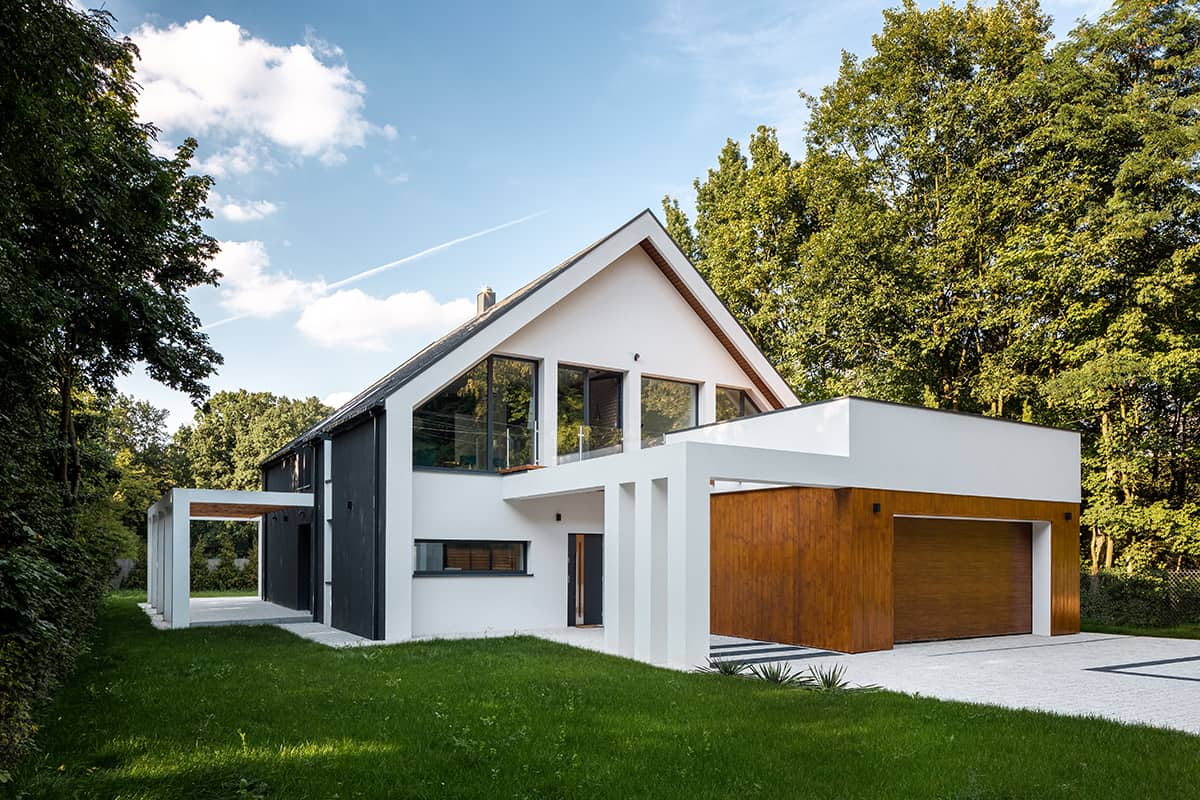
The amount of natural light a room gets has a huge influence on its feel and also how practical it is. For example, a room that you work in will need to be well-lit when it is in use. A good amount of natural light will minimize the amount of time you need to use artificial light.
A kitchen needs to be well-lit so that you don’t make any dangerous mistakes when preparing food, and a home office will need good natural light so that you don’t strain your eyes looking at a computer screen.
By comparison, bedrooms usually don’t need a lot of light because they don’t get much use during the day, and media rooms also don’t need much daylight because they work best when they have a dark and cozy feel.
By understanding this, you can plan your house in a way that ensures certain rooms get more light. Rooms that have south-facing windows will get natural light for most of the day, while those which are north facing will be considerably darker.
Home Decor
The amount of natural light a room receives is likely to affect the way you decorate it. This is because different paint colors will appear slightly different in various types of light, and the overall atmosphere of the room will be dictated to some extent by the light it gets. Rooms which have south-facing windows will be bright for most of the day.
You can capitalize on this by painting the walls white, as this will reflect the light and create a room that feels spacious and airy. You could also paint the room in a dark color without the concern that it’s going to feel too dim and dingy.
A north-facing room is going to receive much less light, and as a result, it can feel dark and cold, especially if painted in cool colors. Instead, a north-facing room will feel more comfortable when painted in a soft, warm shade, such as beige.
East-facing rooms will get good light early in the day but be darker in the afternoon and evening, while west-facing rooms are the exact opposite, with the sun towards the end of the day and shade in the morning. These types of rooms can be painted in cool or warm shades depending on the atmosphere you want to achieve and the times of day those rooms will be most heavily used.
Views
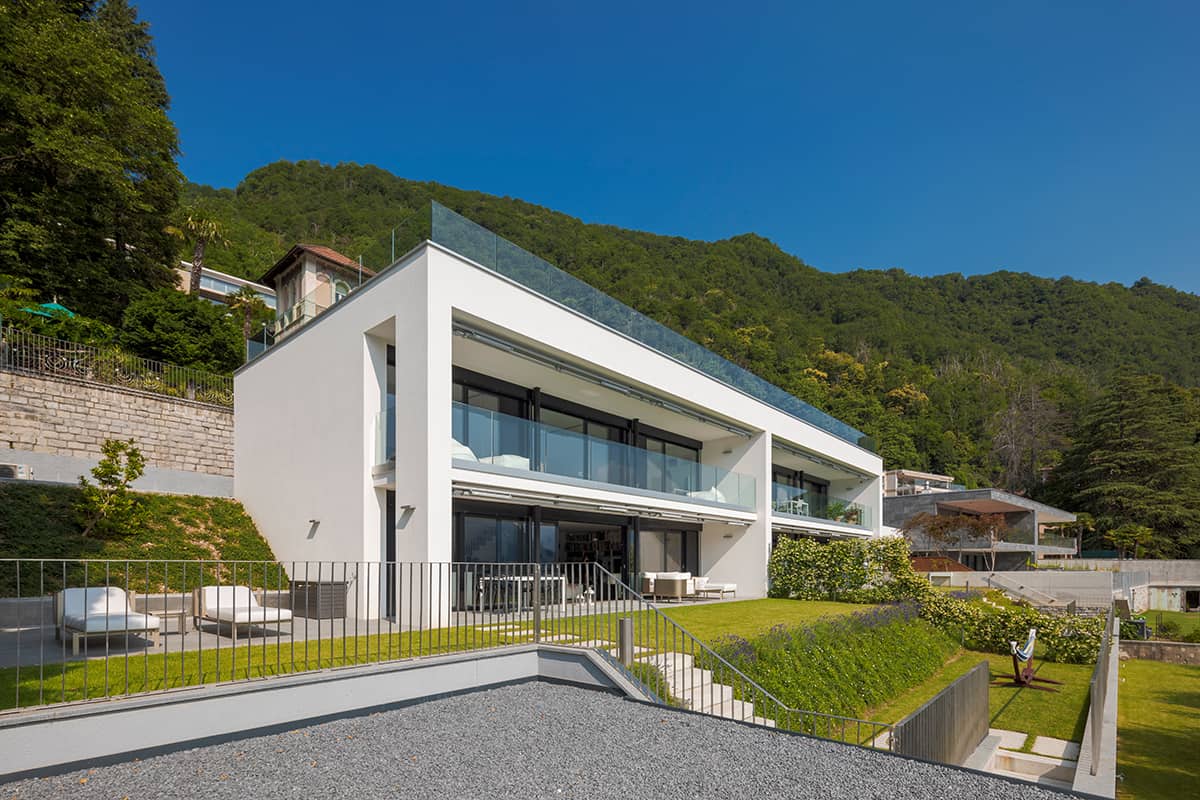
If you want to enjoy the views from your windows, you might also want to think about how the direction the house faces can affect these views.
If you want to be able to watch the sunrise from your living room, then your living room will need to be on the side of your home the faces toward the east. If you are a fan of watching sunsets from your bedroom window, your bedroom will need to face towards the west.
Ventilation
If you’re looking at buying a property close to the coast or in an area that is known for strong winds, you can make the most of this by positioning a house in a way that will allow the breeze to pass through the windows for improved ventilation.
In this case, rooms that you want to benefit from the breeze should face towards the ocean, and any rooms that you’d prefer to be kept sheltered should have windows facing away from the ocean.
Nearby structures or trees
When planning which direction a home should face, you’ll want to take in the specifics of the local area. For example, a south-facing window might sound great in theory, but if there is an apartment building across the street blocking out most of your natural light, then the south-facing window isn’t going to make much difference.
Take into account the effect of nearby trees, buildings, and other structures that might interfere with how your home benefits from facing in a certain direction.
Impact on garden
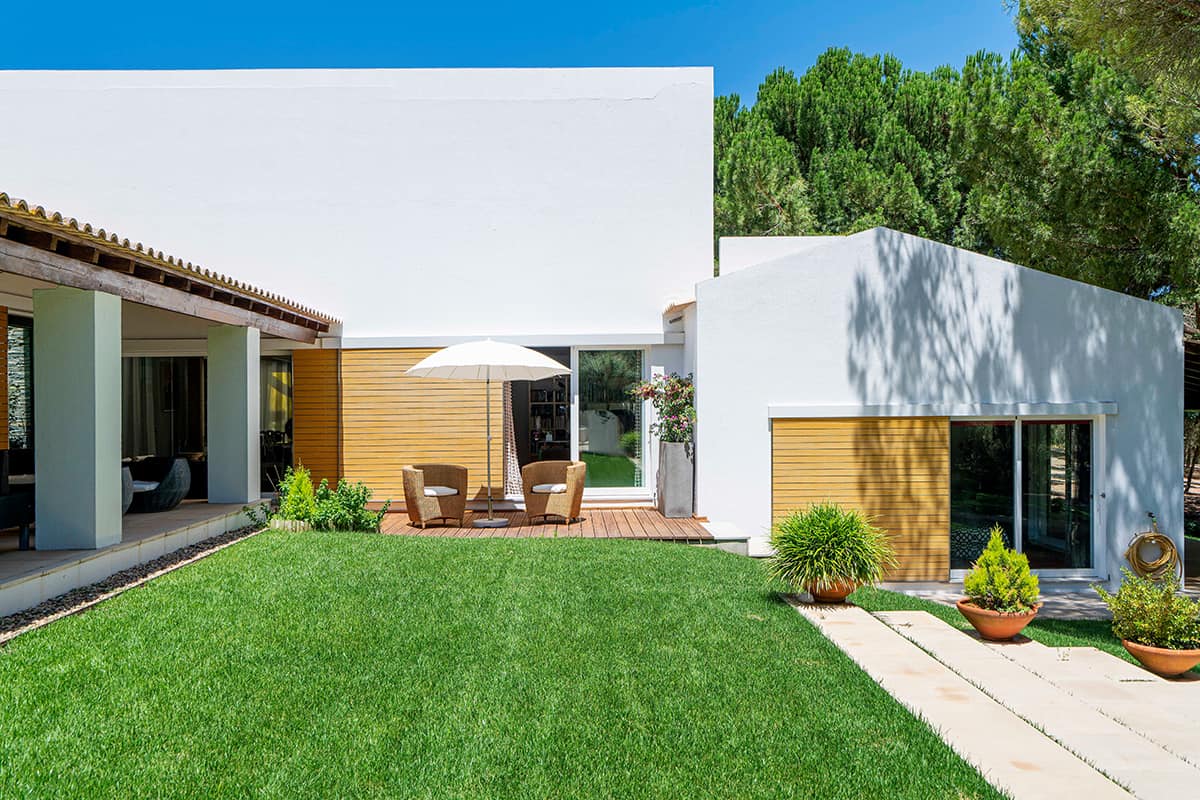
Any real estate agent will tell you that one of the things at the top of a homebuyer’s wishlist is a south facing garden. The reason for this is that a south-facing garden will get the sun all day long, making it perfect for enjoying a coffee outside at breakfast time or a glass of wine outside in the evening.
When the sun is on a garden throughout the day, the garden will be warmer and well suited to spending time outdoors, even in the cooler months. A south-facing garden will also be great for the many plants that thrive in full sun, making for a garden that is lush and abundant with flowers.
It’s worth noting, however, that if your south-facing garden is at the back of your house, then this means the rooms at the front of your house will be north facing.
This might be great if you live in a hot region and want the front rooms of your home shaded for a cooler and more comfortable temperature, or in a cool region, having north-facing front rooms could mean you have to turn the heating on more than you would like.
Energy flow
If you follow the principles of Feng Shui, then the direction your house faces can impact the flow of energy. Feng Shui recommends that houses should be facing towards the east or southeast because this is considered ideal for promoting energy flow and attracting positive energy.
It is best to avoid purchasing a home that is facing the west or southwest because Feng Shui followers believe that this will create a stagnant energy that can have a negative influence on your well-being.